

Giving Brisbane the Central spotlight
Giving Brisbane the Central spotlight

Share
Jared Webb founded J.AR Office just a few years ago, but late last year picked up three awards at November’s IDEA gala, including both Emerging Designer and Overall Project – an extraordinary achievement for any fledgling practice.
After nearly a quarter of a century of IDEA, Australia’s premier interior design awards program can still throw up the unexpected. And this was certainly the case for IDEA 2025, when the winner of the Emerging Designer category (sponsored by ForestOne) also picked up the Hospitality award (sponsored by Laufen) and, most impressively of all, the Overall Project prize (sponsored by Miele). Talk about starting as you mean to go on!
There’s something to be said for starting small – the only way is up, after all – but surely announcing yourself and your team’s capabilities right out of the starting gate with big wins like this is a fantastic way to establish yourself in the interior design industry.
The designer responsible is Jared Webb, founder and architect at J.AR Office, who founded the practice in 2022 after a decade at Richards and Spence. To be fair, though, J.AR’s success at IDEA 2025 wasn’t totally unprecedented. In its short lifespan, the practice has already gathered a shelf’s worth of accolades, including a previous IDEA gong – the 2024 Hospitality award for Gerard’s.
It’s clear all this recognition hasn’t gone to Webb’s head, however. His first comment regarding the Overall Project win is: “It was so out of the box. I was surprised with the first two and so thankful. But that combo, it took a while to sink in, but yes, in hindsight I see that it’s a unique combination.”
With a laugh, he adds, “I felt this could be peaking way too early!”
Central restaurant
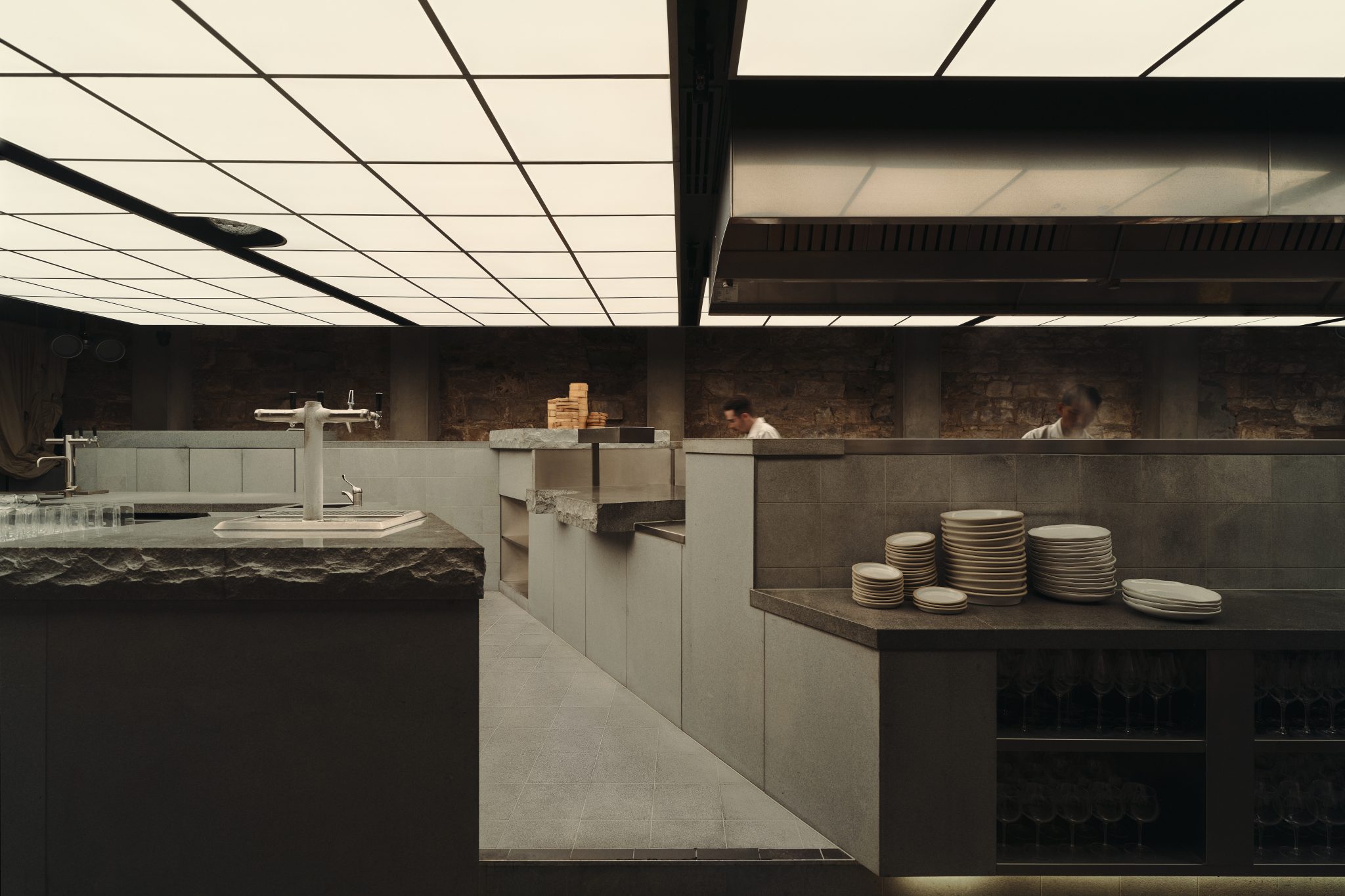
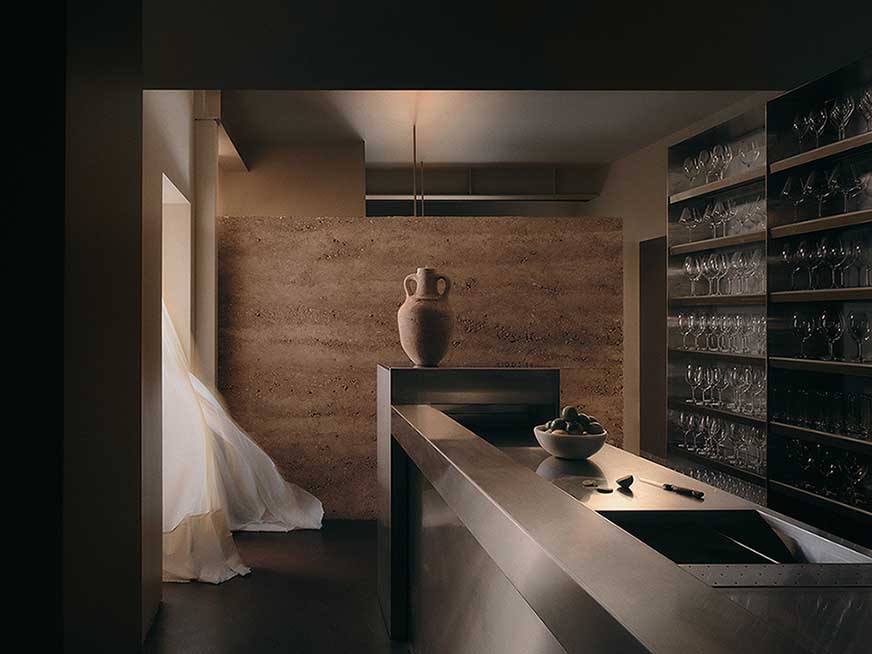
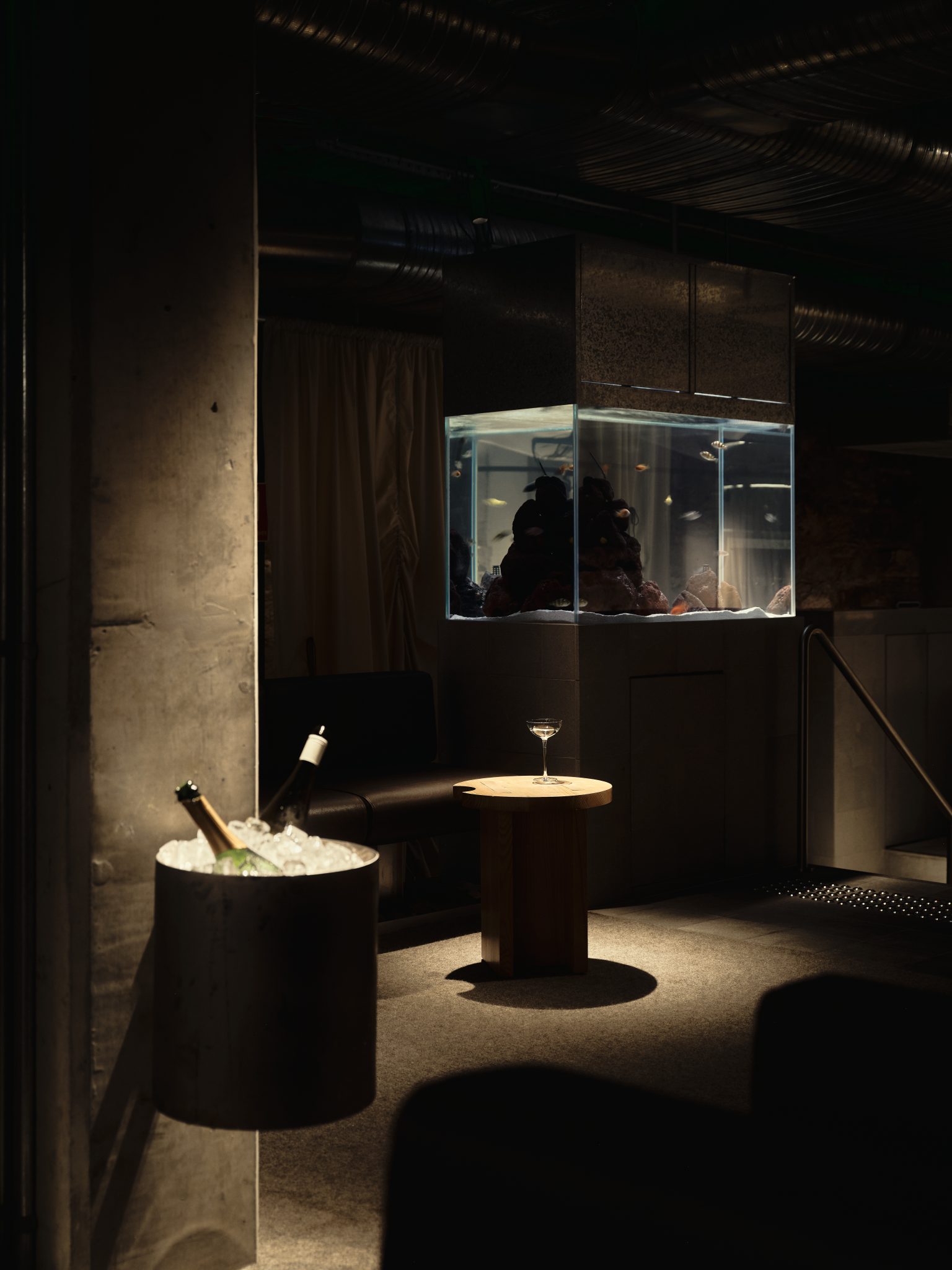
The project that caught the judges’ eyes so profoundly was Central, a Cantonese restaurant located in the Brisbane CBD.
It’s a project that unfolded remarkably quickly, says Webb, with the vision for it becoming immediately apparent. “We designed, documented and had built the project within seven months. As soon as I saw the space, it just dawned on me what we should try and do. It was this underground long, thin, ‘no natural light’ basement.
“At first I thought, ‘OK, we’re going to have to make our own fun here to get this to work.’ And it became a really experience-driven concept. I think the reason it resonates with so many people is that it really is like a stage show – putting the chef on display and the making of food as the hero.”
The clients’ brief gave the design team plenty of free rein, he adds. “We want to do an underground dumpling bar,” he says, quoting the clients. “We want it to be moody. We want people to hang around and drink. The food still needs to be the hero. It needs to always feel like a restaurant before a bar. But we want people to be able to hang around and keep drinking as the lights get dimmer or the disco ball drops or the DJ comes on. It should take each patron on a bit of a journey.”
Is that why Webb thinks it had such an impact with the IDEA judges? Yes, but it was more than that. “It’s so layered in its local and cultural heritage with those cues and overlays,” he adds.
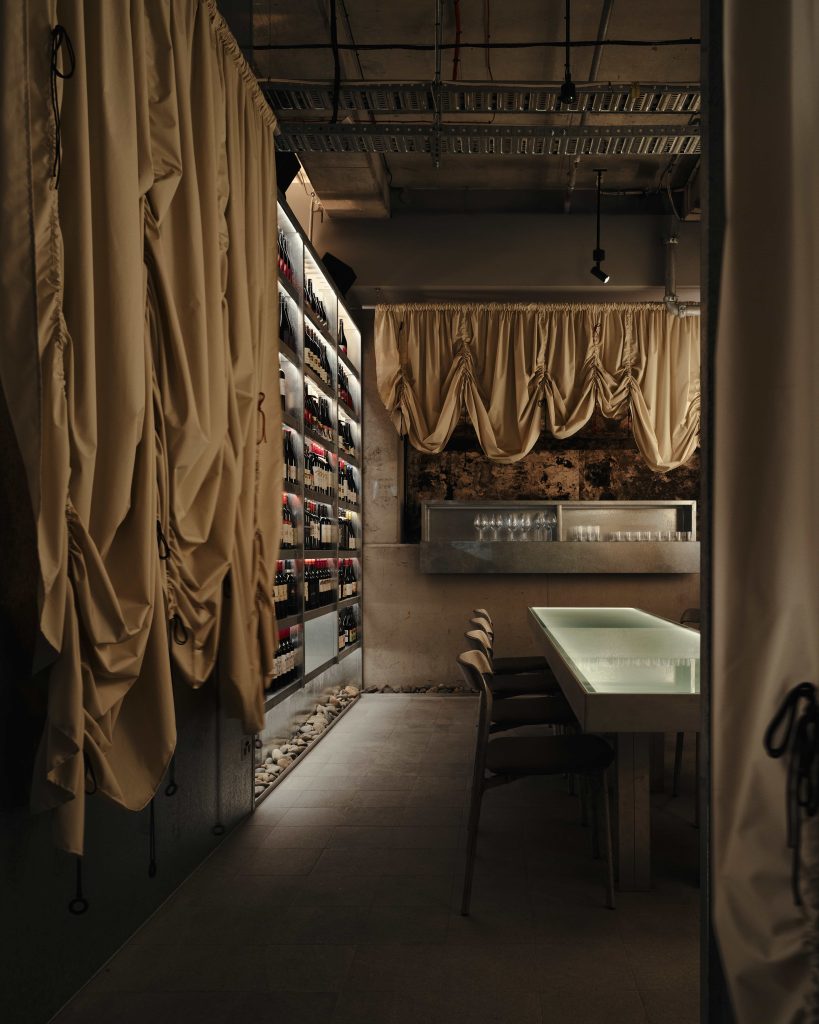
“The furniture and the floor are an extension of the footpath on the street in Brisbane. The viewing proportions for the kitchen are the same from the seating area as a Cantonese opera stage, referencing back to the cuisine,” he explains.
“The ceiling grid references the office tower above and the curtains are made from the same fabric that scaffold mesh is made of in Hong Kong. So there are all these indirect references that I think make the story of the project richer.”
Built-in flexibility
For Webb, the venue’s adaptability is also important. “It’s about a restaurant that is multimodal and can go from a nice quiet, humble dinner to a dance floor if it wants to. It’s about building that ingrained flexibility into the project, so that the operator can pivot at any point… I think that’s perhaps why it resonates.”
Above all, though, the designer is conscious of location, and is clearly keen to be highlighting his state’s design talent on the national stage. “I think it’s significant just for Brisbane to have a venue that is trying to push the boundary of late night entertainment and dining,” he says. “Another thing that everyone keeps saying is, ‘Oh, I can’t believe that it feels like you’re not in Brisbane.’ I get told that repeatedly. And it goes back to that mentality that everyone still thinks that Brisbane is this underdog type city that isn’t worthy of a certain calibre of venue or design as such.”
He adds, “With J.AR Office, the underlying determination for us is changing that status quo and contributing to a city that makes it more liveable at the same time.”
Emerging rapidly
As they say, success breeds success, and the acclaim received for Gerard’s and now Central means that J.AR Office is already benefiting from the trust and confidence that clients are placing in the studio. “It definitely gives them a lot of comfort having already seen other venues that we’ve completed. Gerard’s was our first commercial venue. To be asked by the [Gerard’s co-founder] Moubarak team, to reinterpret this new era for them… was really exciting and daunting at the same time.
“Off the back of that, we’ve had quite a few opportunities to do venues, and that project set the tone and the quality of what J.AR Office strives to achieve. So it’s attracted new clients and new opportunities, but it’s also subtly defined what the practice is about.”
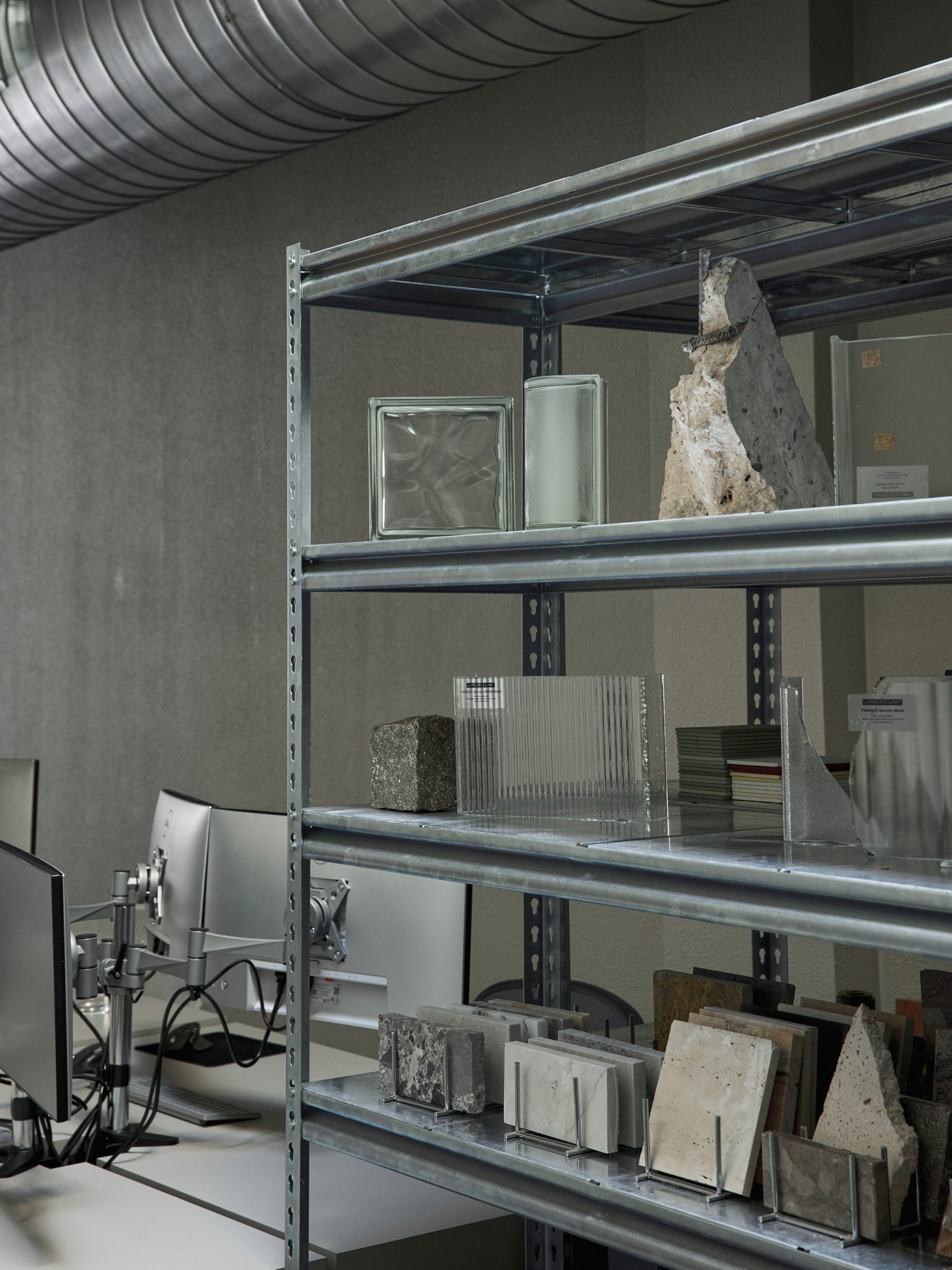
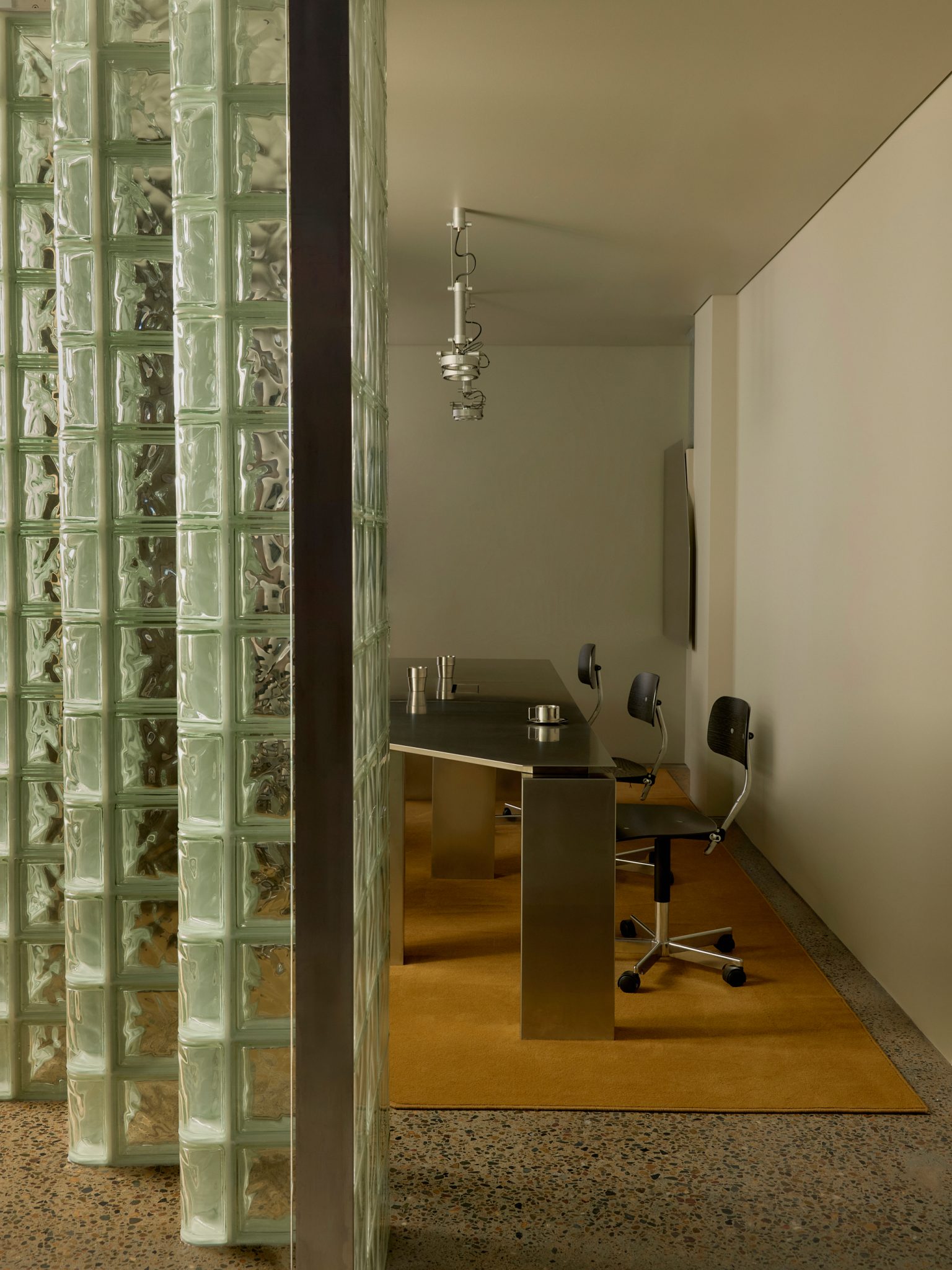
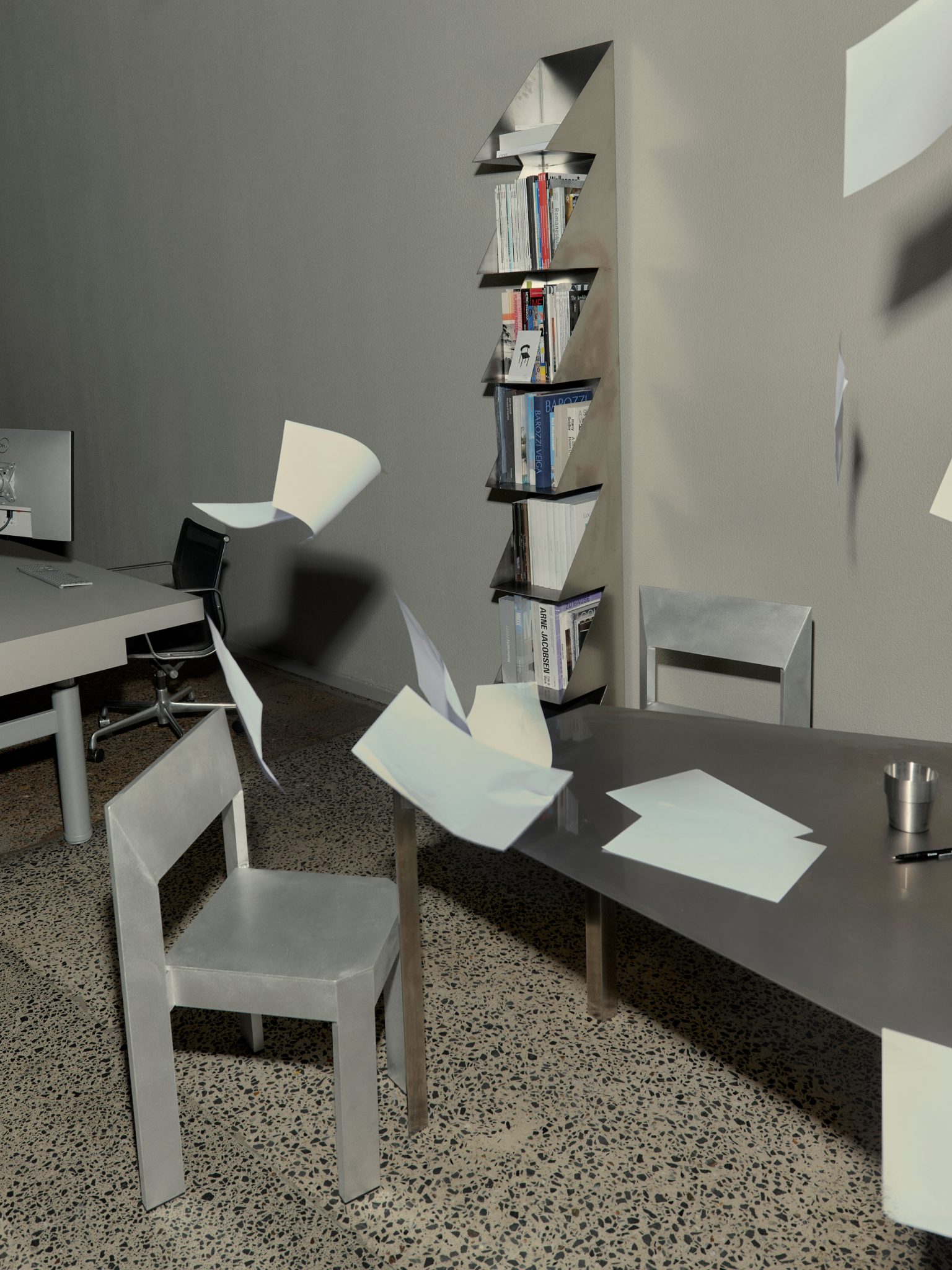
With the list of projects expanding, the practice is doing the same. “We just moved into a new office that we designed and had built. So, that was very exciting,” says Webb. “We literally outgrew our previous little studio. We’re in a little 60-square metre space with the six of us and we share it with our friend, David Chatfield, who photographed Central. And this feels quite grown up now. We actually have two offices.”
A team of four to five are on the Gold Coast and there are eight in the Brisbane office. “So that has escalated,” says Webb, “and it’s due to having many exciting opportunities come our way and just grabbing them and having the mindset of ‘I can get this to work’.”
Daunting, but no looking back
While it certainly appears as if Webb’s leap of faith in founding J.AR Office is paying off handsomely, he has had moments of pause, he says. “Look, for the first year or so, you do wonder, because it’s just so much uncharted territory.”
That said, he has had “no regrets at all” and is quick to give credit where it’s due. “I’ve been lucky to draw upon lots of advice from peers along the way to assist with this huge growth that we’ve had. Because I feel like we’re still doing this and most studios at some point need to do a bit of this and flatline.”
As is so often the case, the practical components aren’t the issue – it’s the business side of running a practice that takes a bit of getting one’s head around. “Having experience working across large-scale commercial projects [assisted]. I did multiple venues in my previous role as well. So the architecture and the design weren’t a concern for me. I knew that we would be able to do that,” says Webb. “It’s the manpower and servicing and the rigour of running a practice that is the grey space, right? I went to university to study architecture, not business, not HR, not accounting!”
He adds, “It’s been the hardest and probably the best thing I’ve done. It’s such a huge [element] and it doesn’t have the air time that I think it should in a way. It’s also a different kettle of fish when you are going into a predominantly commercial realm versus residential architecture or interiors.”
Despite this, Webb hasn’t brought in any business experts over the last three years. “I’ve winged it, I guess you could say,” he says, but adds, “what’s really exciting is that I still have all my original staff after this. They’ve been with me for obviously only a couple years now, but they’ve been a part of the growth with me and I consider my team have become friends along the way. So I think it’s also about internally, within the practice, not necessarily fostering this hierarchical position. It’s about, ‘I’m also learning along the way with you guys about how to run this practice, and what’s best for yourselves and myself so that we can all work together’.
He continues, “I have tried to just be real with all of them about the growing pains, while also giving them the reassurance that their pay cheque at the end of the day is my number one priority to ensure everyone can just live their best life.”
Webb may claim to have no regrets about launching his own studio, but that’s not strictly true. “There are definitely things I would probably change along the way,” he notes. “I probably wouldn’t have gone so hard so soon. That’s caused a lot of increased stress, but you get addicted to the pace.”
Brisbane for the win
But to return to where we came in… overall it sounds as if the highs are definitely outweighing the lows, if for no other reason than J.AR’s fabulous success at IDEA 2025 puts the spotlight so firmly on his home town.

“I was incredibly grateful and completely shocked [to win],” he says, “especially given the calibre of the other entrants across all of [the categories]. [Winning] the Overall Project is just ridiculous in my opinion, but I’m so humbled by that. If anything I’m excited that it’s a bit of a win or an up for Brisbane.
“I hope it encourages more people –especially in the design industry – to come up here and check out what’s going on, because I’m not the only one doing great things.”
Top image: Jessie Prince

© Niche Media 2026