

Designing for care: the HDR health planners shaping hospitals that heal and endure
Designing for care: the HDR health planners shaping hospitals that heal and endure

Share
For many people, hospitals are places visited during life’s most challenging moments. They are where we wait for answers, recover from trauma, welcome new life, grieve, heal and hope. They are deeply human places that sit at the centre of our communities.
For health planners like Rowena Sequeira and Vanessa Zakrzewski at HDR, designing hospitals is never just about clinical functionality. It is about shaping environments that support dignity, care, connection and wellbeing for generations to come.
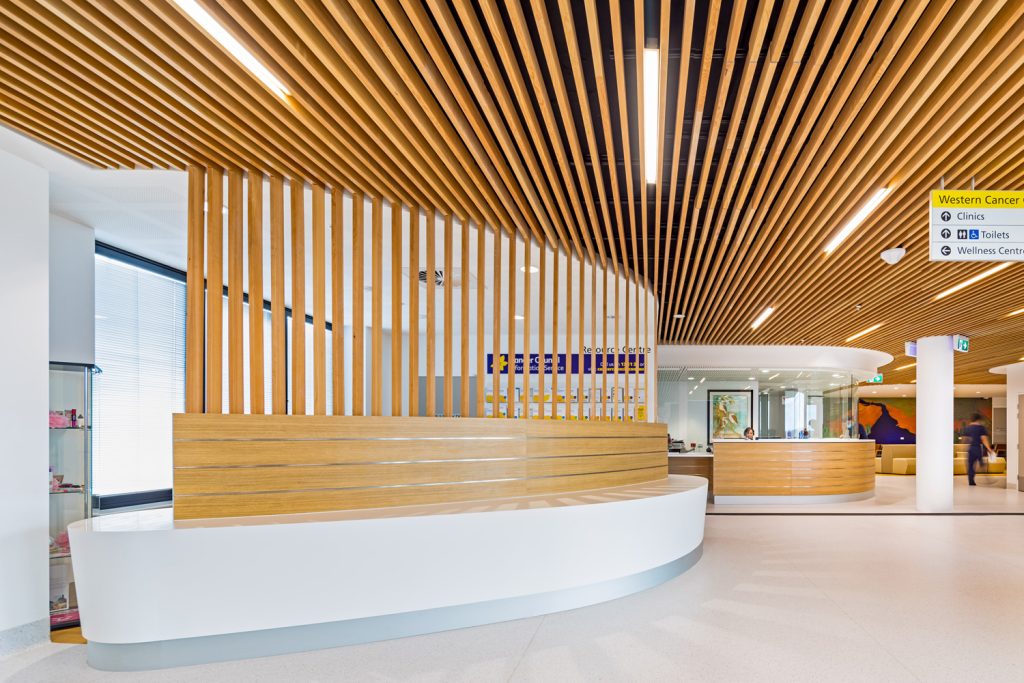
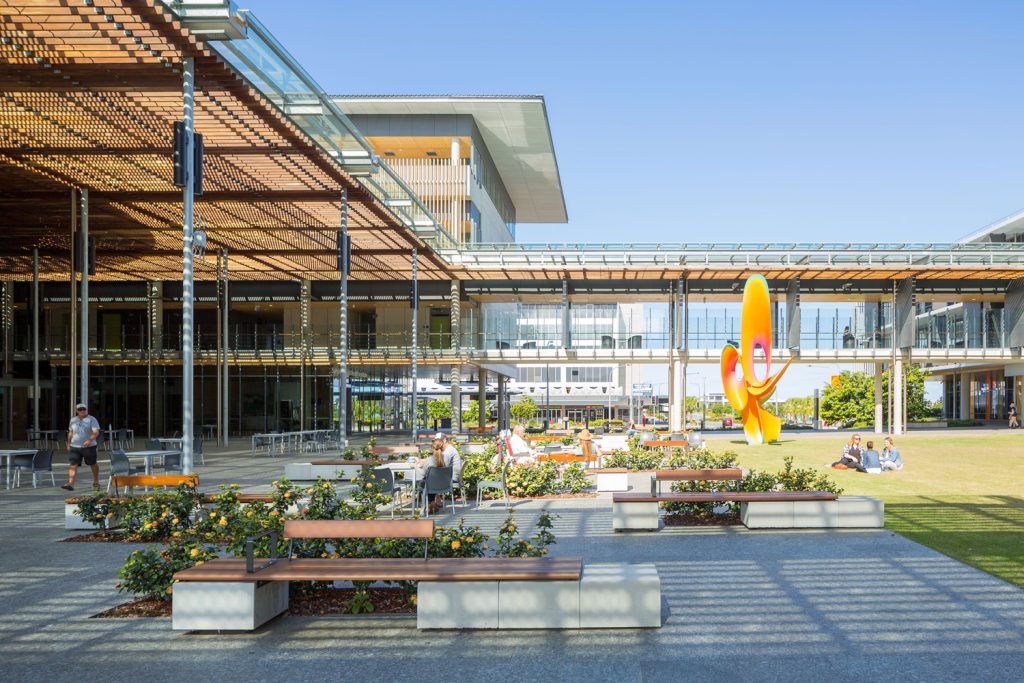
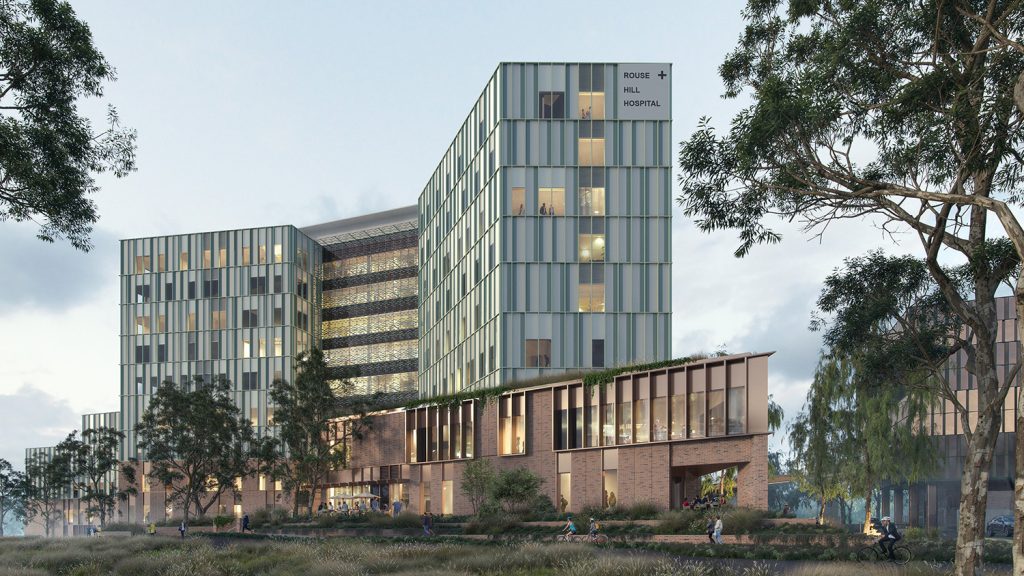
Across major projects, including the Westmead Hospital Redevelopment, Dubbo Base Hospital Redevelopment, Sunshine Coast University Hospital, New Dunedin Hospital (Whakatuputupu) and the new Rouse Hill Hospital currently under construction, HDR’s health planning team is helping to redefine what healthcare environments can be. Not sterile institutions disconnected from daily life, but welcoming, human-centred places of care and healing that reflect the communities they serve and give back to the civic fabric.
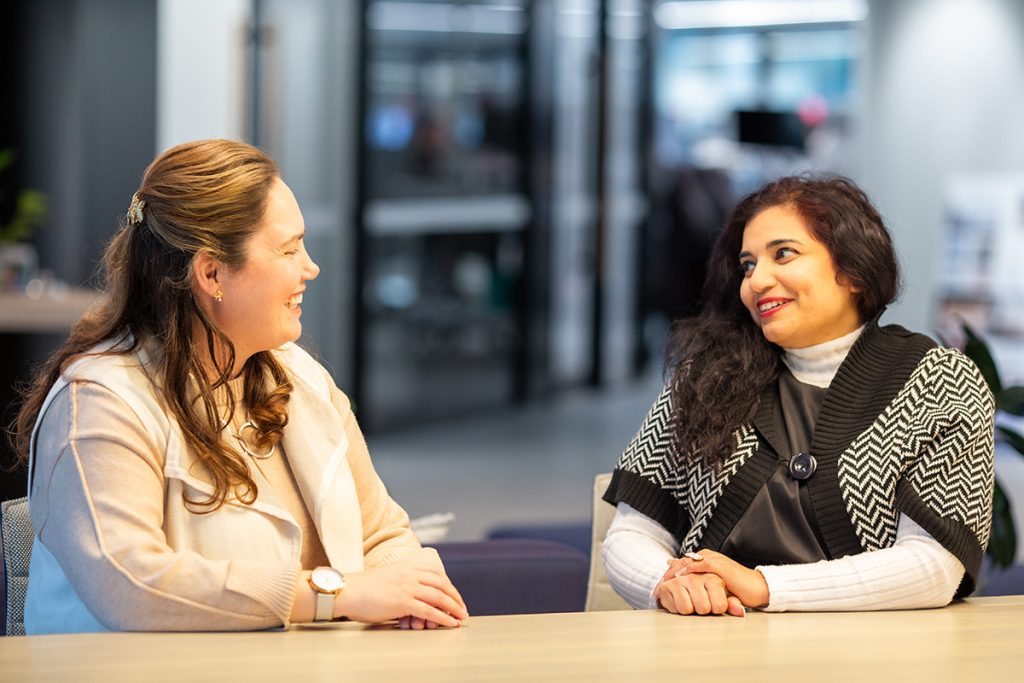
For Sequeira, her journey into healthcare was unexpected.
“I never imagined I’d end up in healthcare design,” she says with a smile.
After moving to Australia from the UAE in 2007, she found it challenging to secure work in her field without extensive local experience. A recruitment consultant suggested she interview with a specialist healthcare practice.
“I remember thinking, ‘Do I really want to focus exclusively on hospitals?’ At the time, it felt like a very niche area of design.”
That perception changed quickly.
“I assumed all hospitals would be relatively similar – that once you had designed one, the rest would follow a comparable model. What I soon discovered was that every hospital is unique, because every community, workforce and model of care is different.”
What began as an opportunity to gain experience soon evolved into a genuine passion.
“Within 18 months, after working closely with doctors, nurses and the local health district, I developed a much deeper appreciation for the complexity of healthcare environments. That’s when I realised this was the field where I wanted to build my career.”
Zakrzewski’s path was similarly unplanned.
Joining HDR’s practice in 2008 as a graduate architect, she moved between commercial, retail and defence projects before being pulled onto the documentation phase of Liverpool Hospital.
“I didn’t even know what a dirty utility room was,” she says. “I was just trying to learn as much as I could.”
Her early experience involved producing thousands of room layout sheets, learning the fundamentals of healthcare planning from the ground up. But it was stepping onto site during defects inspections that transformed her understanding of architecture.
“That was the moment it clicked. Seeing something you drew actually being built. Realising those lines on paper become real spaces that people use every day. That was incredibly meaningful.”
Today, both women have spent years immersed in some of Australia and New Zealand’s largest and most complex healthcare projects. They describe hospitals not as buildings, but as living ecosystems shaped by people, culture, operations and empathy.
“You become deeply invested,” Zakrzewski explains. “These projects can span six, eight or 10 years. You’re there from the masterplanning phase through to completion. You see the evolution of the project, the challenges, the compromises and, ultimately, the impact.”
That impact becomes even more personal when designers become end users themselves.
A few years ago, Sequeira unexpectedly found herself sitting inside the emergency department at Westmead Hospital after bringing her husband in for urgent care.
“He was worried about his heart and I’m sitting there analysing the waiting area,” she says. “I was instinctively analysing the environment around me. I found myself observing how people moved through the space, where equipment was located, how patients were waiting and what aspects of the experience were working well – or could be improved.”
The experience proved to be a powerful reminder of the human side of healthcare design.
“When you find yourself in that situation, you stop seeing the hospital through the lens of a designer and start experiencing it as a patient or family member. It becomes a deeply personal and emotional experience rather than a professional one.”
Rather than diminishing her confidence in the work, the experience reinforced the importance of continuous learning and improvement.
“It taught me a great deal about humility,” she says. “You realise there is always more to learn. A solution may appear effective on paper, but real-world experiences often reveal opportunities to make the environment more intuitive, supportive and compassionate for the people using it.”
Zakrzewski experienced something similar after her husband was hospitalised following a serious fall.
“I remember walking through the building thinking, ‘I worked on this.’ But at the same time, you’re experiencing it completely differently because someone you love is vulnerable.”
Those experiences reinforce a central truth about healthcare design. Hospitals are not abstract infrastructure projects. They are deeply personal environments that touch almost every life.
“No one wants to be in hospital,” Sequeira says. “People are stressed, overwhelmed and often frightened. If the spaces we create can provide even a small sense of calm, dignity or respite, then that matters enormously.”
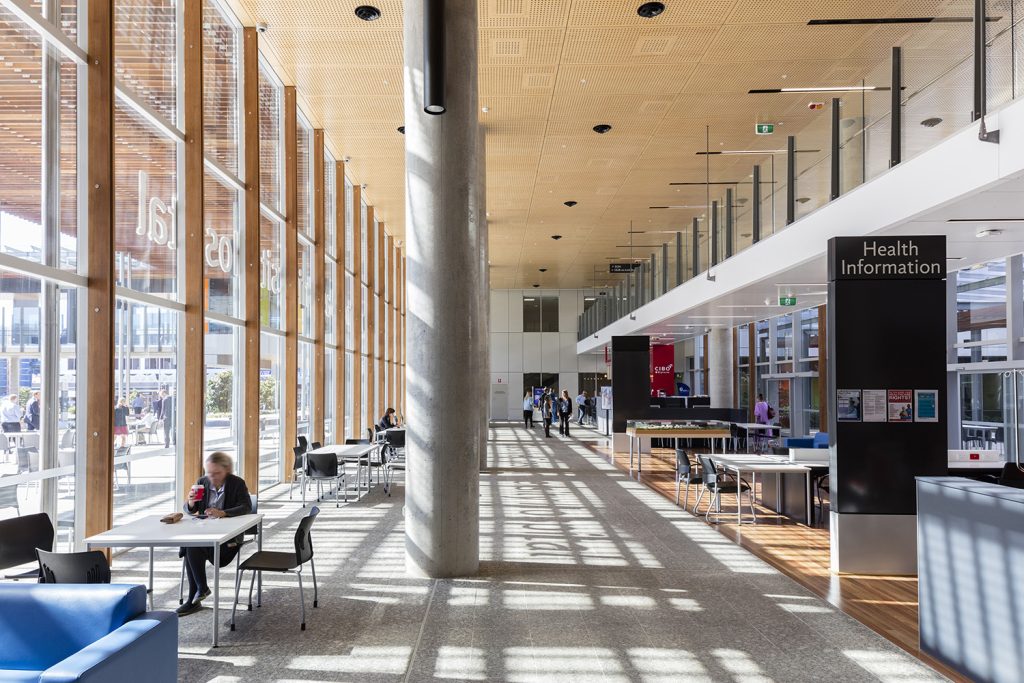
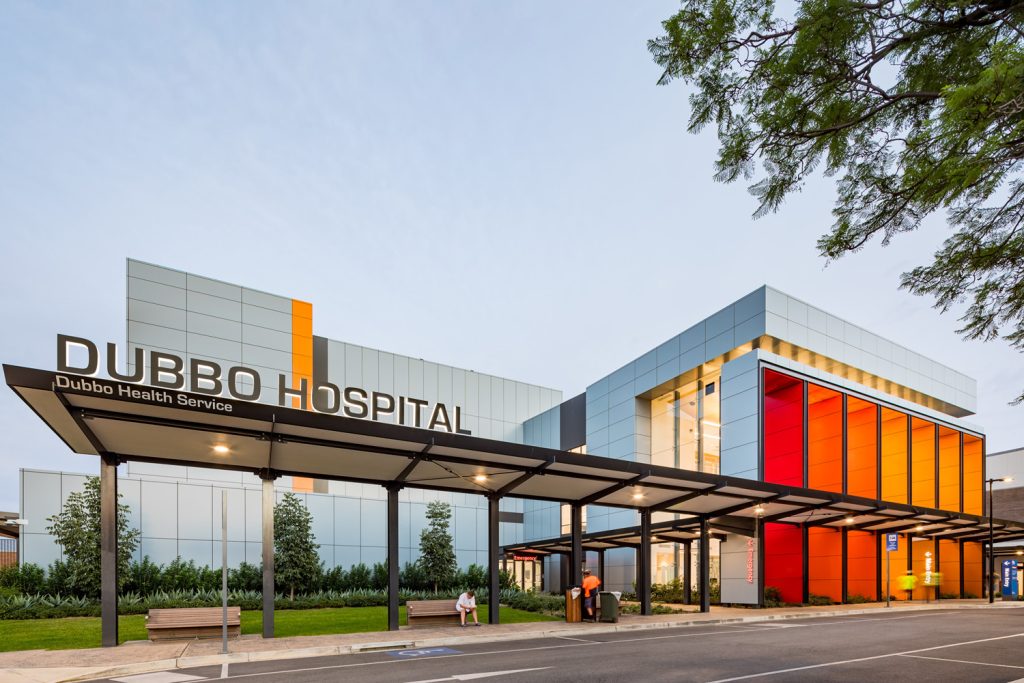
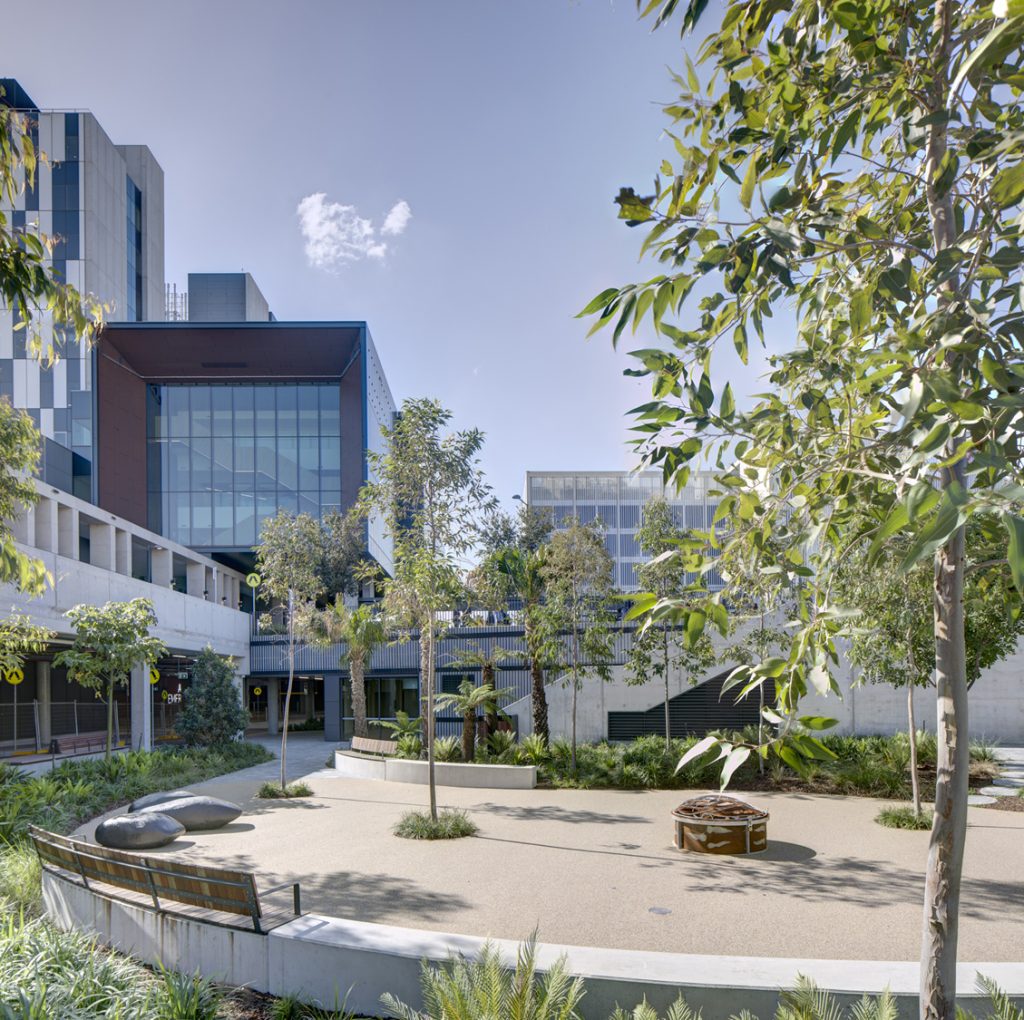
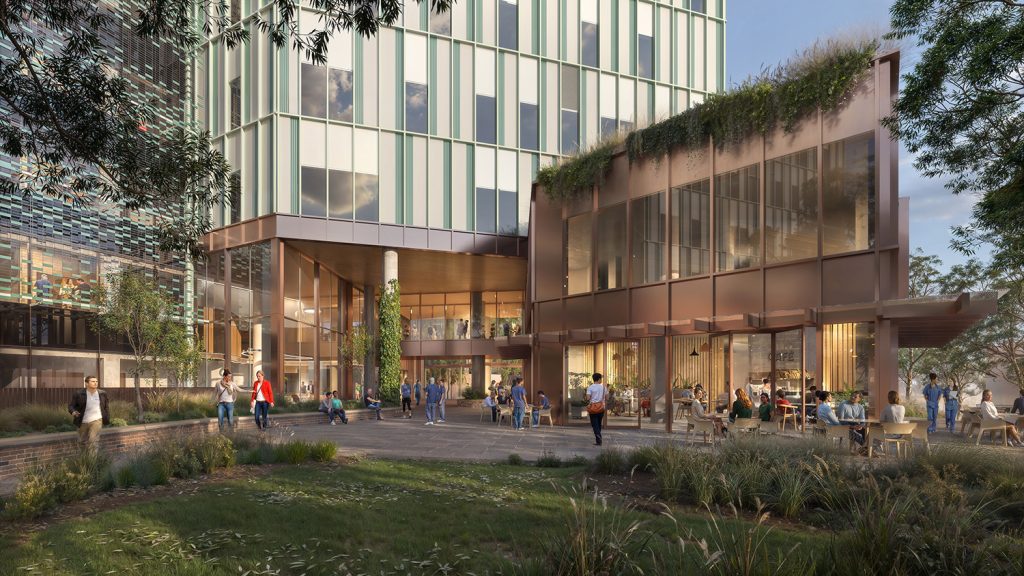
This human-centred philosophy sits at the core of HDR’s broader approach to health planning. Across projects like Dubbo Hospital and Rouse Hill Hospital, the focus extends beyond operational efficiency into creating connected environments that support community, wellbeing and belonging.
Increasingly, that means embedding spaces for gathering, greenery, natural light, cultural inclusion and moments of pause throughout healthcare environments.
For Zakrzewski, one of the most exciting shifts in the sector is the growing recognition that hospitals must support social and emotional wellbeing alongside clinical outcomes.
“We’re not just designing departments anymore,” she says. “We’re thinking about the patient journey, family experience, staff wellbeing and community connection.”
That includes designing environments that feel less institutional and more intuitive, welcoming and restorative.
“We spend so much time thinking about flow, interaction and experience,” she says. “How does someone feel entering this space? Where can families gather? Where can people decompress? How do we create moments of dignity and comfort?”
Those questions have become increasingly important as healthcare models evolve.
Both Zakrzewski and Sequeira point to emerging trends around virtual care, preventative healthcare and more flexible community-based services as major forces shaping the future of hospital design.
“We’re already seeing healthcare shift beyond the hospital walls,” Zakrzewski explains. “Technology, AI and remote monitoring will continue changing how care is delivered.”
At Rouse Hill Hospital, for example, planning conversations have explored reducing traditional waiting areas in favour of more flexible systems that allow patients to wait elsewhere until notified shortly before appointments.
“On the surface, it seems like a small change, but it has the potential to transform the patient experience,” Sequeira says. “Most people would prefer to spend their time in a more comfortable setting than sitting in a waiting room feeling anxious while they wait to be called.”
The profession itself is evolving too.
Both women reflect on the growing diversity across healthcare delivery teams, from project leadership through to engineering and construction.
“When I started in the industry, female representation in leadership and project delivery roles was far less common,” Sequeira says. “Today, many of the project managers, consultants and leaders shaping healthcare projects are women. It’s been wonderful to witness that progress and the diversity of perspectives it has brought to the industry.”
Equally important is the growing integration of cultural knowledge into healthcare environments. On projects in New Zealand and Australia, both women have worked closely with Indigenous and cultural advisers to embed Country, spirituality and community meaningfully into the built environment.
“It’s not about applying something superficially,” Zakrzewski explains. “It’s about storytelling. It’s about bringing people on the journey and understanding what matters to communities.”
That storytelling role is something both women return to often when describing health planning.
As planners, they sit between clinicians, project managers, contractors, architects and communities. They balance technical requirements with emotional realities. They mediate competing priorities, advocate for better outcomes and help guide enormous teams towards a shared vision.
“You need to be collaborative, adaptable and genuinely curious,” Sequeira says. “Every project presents new challenges, and you’re constantly learning from the people around you. The role is about helping teams navigate complexity and work towards a common goal of delivering the best possible outcomes for patients, staff and the wider community.”
That complexity can bring its own challenges. Healthcare projects are demanding, high-pressure environments with intense deadlines and deeply invested stakeholders.
But both women describe the work as profoundly worthwhile.
“I’ve always understood that this profession comes with significant demands, including long hours and periods of intense work,” Sequeira reflects. “If something is going to take me away from my family, then it needs to serve a greater purpose. That’s one of the reasons I’m so passionate about healthcare planning – because the work we do genuinely makes a difference for communities, and that matters.”
That sentiment captures the deeper legacy of health planning at HDR. Beyond buildings, drawings and technical solutions, the work leaves a lasting imprint on how communities experience care.
The hospitals being designed today will shape lives for decades to come. They will support moments of crisis, recovery, joy and connection for future generations. They will become part of the social fabric of cities and regions across Australia.
For Zakrzewski, that is legacy enough.
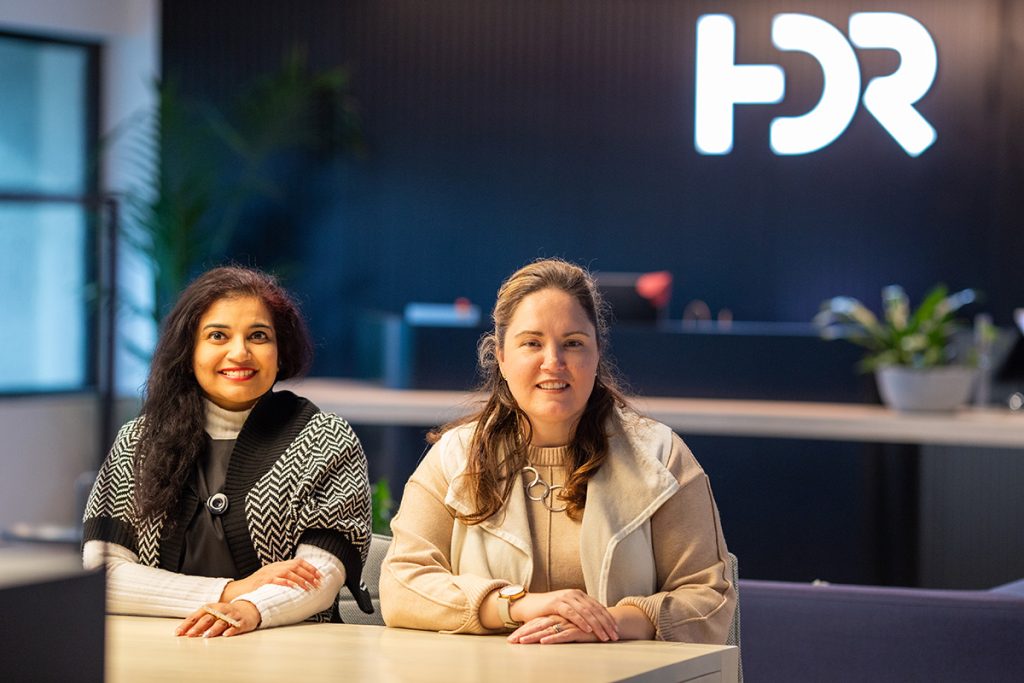
“We’re only one part of a much bigger team,” she says. “But being able to contribute to spaces that help people through some of the most vulnerable moments of their lives is incredibly meaningful.”
“And perhaps that is the quiet power of healthcare design,” says Huai Lim, managing principal at HDR, reflecting on Zakrzewski and Sequeira’s journey. “The best hospitals are not places people simply pass through. They meet people at their most vulnerable and respond with dignity, care and connection. In doing so, they become part of how communities heal and endure over generations.”
For more information, visit HDR
Top image: Westmead Hospital Redevelopment. Photo: Brett Boardman.
You Might also Like

Related Stories

© Niche Media 2026