

The art of designing a small workplace
The art of designing a small workplace

Share
Curators of the modern workplace, Zenith examine the shortlist for the Workplace Under 1000sqm category at the 2025 Interior Design Excellence Awards (IDEA), identifying the key ingredients to success in this sector.
Human creativity often emerges from constraints. Take the late French visual artist Henri Matisse. In his sixties, when ill health prevented Matisse from painting, he began to cut colourful shapes out of painted paper with scissors, thus beginning his ‘cut-out’ period. Matisse worked almost exclusively in this new medium during his final artistic phase, producing some of his most famous works, including Blue Nude II in 1952.
Limitations, however stressful they may first appear, can provide the scaffolding for brilliant creative results, and the Workplace Under 1000sqm category at the Interior Design Excellence Awards (IDEA) is a testament to this.

Achieving greatness in 1000 square metres
The Workplace Under 1000sqm category recognises the smaller, more bespoke office solutions under 1000 square metres in size – with often concomitantly more tightly constrained budgets. In assessing entries, this category considers brief, concept, projection of company brand and ethos, support of workplace culture, client ease of use (where applicable), spatial acumen, parameters, decoration, lighting, sustainability, innovation and originality of design outcome.

This year’s 18-strong shortlist demonstrates a variety of solutions for distinct industries, settings, staff and clientele.
Using discreetly concealed clinical elements and poetic applications of the colour red, Nickolas Gurtler Office brought a sense of comfort and femininity to a menopause specialist clinic. Meanwhile, Alcami Architecture turned an office for Saber Astronautics in Adelaide into an immersive artscape that pays homage to techno-utopian visions of the 1970s.
Both Alexander &CO. and Studio Gram were also shortlisted in the IDEA 2025 Workplace Under 1000sqm category with new homes for their design practices. These thoughtfully synthesise their individual design approaches and encourage experimentation and collaboration among their staff.
With wildly different outcomes, each project on the shortlist offers intelligent functional solutions, as well as succinct expressions of brands and workplace cultures – all within tight parameters.
Understanding the small workplace
As one of APAC’s leading furniture solutions companies, Zenith understands the need for high-performing furniture in all workplaces. The brand has sponsored the IDEA 2025 Workplace Under 1000sqm category since 2023 and has observed that smaller footprints in workplace projects can offer designers the advantages of sharper focus, intimacy, efficiency and innovation.
“Designers can hone in on the essentials, stripping away excess,” Zenith marketing director Vera Meharg says.

According to Meharg, the workplace design essentials are universal regardless of project size. She identifies five key considerations: functionality, flexibility, wellbeing, organisational identity and sustainability.
“Spaces must support diverse work modes – focus, collaboration, and social connection,” she explains. “Ergonomics, acoustics and access to natural light are also critical.”
Furniture and layouts should adapt to evolving needs, she says, and material choices and lifecycle impact are increasingly “non-negotiable”. “It’s why one of our key design philosophies at Zenith Interiors is designing for circularity and incorporating responsible use of materials and manufacturing practices.”

The challenges of a small workplace
While key considerations may be similar, Meharg recognises the disadvantages commercial interior designers face working within tight footprints, with limited space demanding sharper problem-solving.
“There are fewer options for zoning or expansion,” she says. “Integrating acoustics, storage and technology in compact layouts also requires precision.”
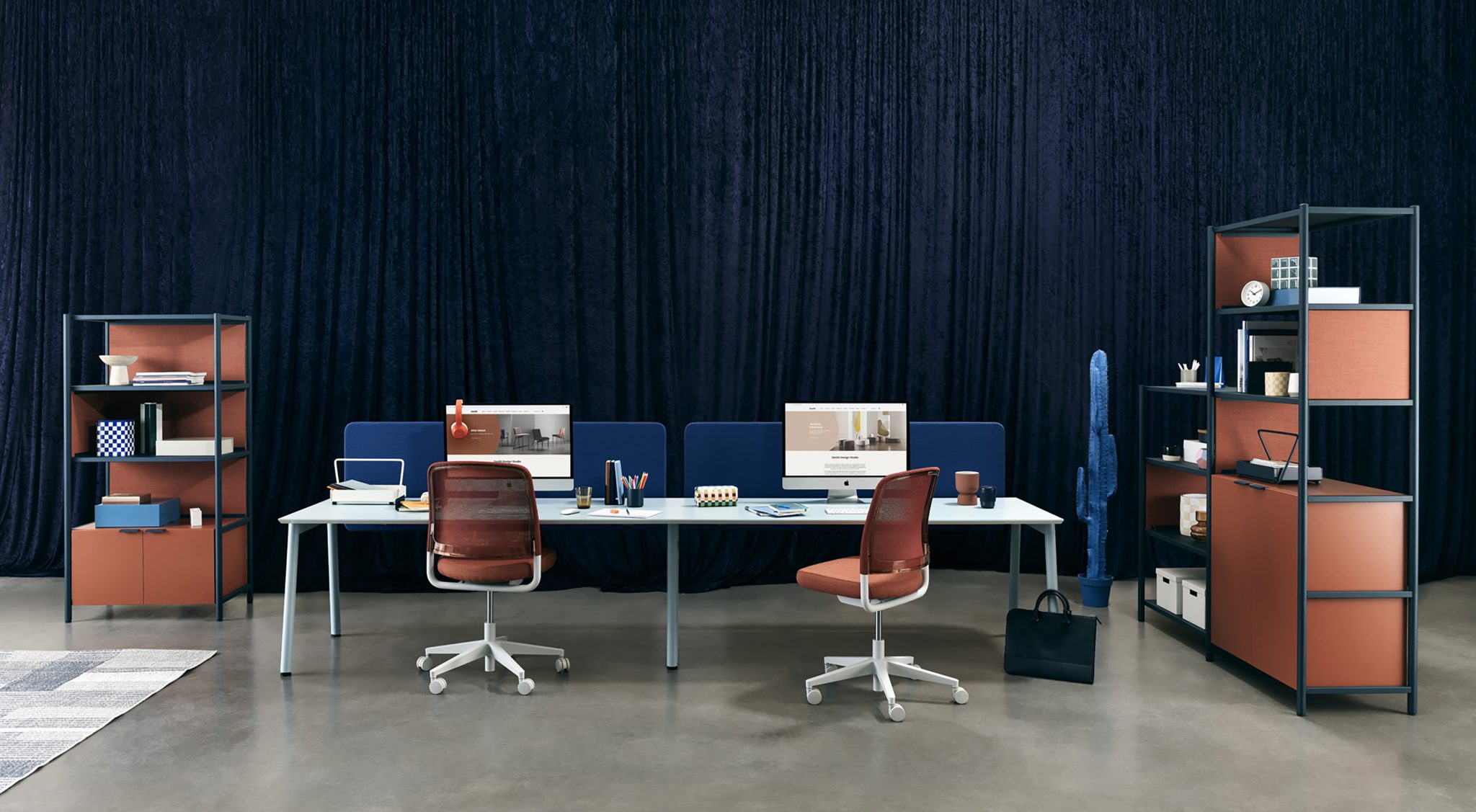

Clients may also assume small space equals low investment, which can limit design ambition. Meharg, however, counters this perception.
“A small workplace doesn’t automatically equate to a restricted budget – it often means a more focused one,” she says. “Many organisations are investing strategically in smaller footprints to maximise efficiency, sustainability and employee experience. The budget is less about square metres and more about priorities.”
At Zenith, Meharg sees clients channelling resources into quality furniture and design solutions that deliver long-term value, regardless of scale.
“Furniture is the key to unlocking potential in compact environments as smart furniture choices transform limitations into opportunities,” she says. “At Zenith, we design pieces that are multi-functional, flexible, space-efficient and technology-ready.”

What does the shortlist tell us about workplace design in 2025?
According to Meharg, this year’s Workplace Under 1000sqm shortlist reflects a clear shift in workplace design philosophy.
She has observed a strong focus on human-centric design, prioritising wellbeing, inclusivity and comfort. She also highlights a “hybrid readiness”, a strong emphasis on material innovation and circularity, and a community focus, with even small workplaces being designed as cultural hubs, not just functional offices.
“It signals that Australia is embracing smaller, smarter, and more sustainable workplaces as the future standard,” she says.

Zenith offers designers customisable solutions, sustainable manufacturing, material transparency, collaborative design support from concept to installation and innovative furniture systems that solve spatial and technological challenges. The brand sees its role as empowering designers with tools, expertise and products that bring their vision to the next level and deliver workplaces that “truly work”.
Head to the Zenith website to find out more.
Images supplied.
Related: Download Zenith’s free trend report revealing the changing context of the contemporary workplace.

© Niche Media 2026