

Omotenashi and innovation: ADR follows Brahman Perera to Japan to uncover inspiration for Lexus pavilion
Omotenashi and innovation: ADR follows Brahman Perera to Japan to uncover inspiration for Lexus pavilion

Share
During a recent field trip to Japan with Brahman Perera, Australian Design Review witnessed the creative inspiration behind LANDMARK by Lexus – a hospitality pavilion he has designed for this year’s Melbourne Cup Carnival, writes Jane Rocca.
A new three-level architectural building within the glamorous Birdcage enclosure at Flemington Racecourse will see LANDMARK by Lexus return to the Melbourne Cup Carnival for its eighth consecutive year. Lexus reunites with Melbourne-based interior designer and collaborator Brahman Perera, who is tasked with leading the design look and feel – tapping into this year’s theme of ‘synthesis’.
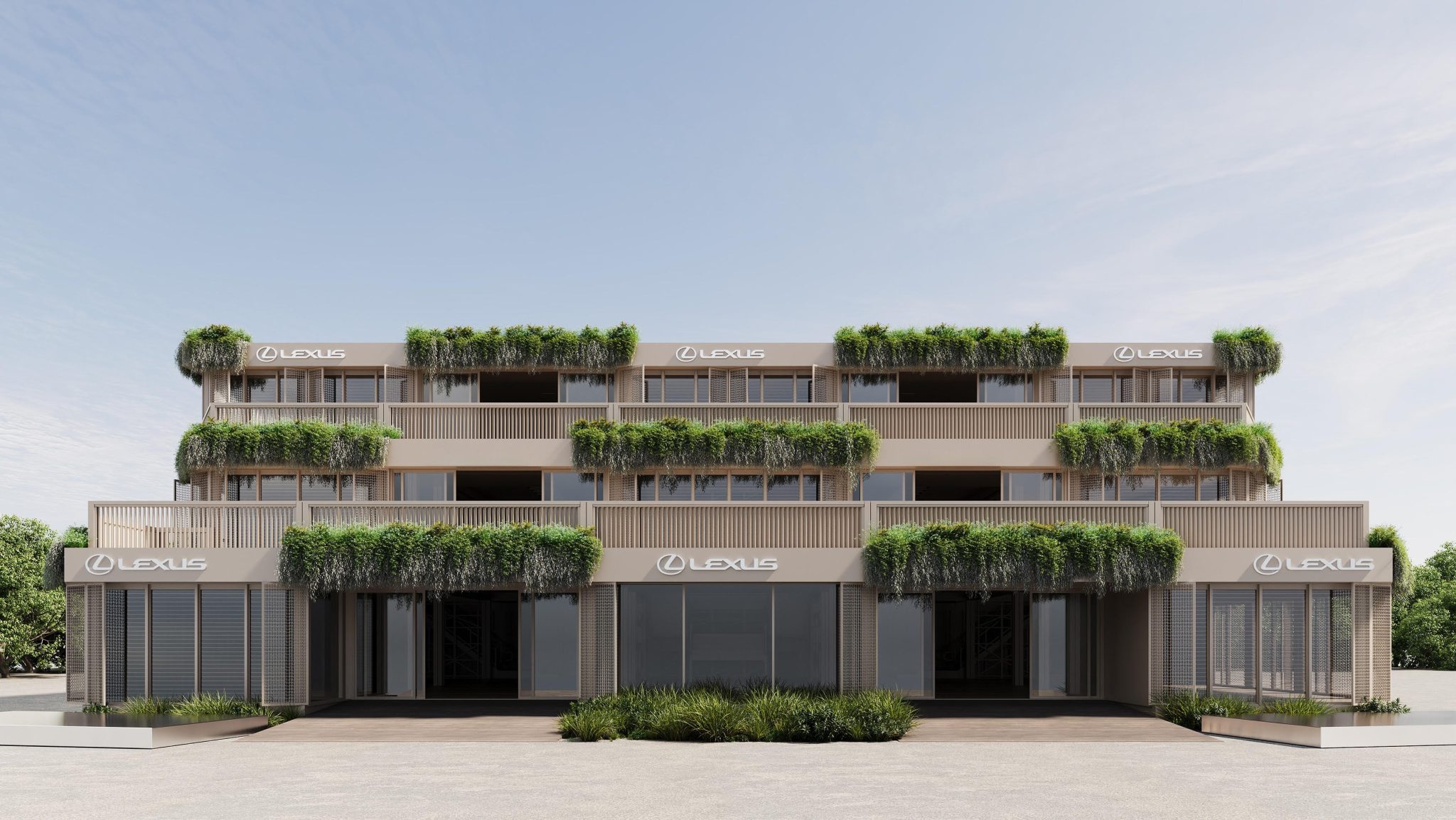
External render of LANDMARK, supplied by Lexus.
Perera pursues harmonious luxury at every turn here. Sustainability is at the heart of his vision – his story eloquently told with an appreciation for Japanese culture and design, while bringing his own unique perspective.
The exterior of the bespoke hospitality pavilion is enveloped in a champagne metal perforation, while soft meadow greenery cascades all around for a calming forest-like zen. He has handcrafted unique details in timber, natural stone and bespoke textiles, all while working with AI-driven art installations on the site.
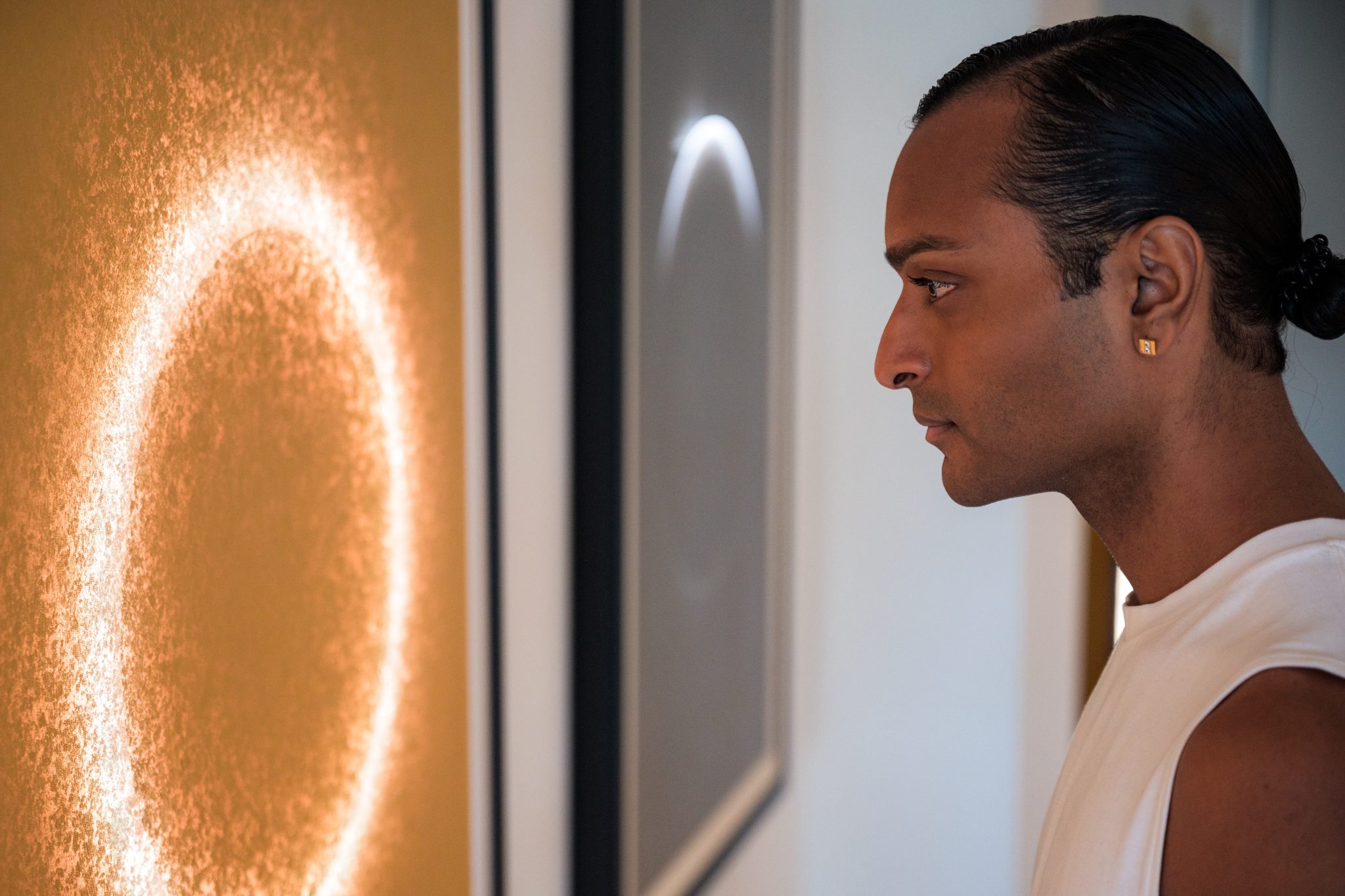
Brahman Perera views the work of Tangent Studio in Japan.
The influence of omotenashi and takumi
From the moment you enter on level one, you’re immersed in natural and textural tones that reference Japanese tatami. There’s cork flooring throughout, while walls are lined with chainmail curtains in an off-white satin. A dramatic sky-blue stairwell whisks you higher.
“We’re parlaying the idea of tatami as you arrive; it’s laid in a beautiful checkered pattern, and we’re also exploring the use of sustainable cork materials that create patterns and texture too,” says Perera, who also adds Australian burl timber to add texture and Japanese sensibility to the space.
The art of omotenashi – a Japanese philosophy which prides itself on selfless hospitality – and takumi mastery hold the design message together at Lexus. Perera’s curated design decisions centre on craftsmanship, excellence and a seamless expression of feeling welcoming.
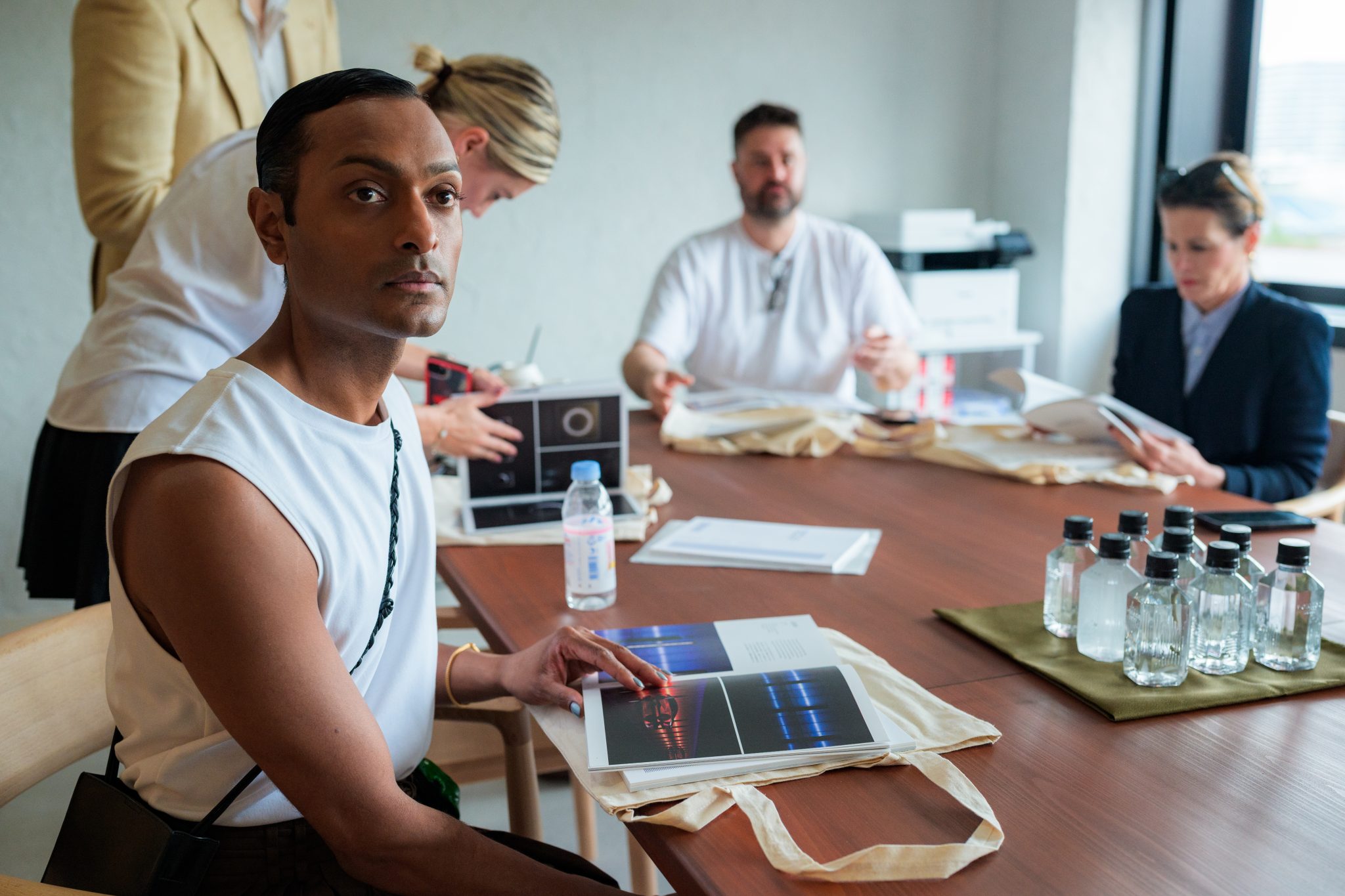
Brahman Perera at Tangent Studio in Japan.
Level two is filled in rich burnt orange and caramel tones with a hint of animal energy in the upholstery, while mirrors and moving artworks provide a fluid mood.
On level three, the room turns a pale dusk rose, where black satin and pistachio glass bricks add a new dimension. The room is accented with handmade crisp white lamps and brushed aluminium for a muted elegance.
Finding inspiration in Japan
On a recent field trip to Japan with Perera this September, Australian Design Review learned about his appreciation for Japanese design. As an interior designer, he is continually drawn to the calming Japanese aesthetic, minimalism with quiet purpose and the allure of the zen way of Japanese life.
His trip to Japan helped inspire his work within LANDMARK.
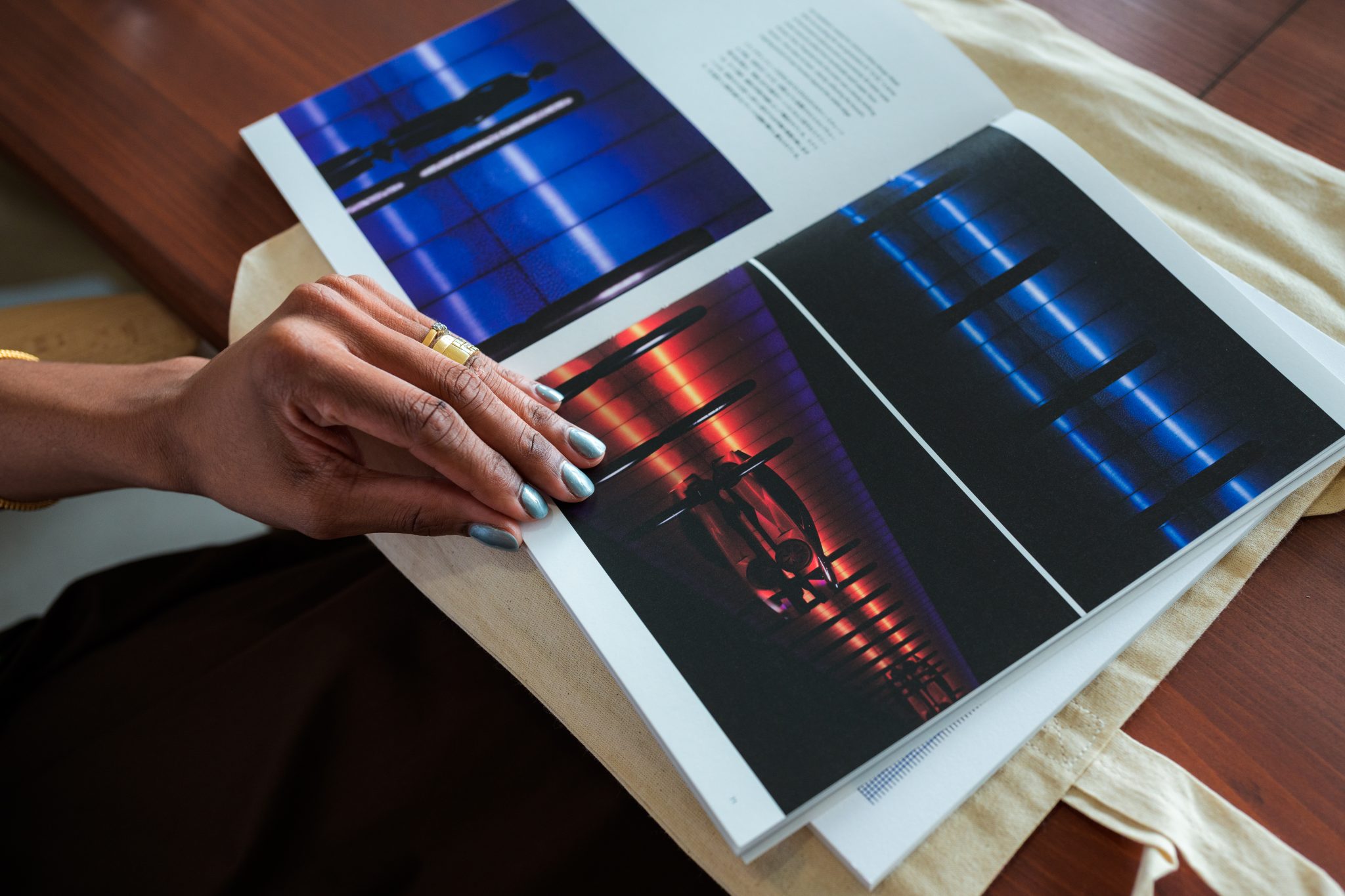
Brahman Perera views the work of Tangent Studio in Japan.
“The aim is to always achieve all the functional elements of the purpose of design,” says Perera. “But for me, it’s about: how can we make form and function work in a seductive and enticing way that always lingers in one’s memory, long after the racing season is over?”
He lives by his design mantra, that life should always be a cycle of re-evaluation and refinement – and this year he takes existing furniture from past Lexus pavilions and reupholsters them for a new lease of life. It’s a reimagining that made sense to the designer, who likes to approach his own design work in hospitality, home and retail with a sustainable purpose.
“This year we’re really focusing on the art of precision at Lexus – the true core values of omotenashi and takumi,” Perera says. “Having just been to Japan, it really helped me understand how these elements come into practice. Whether it’s a dining experience or the use of AI tech-driven art experiences, there’s a real push for sentiment and authenticity. It’s about generosity, craftsmanship and the spirit of all this is imbued in the pavilion I have helped create.”
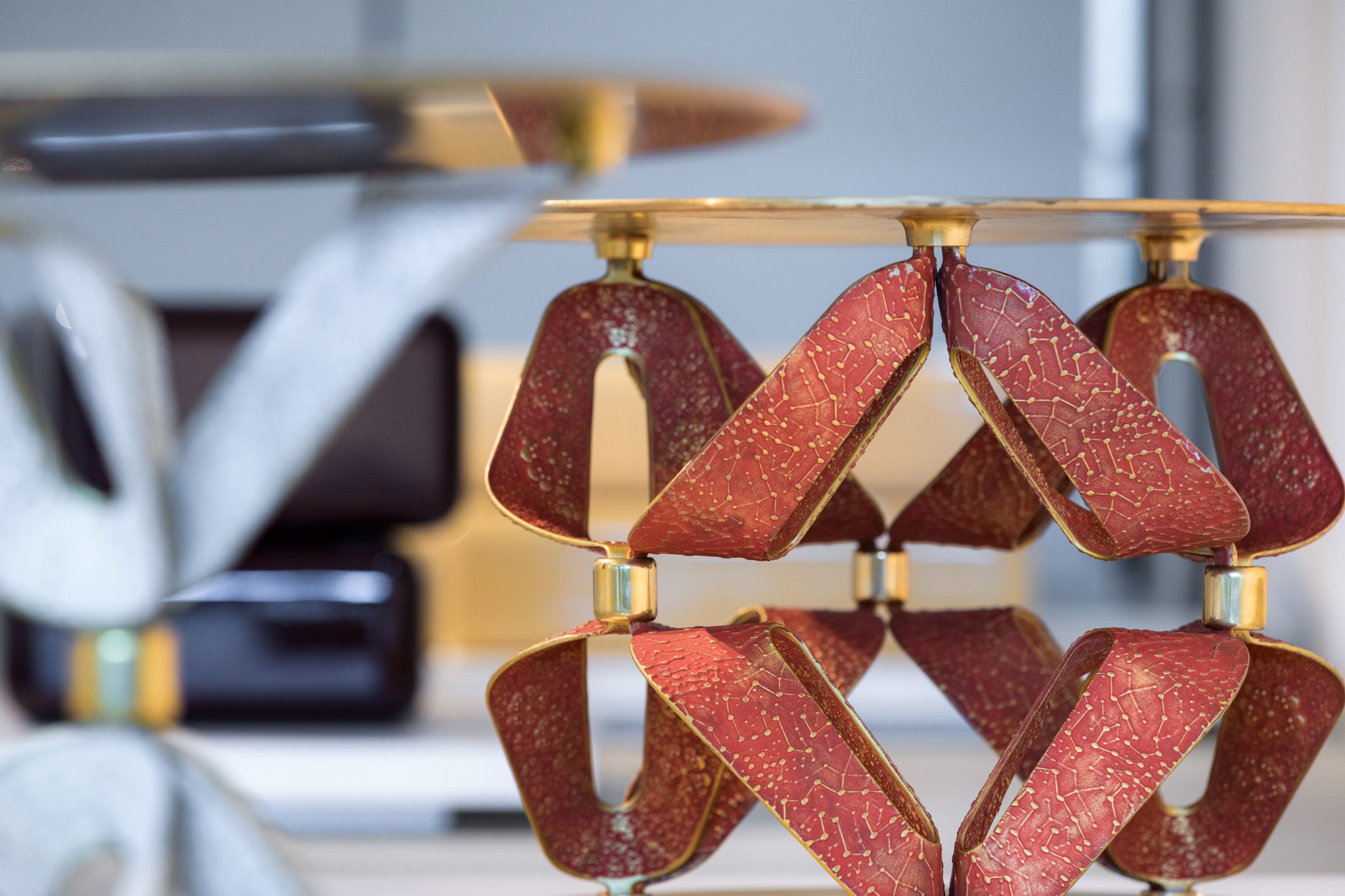
Object by Tangent Studio.
In Kyoto, we visit kimono master Nobumi Miyake, who has been making couture bridal gowns for 30 years. Perera is keenly watching the process as Miyake, a noted Takumi master, places gold leaf on a floral design with quiet ease. His wife is fastidiously applying mother-of-pearl accents to other aspects of the garment. It’s a memory that leaves a lasting impression on Perera. “It’s the delight in processes, the artistry and the pure joy that comes from the work they do that I also relate to,” he says.
An in-conversation with Japanese industrial designer Hideki Yoshimoto, founder of Tangent Studios, sees both designers discuss innovation, tradition and modernity and how it informs both of their approaches to design.
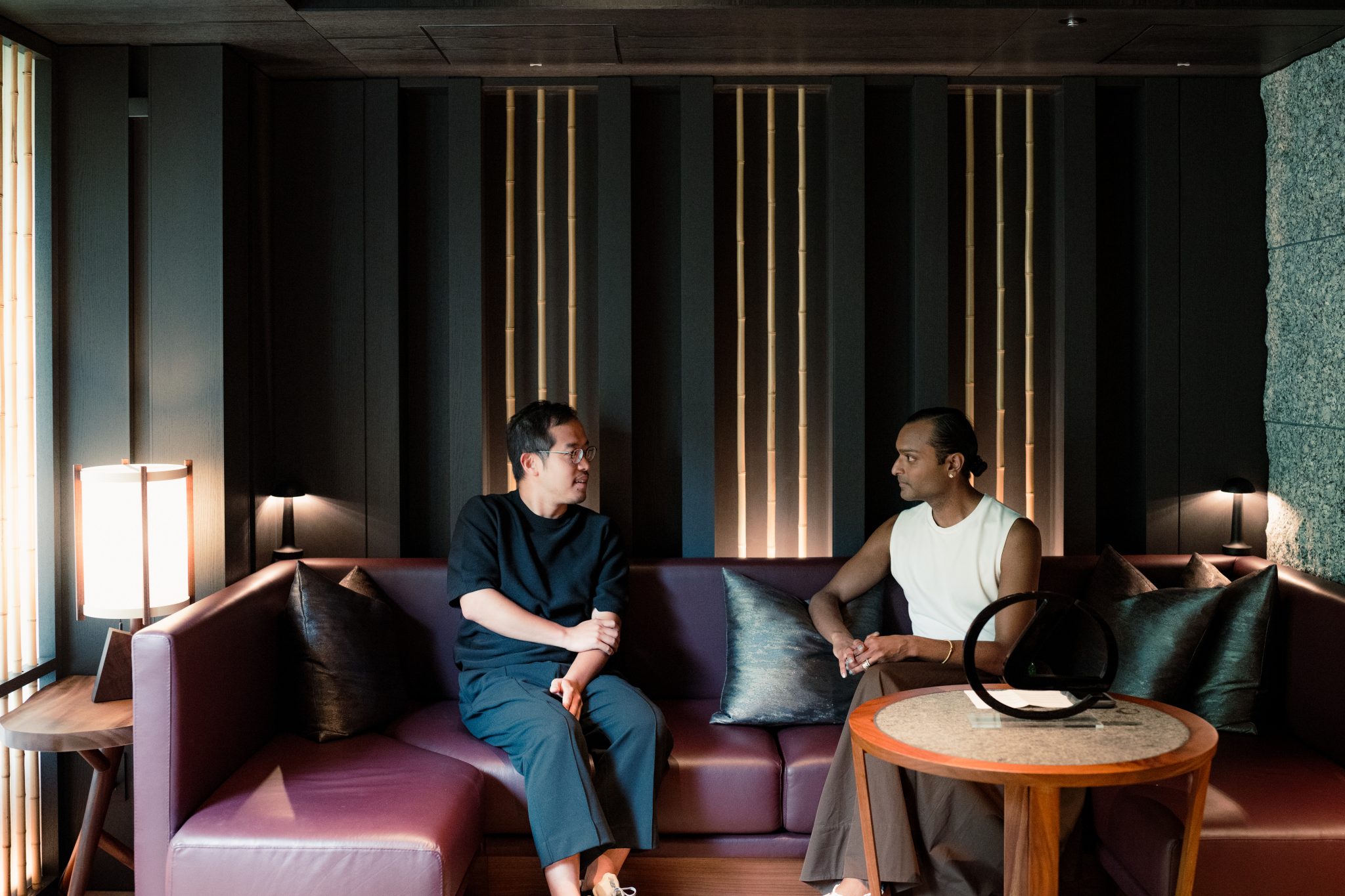
Brahman Perera with Hideki Yoshimoto.
Yoshimoto won the first Lexus Design Award in 2013 for his lighting design INAHO, which translates to ‘golden ear of rice’. The work is housed at his Tokyo studio, a lighting structure that simulates the motion of a rice paddy swaying in the wind as you get closer to the work.
“Hideki’s work is filled with a deeply personal reverence and is connected to ‘handmade’ and a traditional craft,” Perera explains. “Even if the end product looks and feels much more technologically-advanced in person, it has a beautiful way of connecting us.”
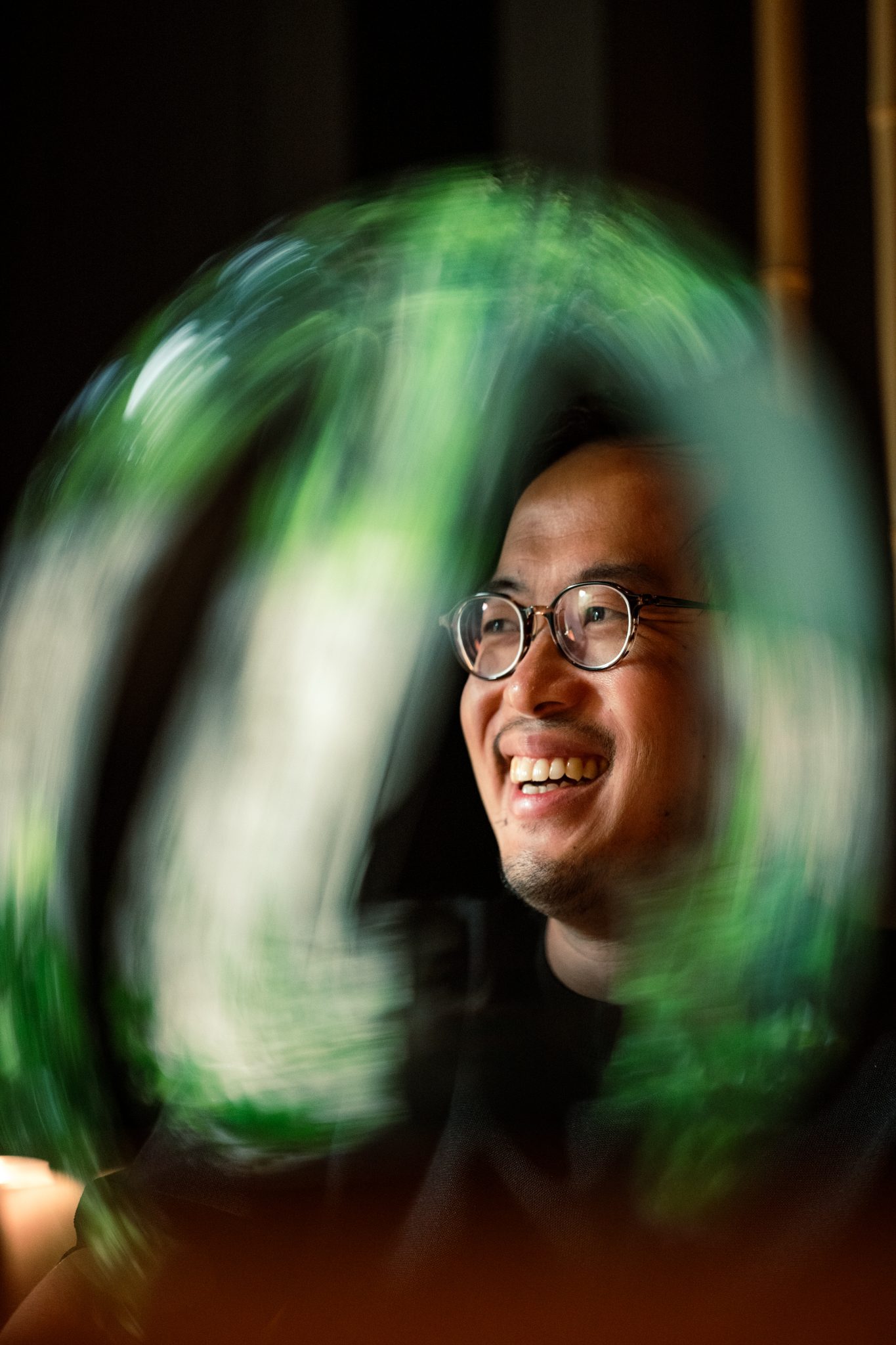
Hideki Yoshimoto.
Handmade meets high-tech
The fusion of handmade and high-tech is at the core of Perera’s approach back at the track, with lighting part of that atmospheric conversation in the pavilion. Lights illuminate, hover and react to those gathered within.
A fragmented 3D-printed central sculpture Liminal Cycles, created by Slovakia-based research and design studio Crafting Plastics, is cleverly cutting-edge. The artists have drawn inspiration from the sleek spindle body of the Lexus LF-ZC concept car to light the way.
Fashion photographer Michelle Tran will set up a photography studio for guests to capture their fashion moment to take home on each race day.
“I wanted guests to walk away with a memory and not to feel rushed to be snapped when they enter the pavilion; it’s a considered way to arrive,” Perera says.
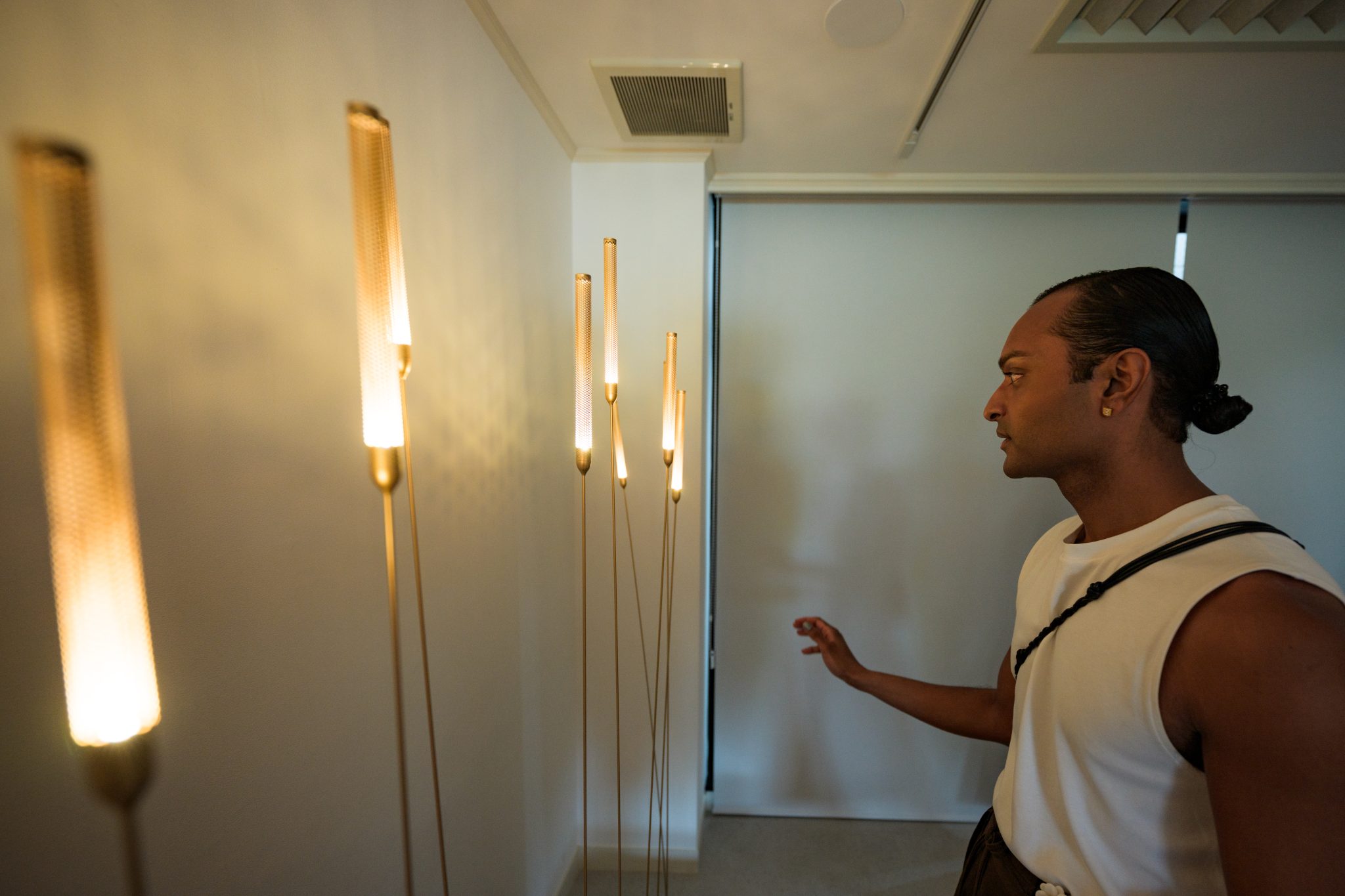
Brahman Perera views 3 Stems by Tangent Studio in Japan.
The headline chef this year at Lexus is Sydney’s Josh Raine – a former Michelin-star executive chef at Tetsuya who now runs his own restaurant 40Res in Surry Hills. He pairs a refined Japanese technique with local and seasonal produce for guests to enjoy.
Perera sets the mood with creamy natural tones in the dining room. Dining also gets more playful with the bento bar set-up, where three bite-sized creations by Raine blend in effortlessly on the higher levels.
“The dining spaces have been created with simplicity in mind,” Perera says. “It’s not about over-thinking an area; it’s inspired by origami and I also lean into the work of American minimalist artist Donald Judd to inform the design. My approach is about layering and adding emotions, juxtaposing yet finding clarity without clutter.”
There’s also a Japanese speakeasy feel to the space too.
“What I love about the listening bars in Japan is that everyone there is [very] much seated and having a conversation. It’s not a frenetic energy; there’s a sense of calm and relaxed intimacy. Again, I tap into this here,” Perera says.
He’s saturated the room in a crème brulee hue, while low lighting over the bar makes it moody and elegant. Elsewhere, large-scale collages by Melbourne-based artist and designer Simone Esterhuizen will be animated digitally throughout the race week, while florist Simone Gooch crafts Ikebana-inspired floral sculptures in keeping with the spirit of Japanese hospitality.
Photography supplied.
Related: Read our interview with Brahman Perera about his 2024 IDEA-winning project Perri Cutten Mosman.
You Might also Like



Related Stories

© Niche Media 2026