

Adapt. Reuse. Return.

Share
New research reveals Australian workers favour ‘reused’ offices in place of demolition
You’ve heard the buzzwords: renewable energy, renewable packaging, renewable products. But what of renewable real estate? A new discussion paper released by design practice FK in collaboration with research firm Ipsos, titled, ‘Adapt. Reuse. Return.’ reveals what employees value most in the workplace and how repurposing buildings – particularly existing, older offices– can respond to these expectations and desires.
The report, which surveyed 1000 office workers across Sydney, Melbourne and Brisbane, defines renewable real estate as the continual reuse, adaptation and extension of existing buildings to maximise their environmental, social and economic value. It highlights renewable real estate as a key opportunity for creating attractive, sustainable and future-ready cities.
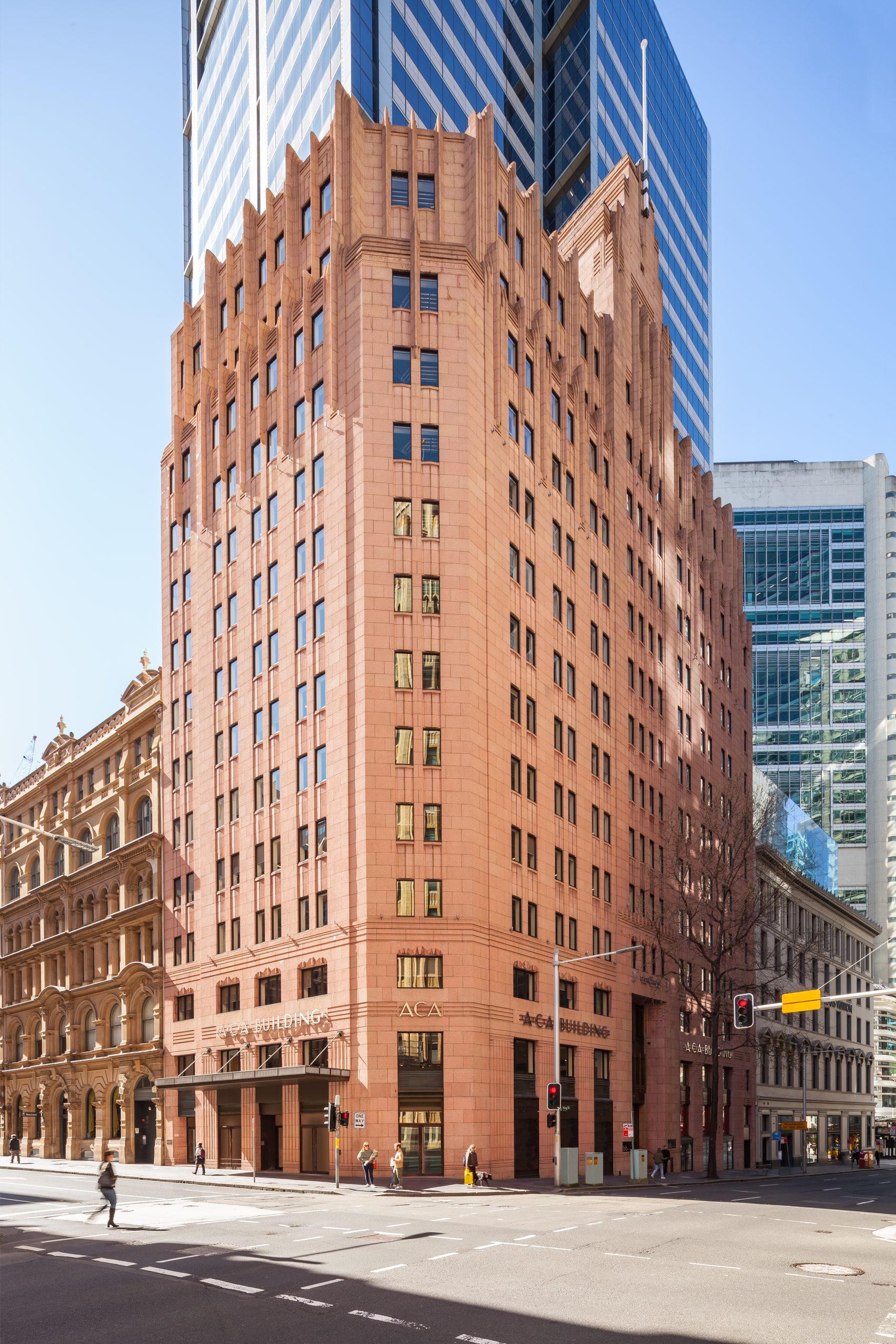
In Melbourne, for example, over 60 percent of central city Media release offices are more than 30 years old, with mid-tier B-, C- and D-grade buildings particularly struggling to remain competitive. Many of them are energy inefficient and poorly aligned to the expectations of a hybrid workforce.
“Our research shows that employees and tenants are ready for a new generation of commercial spaces that are flexible, sustainable and amenity-rich. The industry now needs to respond,” FK partner and head of design Nicky Drobis says.

With office vacancy rates at a 30-year high across the country and commercial real estate responsible for roughly 10 percent of Australia’s carbon emissions, the findings arrive at a pivotal moment.
“We don’t have to choose between sustainability and quality, we can have both. Reimagining our existing buildings is one of the most powerful ways to reduce carbon emissions while creating workplaces that people actually want to return to,” Drobis says.
A renewed attraction to the office
With post-pandemic work habits challenging employers to create offices workers want to return to, the report highlights how the transformation of underutilised office buildings into high-performing workspaces can drive a return to the office, improve sustainability outcomes and deliver strong commercial returns.
In fact, the research also shows how sustainability and employee experience are increasingly intertwined, with nearly half of all office workers claiming it is highly important that their employer takes meaningful action on environmental sustainability.
“If we truly understand how reused, renewable real estate can help achieve our shared goal of sustainable, productive cities, we can begin shaping the policies, incentives and partnerships required to make these projects a reality,” Drobis says.
Meeting sustainability challenges
With the government increasingly recognising the importance of sustainable cities with such initiatives as Australia’s Circular Economy Framework, material circularity becomes a primary factor toward a goal to double its practice by 2035.
The demolition of existing buildings is no longer acceptable practice, with environmental effects caused by massive volumes of waste (concrete, metal and wood) that contribute to landfill strain. This is to say nothing of the severe air pollution from dust and hazardous particles such as asbestos and lead, plus water contamination from run-off, high energy consumption from heavy machinery and noise pollution.

“On the road to net zero, reuse must move from niche to norm,” Drobis says. “It’s time to stop viewing these projects as the exception and start treating them as the standard for responsible, future-ready design.”
As cities grapple with economic recovery and the urgent need to decarbonise, FK’s research calls for coordinated action from government, industry and asset owners to embrace the concept of renewable real estate, invest in future-ready workspaces, and strengthen incentives and policies that enable the widescale transformation of existing buildings.
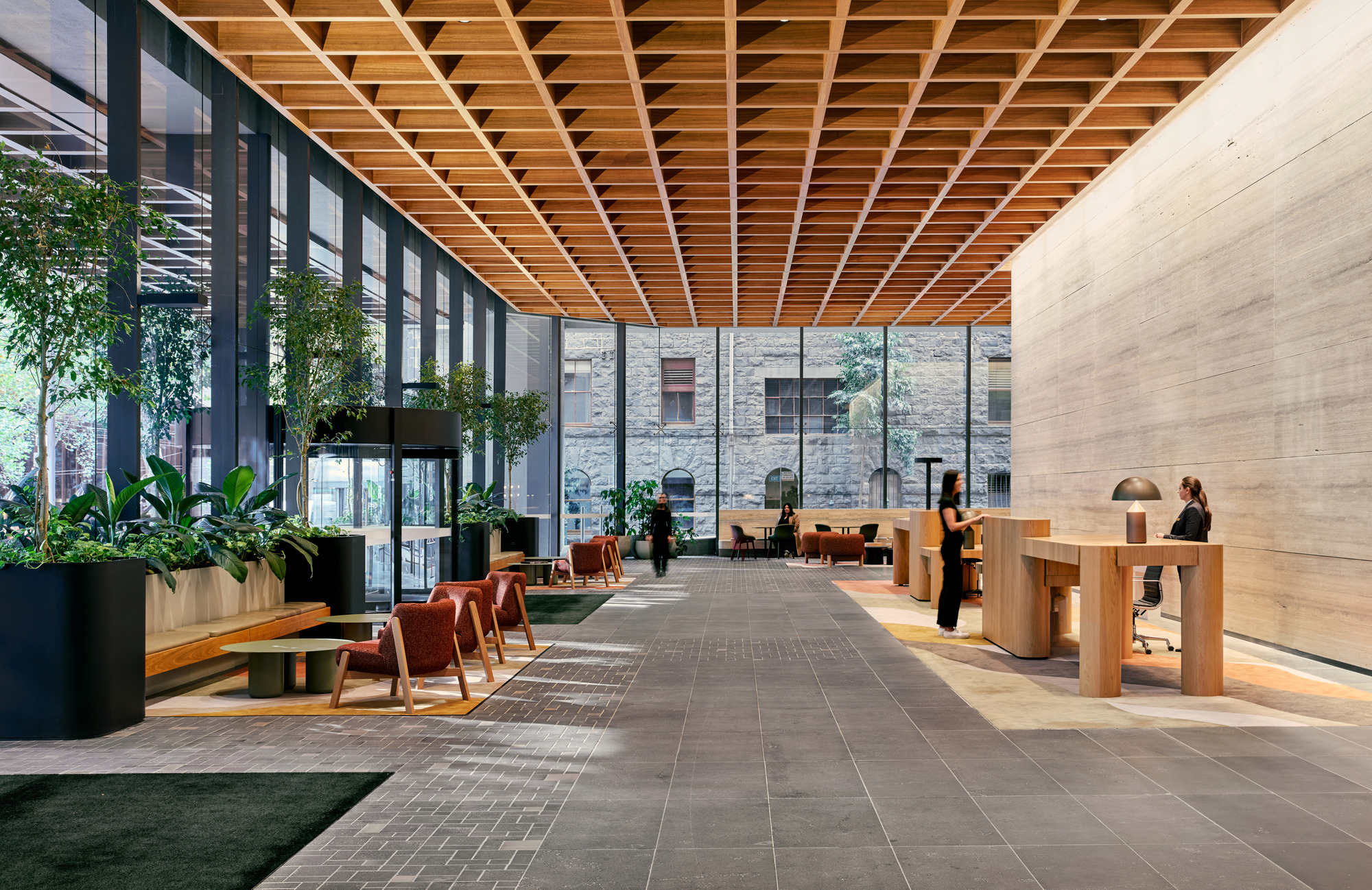
Lead image: Midtown Centre, Brisbane. Photo: Angus Martin
You Might also Like
Related Stories

© Niche Media 2026