

Wilya Janta turns community-led remote housing design into reality
Wilya Janta turns community-led remote housing design into reality

Share
Wilya Janta, a new initiative out of Warumungu Country in Tennant Creek, says Aboriginal-led design could help address housing inequality in Indigenous communities.
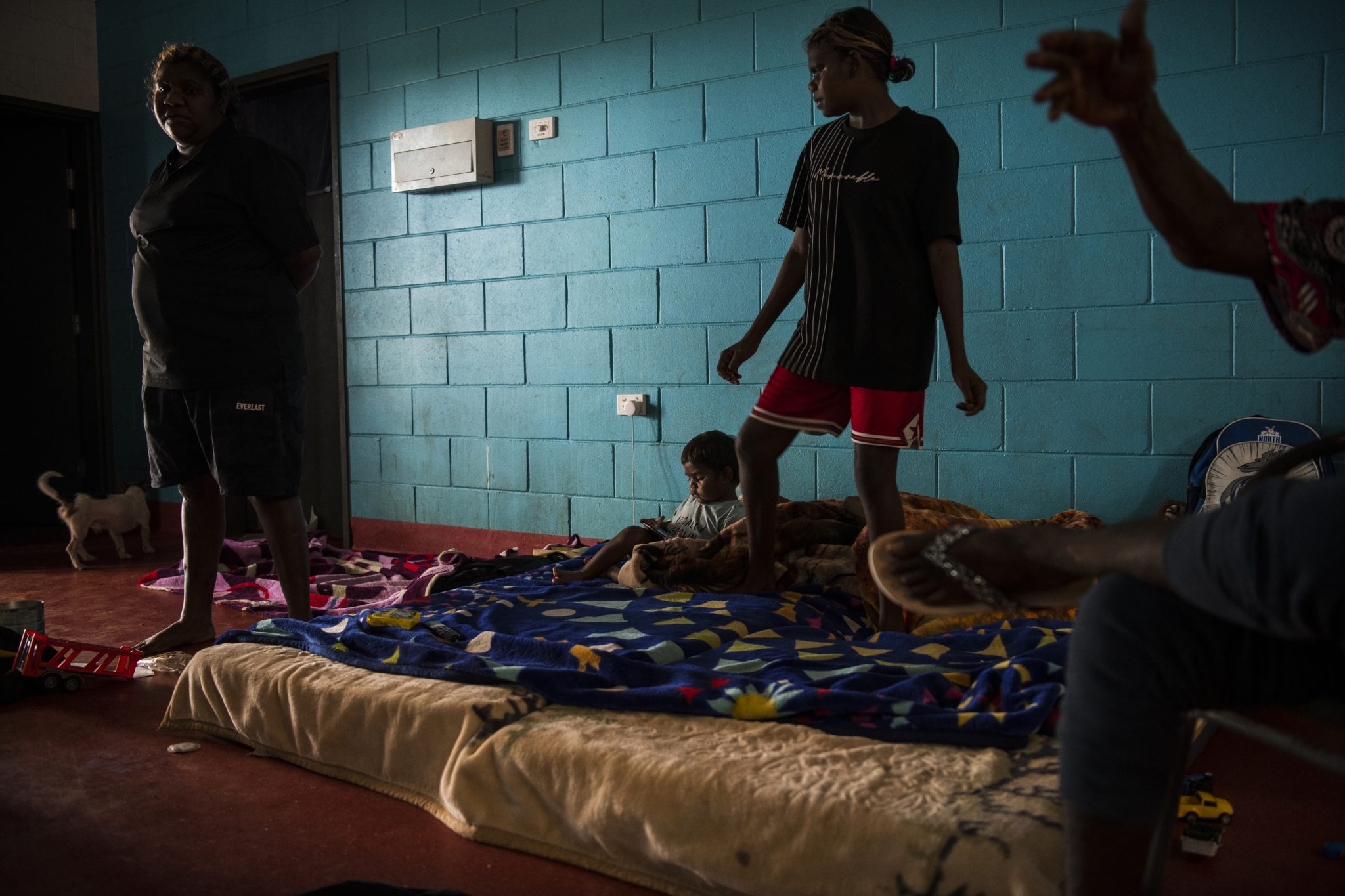
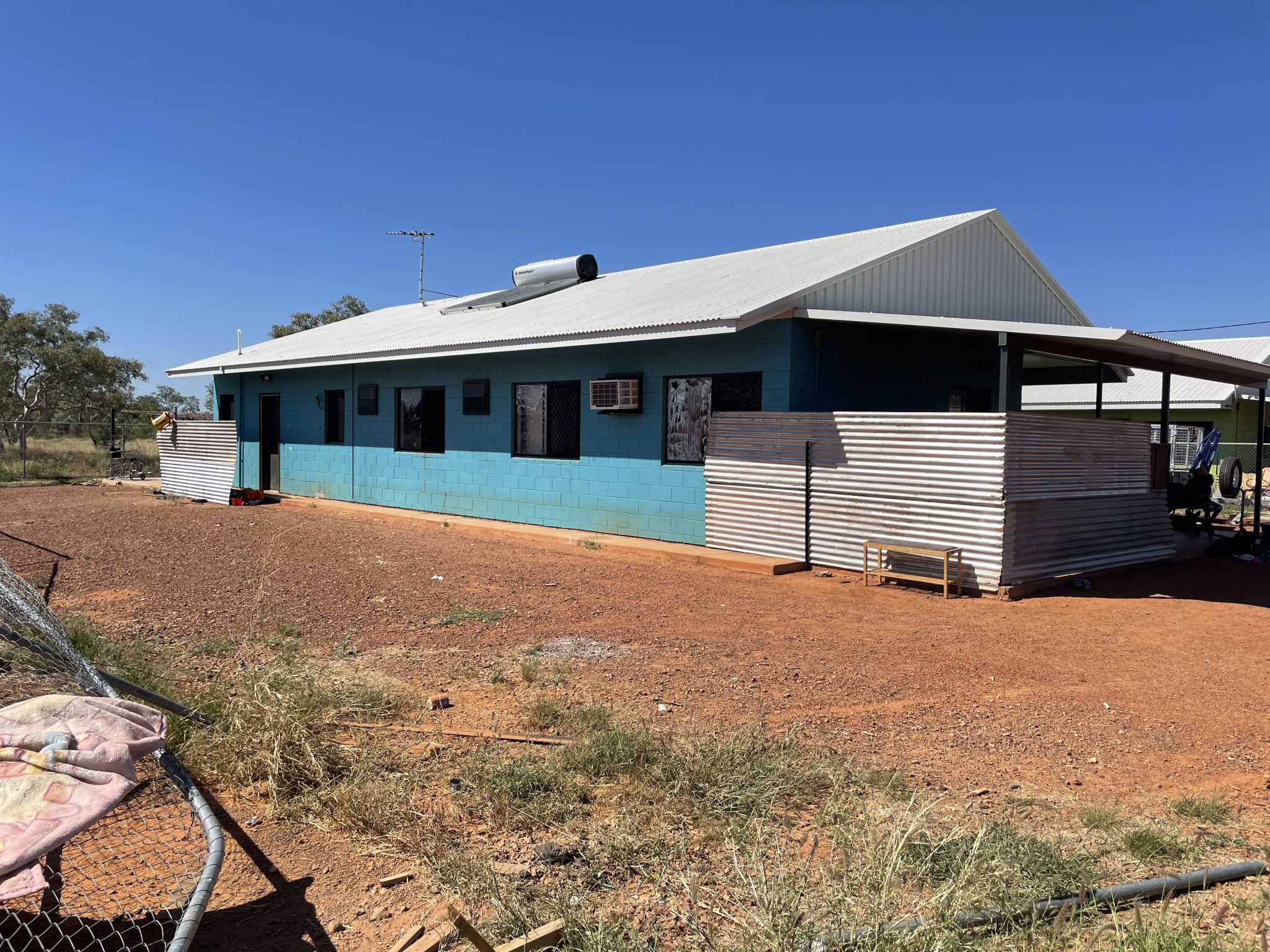
Around 500 kilometres north of Alice Springs, Tennant Creek resident and Warumungu spokesman Jimmy Frank Jupurrurla describes the houses as “prison-like”. Often overcrowded, lacking insulation and kitted with box air-conditioners that can drive electricity bills upwards of $200 per week, Tennant Creek homes are designed unfavourably to culture and climate, which ranges from 12 degrees in winter to over 40 in summer.
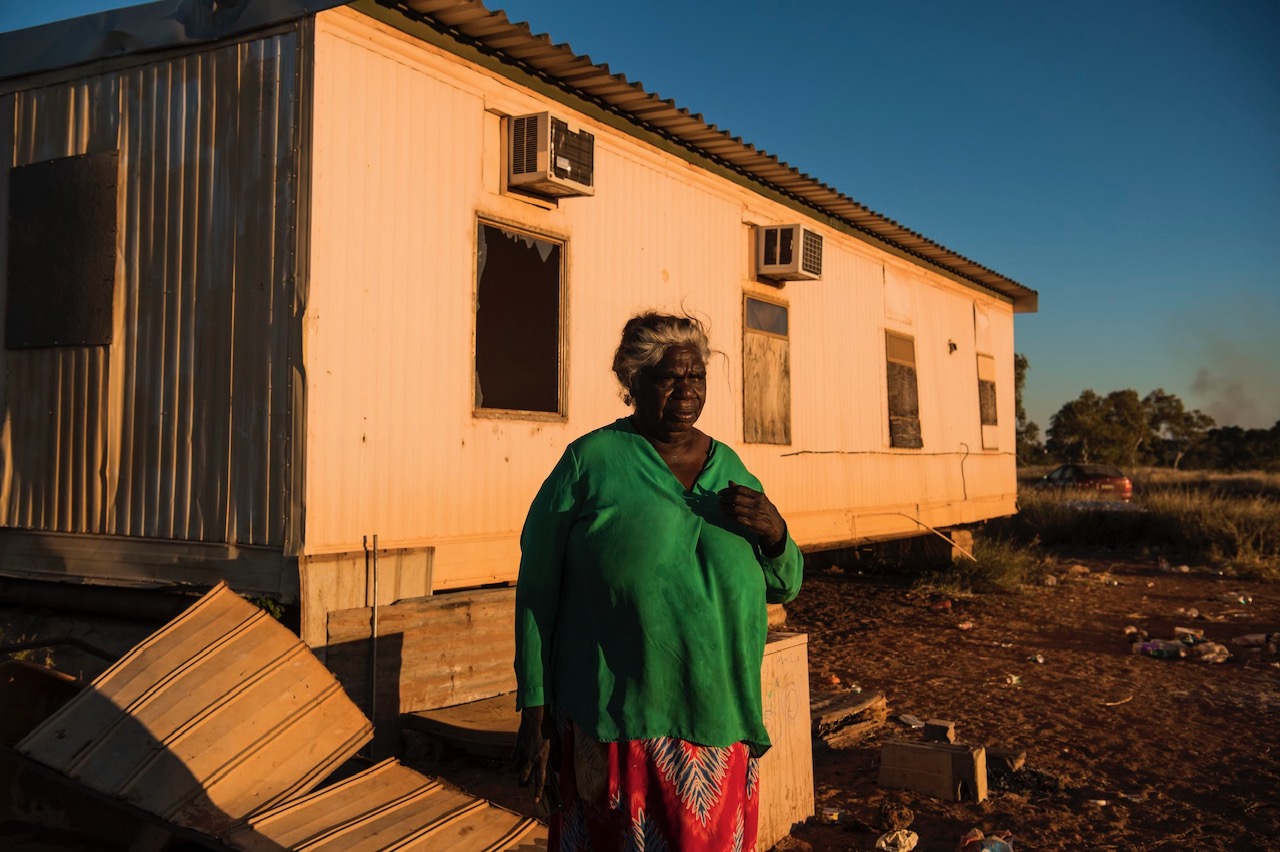
According to Jupurrurla, it’s not just old homes causing problems. His niece’s new $800,000 family residence, delivered by the Government around four years ago, resembles steel-covered, poorly ventilated cells he once saw at a correctional facility.
“It seems like it’s OK for us Aboriginal people to live in a house that is prison-like,” he tells inside, describing children’s exposure to this normality as “one of the saddest things for me personally”.
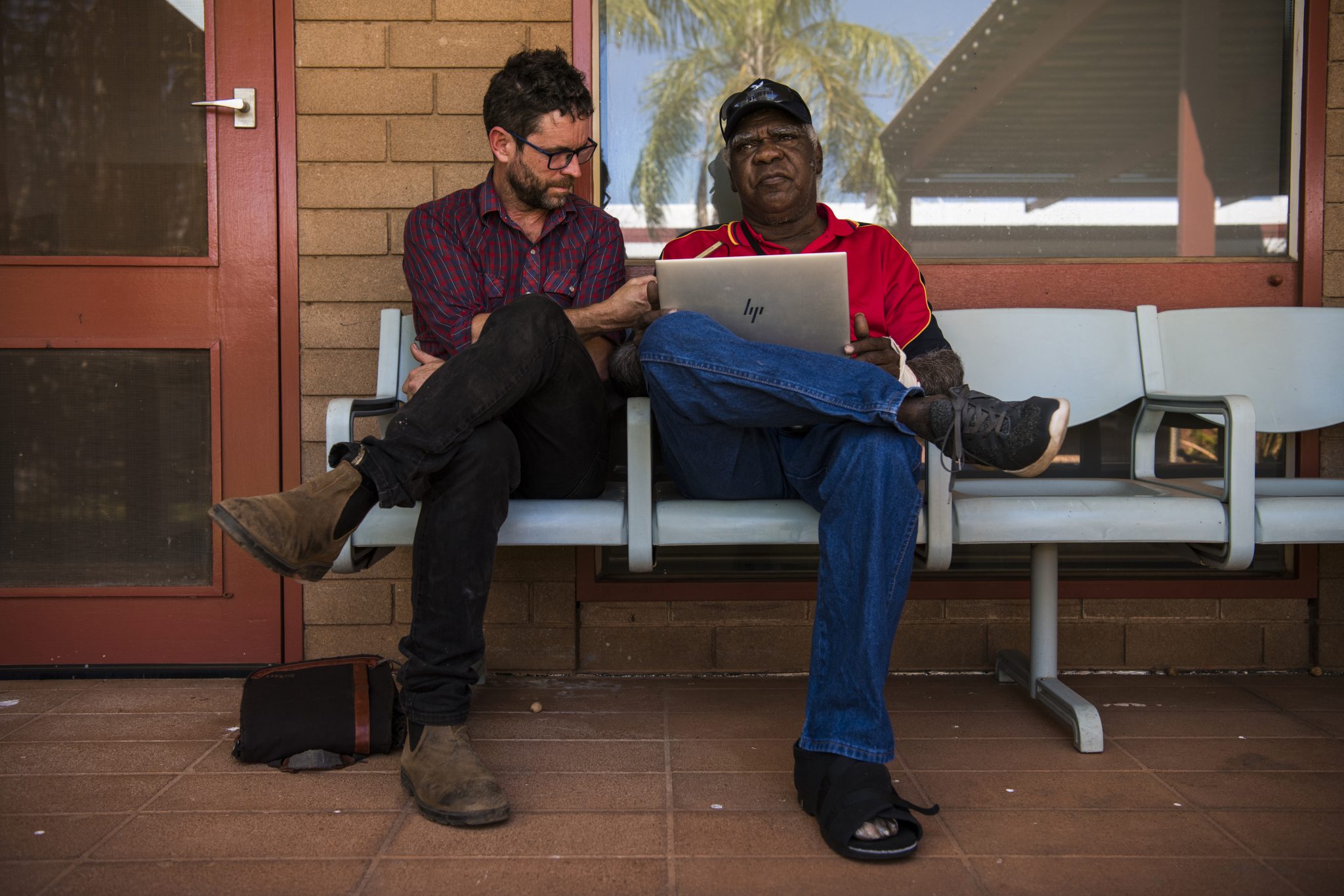
Jupurrurla is part of an initiative to change this. Wilya Janta – meaning ‘standing strong’ in Warumungu language – seeks to reinvent remote housing in Tennant Creek and beyond, creating homes that are both culturally safe and climate-appropriate.
Jupurrurla’s older brother, Norman Frank Jupurrurla, founded Wilya Janta alongside chief operating officer Simon Quilty in 2022. The pair are trusted friends and were former colleagues at a Northern Territory health service.
“In 2006, when I met Norm, I was the doctor and I was given a three-bedroom, architecturally designed house,” Quilty, a non-Indigenous Australian, recalls. “Norm was raising six kids in a tin shed that was maybe five or six metres by five or six metres squared, not insulated.”
Quilty’s desire to improve Aboriginal health outcomes has driven his involvement with Wilya Janta. “The reason I’m giving up medicine is because you can see the houses are causing all of the health problems like rheumatic heart disease,” he says.
According to the Australian Institute of Health and Welfare, First Nations people in Australia have one of the highest recorded rates of rheumatic heart disease (RHD) in the world. The Institute acknowledges that household crowding is associated with Group A Streptococcus bacterial infection risk, which can lead to RHD.
During the sweltering summer months in Tennant Creek, many residents can afford to air-condition only a single bedroom, says Quilty. As in many remote First Nations communities across Australia, households rely on prepaid electricity systems. When the credit runs out, the power disconnects. For those unable to afford a top-up, often the only option is to seek refuge in other homes – a stopgap that exacerbates overcrowding. Compounding the issue, the way houses are designed frequently forces residents to break cultural protocol.
Jupurrurla says his culture is “dying every day”.
“When I look at that little one-year-old or that two-year-old, the world that we live in today, there’s not enough in school, there’s not enough in our community that is practising culture,” he says. “But this is where it should be all starting – at home.”
According to Quilty, governments have not thought to ask Aboriginal people in remote communities how their homes could align with cultural needs. Instead, houses have been delivered with white nuclear families in mind.
“That completely ignores things like cultural avoidance relationships and also that families live in a more communal way,” he says. “What Norm and I realised over the last 20 or 30 years – and what everyone here will tell you – is that the way that the government is delivering houses is getting worse and not better.”
The urgency of the matter is heightened by the Australian and Northern Territory Governments’ $4 billion commitment to improving housing in remote NT, aiming to deliver up to 2700 houses by 2034. “This $4 billion that is on the table now for remote housing is a once-in-a-generation opportunity to really close the gap,” Quilty says.
To demonstrate how housing could be better, Wilya Janta is placing the tenant at the heart of the design process. The not-for-profit hopes to prove the feasibility of this approach by building a lived-in display ‘village’ in Tennant Creek.
In line with Warumungu tradition that sees women design town camps, Norman Frank Jupurrurla’s wife Serena Morton Napanangka has designed the first of three homes set for the Wilya Janta village. All going to plan, her new home will serve a dual purpose: as an ‘Explain Home’ for the community to experience well-considered design and for housing funders to see what is possible with the money being spent.
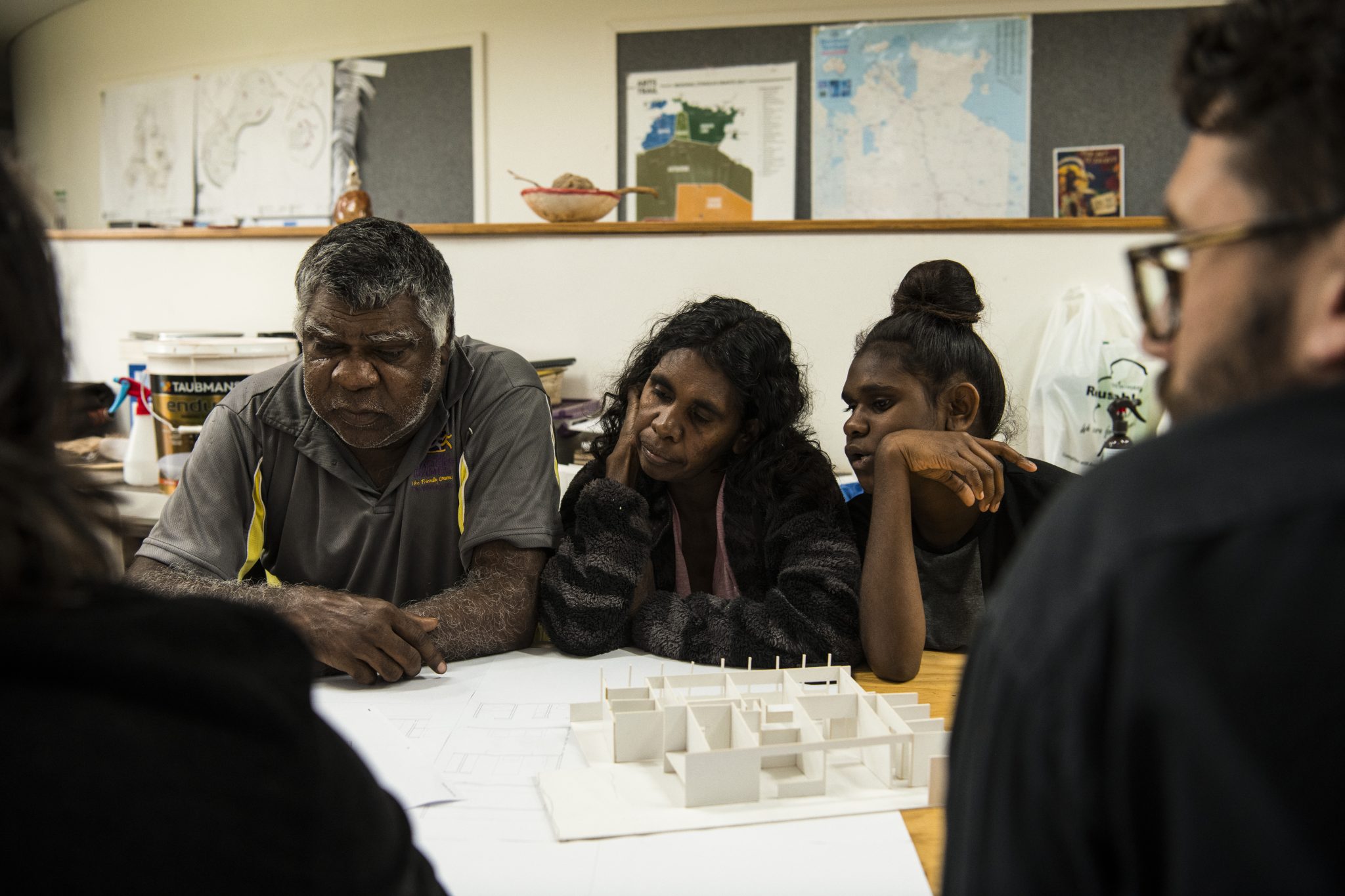
Napanangka designed her home with support from Melbourne-based not-for-profit design and research practice OFFICE. Other collaborators include Troppo Architects, Paul Memmott, CSIRO, Original Power, Trident Plumbing, Reece Plumbing and SHAPE Australia. Quilty stresses that the process is not one of ‘co-design’, but ‘supported design’ and ‘Aboriginal design’.
OFFICE’s managing directors Steve Mintern and Simon Robinson say their role has included translating the designs and conversations into buildable documents. The process is one of a ‘standard’ client-architect relationship, they emphasise, unique only because no one has listened to Aboriginal people in Tennant Creek about their housing preferences until now. “Go and ask people how they want to live; design a house for them,” Mintern says. “It’s not rocket science necessarily, but for some reason people don’t want to do it with Aboriginal people.”
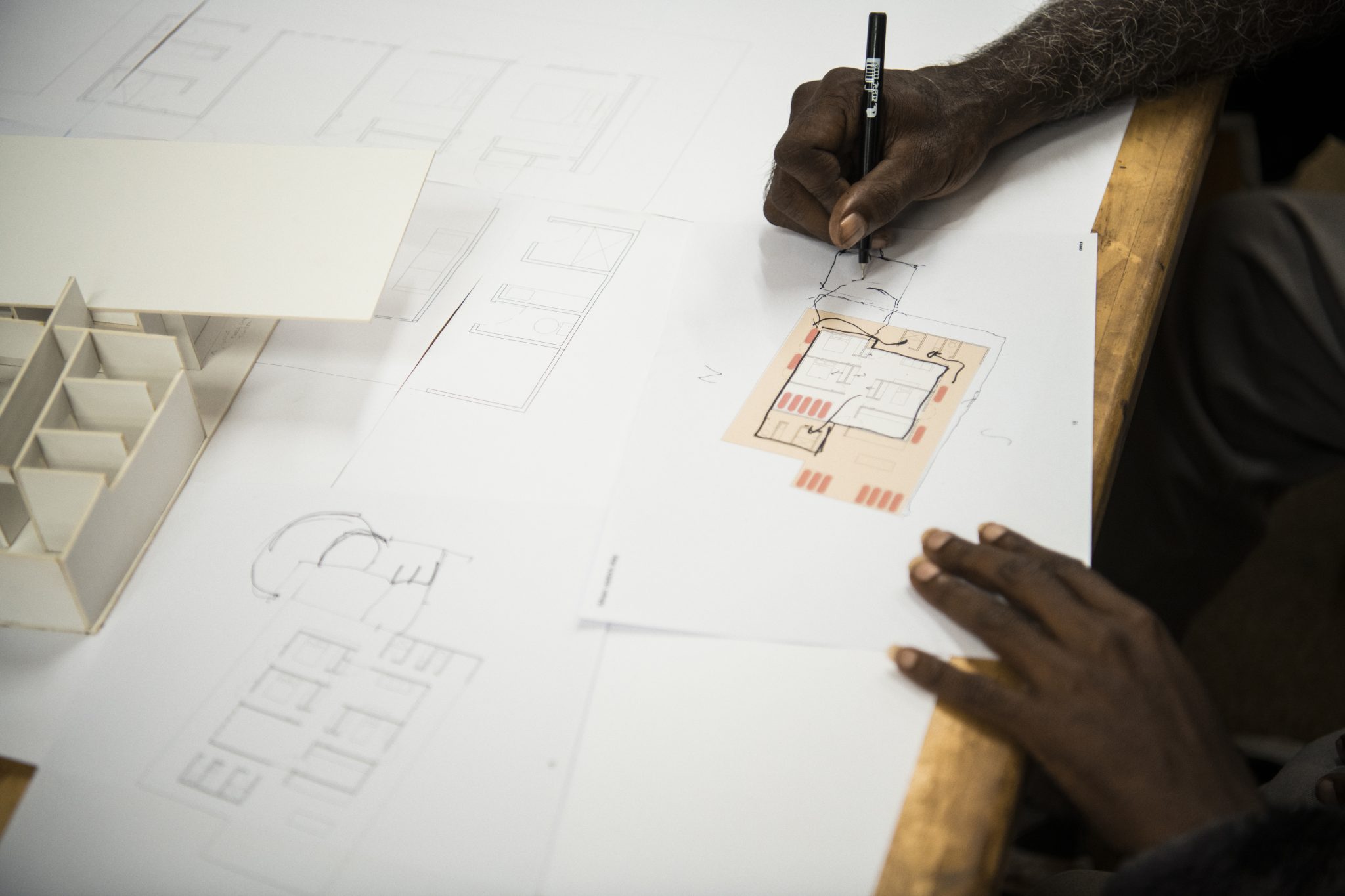
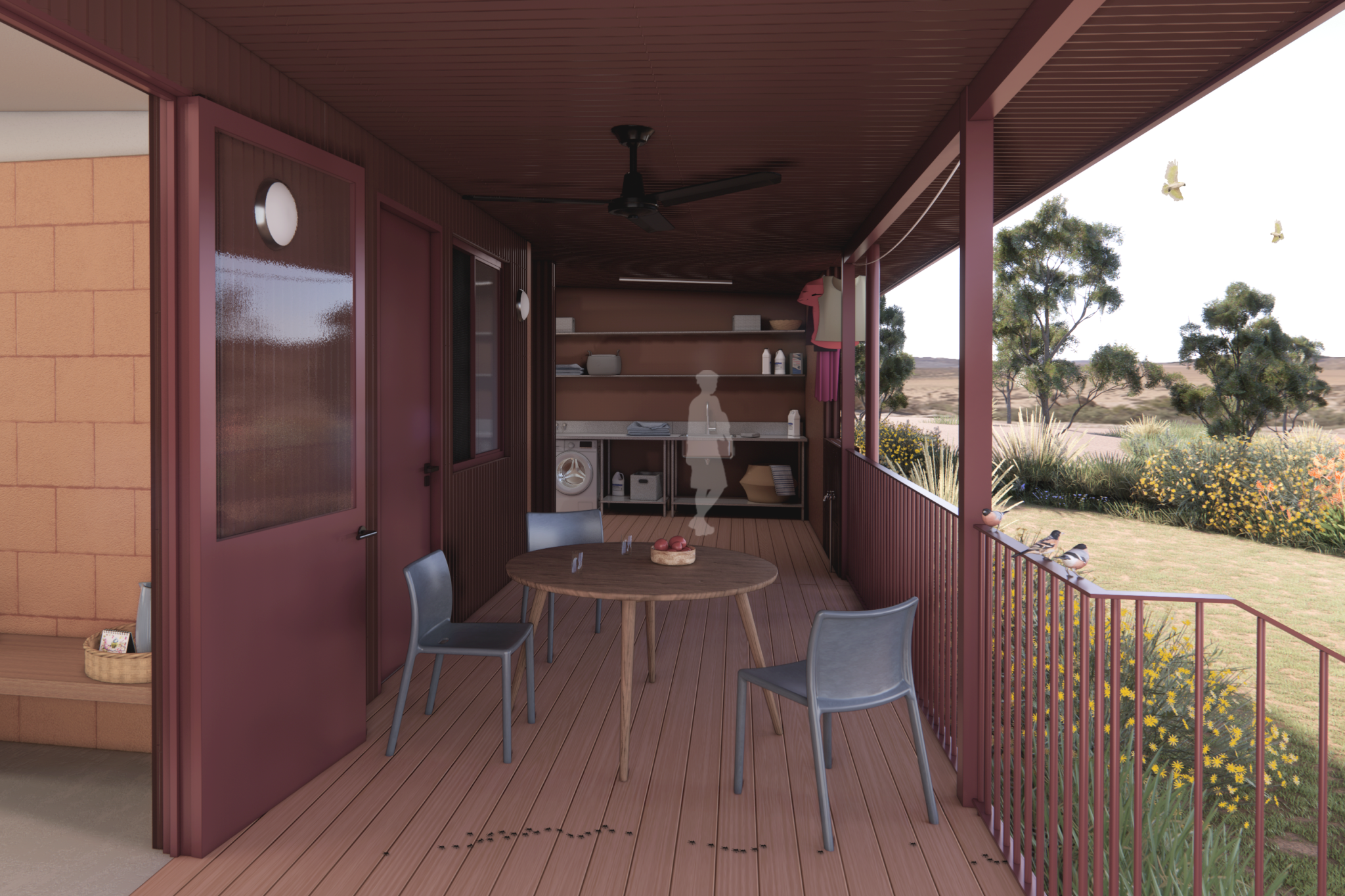
Quotes from those stakeholder conversations are embedded in OFFICE’s sketches for Napanangka’s home, reflecting the cultural justifications behind the layout. One such detail shows all beds oriented with heads to the east and feet to the west. “That’s the way we, everybody, all grow up, even in the bush. And that’s how we need to sleep,” a note reads. The verandah is two mattresses deep to accommodate up to 20 family members who will regularly visit for events throughout the year: “In hot weather they will all sleep outside for the breeze.”
Two kitchens and three toilets account for high use as well as cultural avoidance practices. “You can’t be using the same kitchen, same shower and toilet as your mother-in-law, your in-laws,” Jupurrurla explains, adding that houses he has lived in have made it “very hard” to locate his mother-in-law before he can enter.
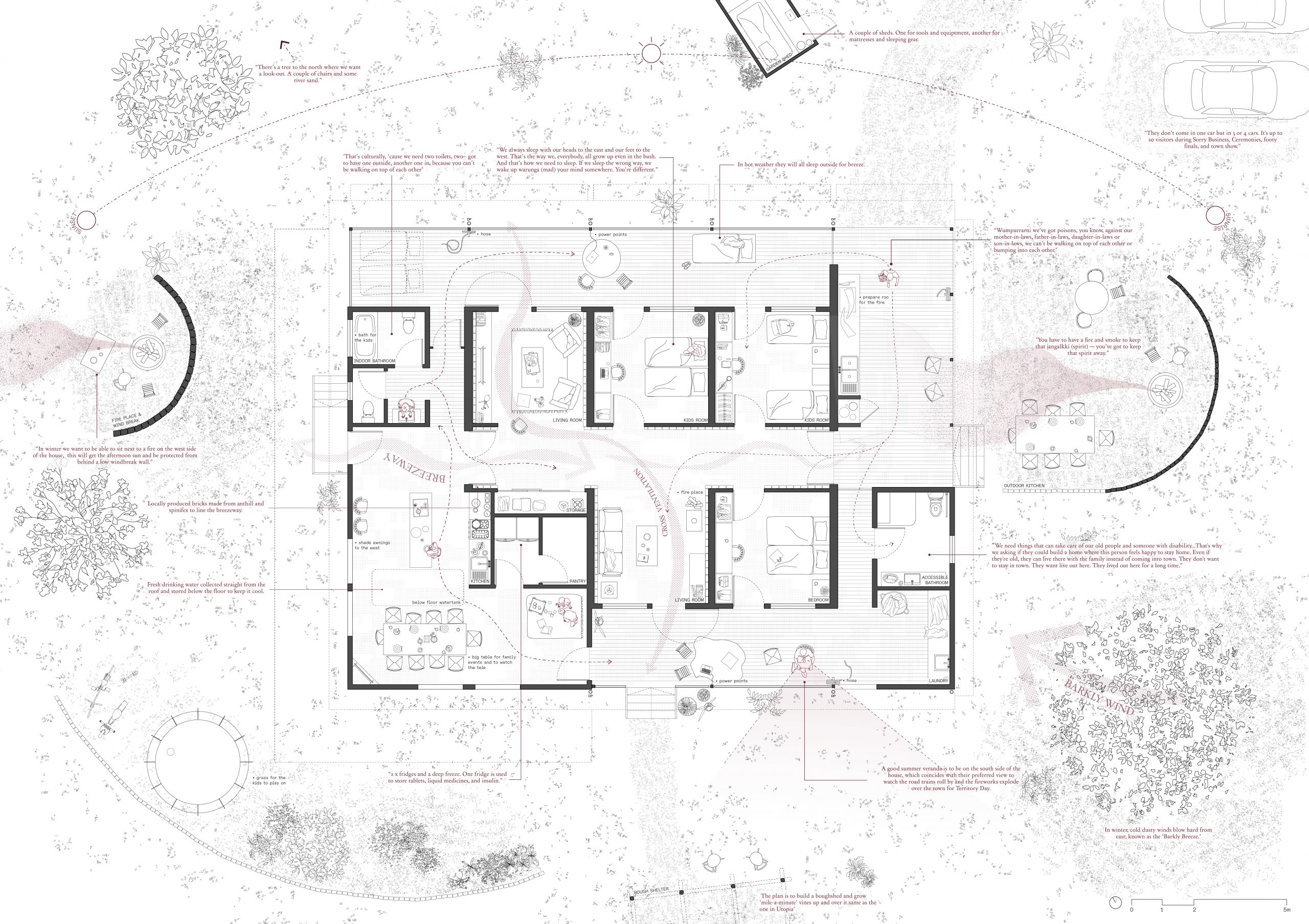
OFFICE’s sketches for the first Explain Home are embedded with quotes reflecting the cultural and environmental justifications behind the layout.
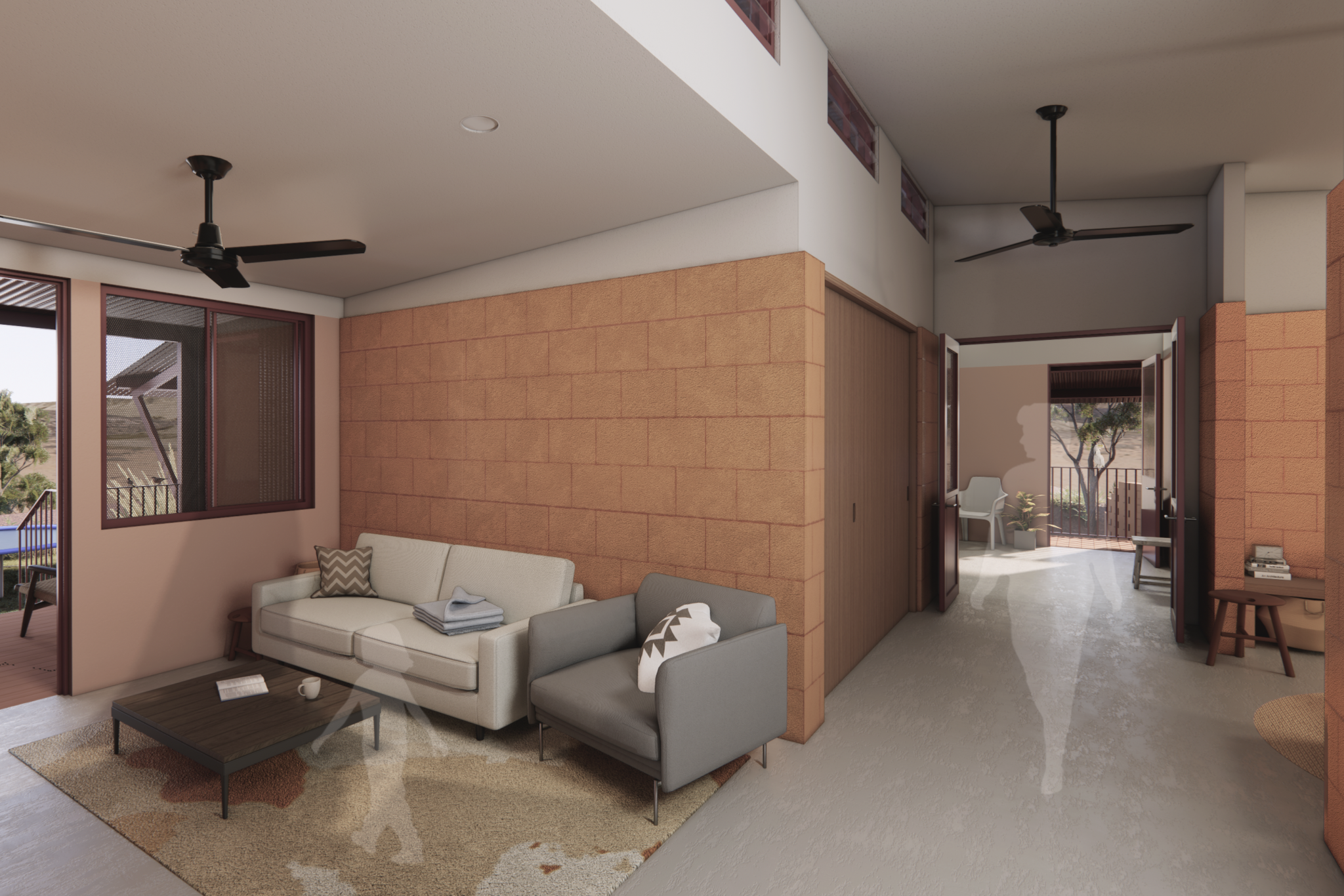
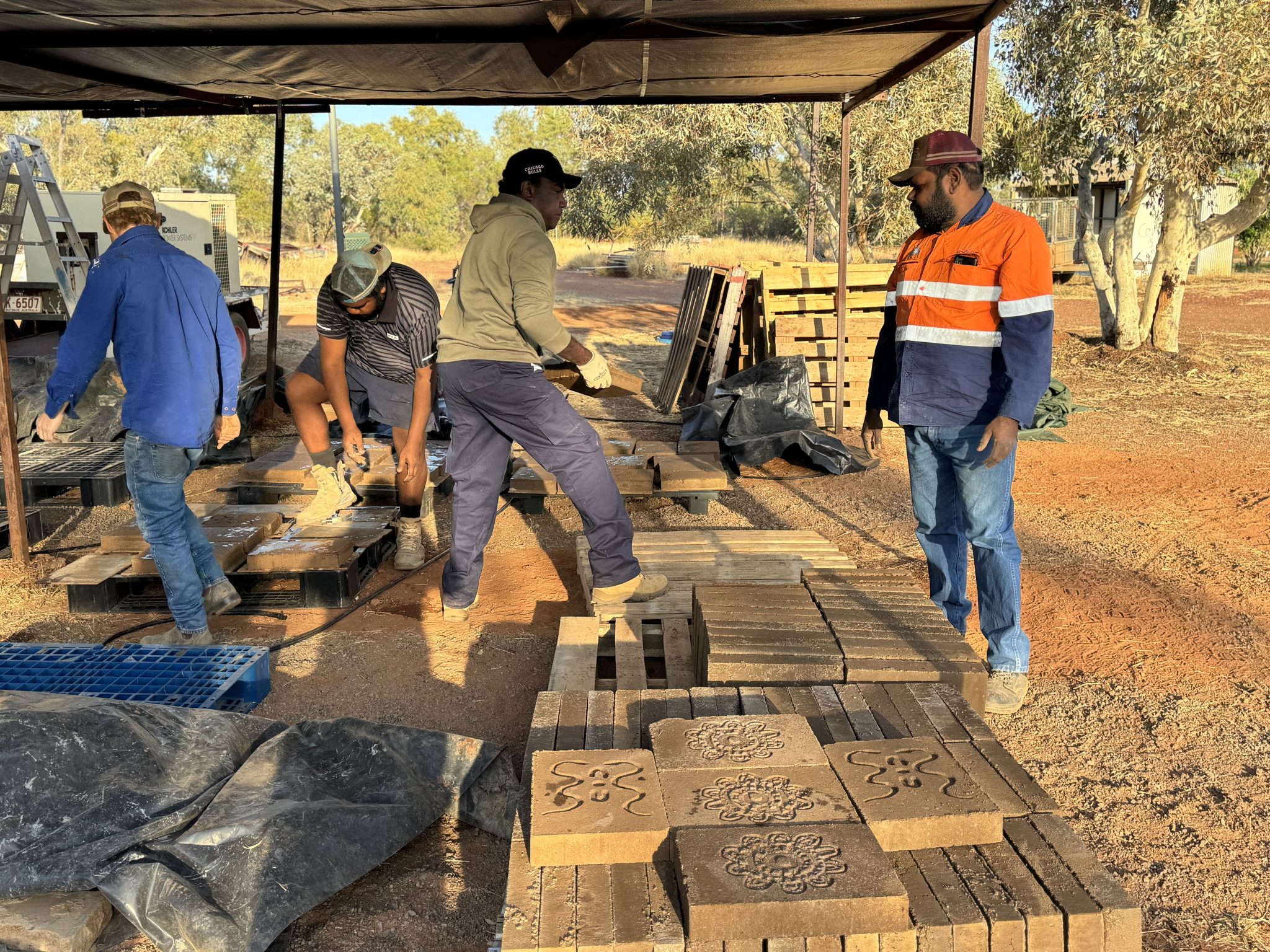
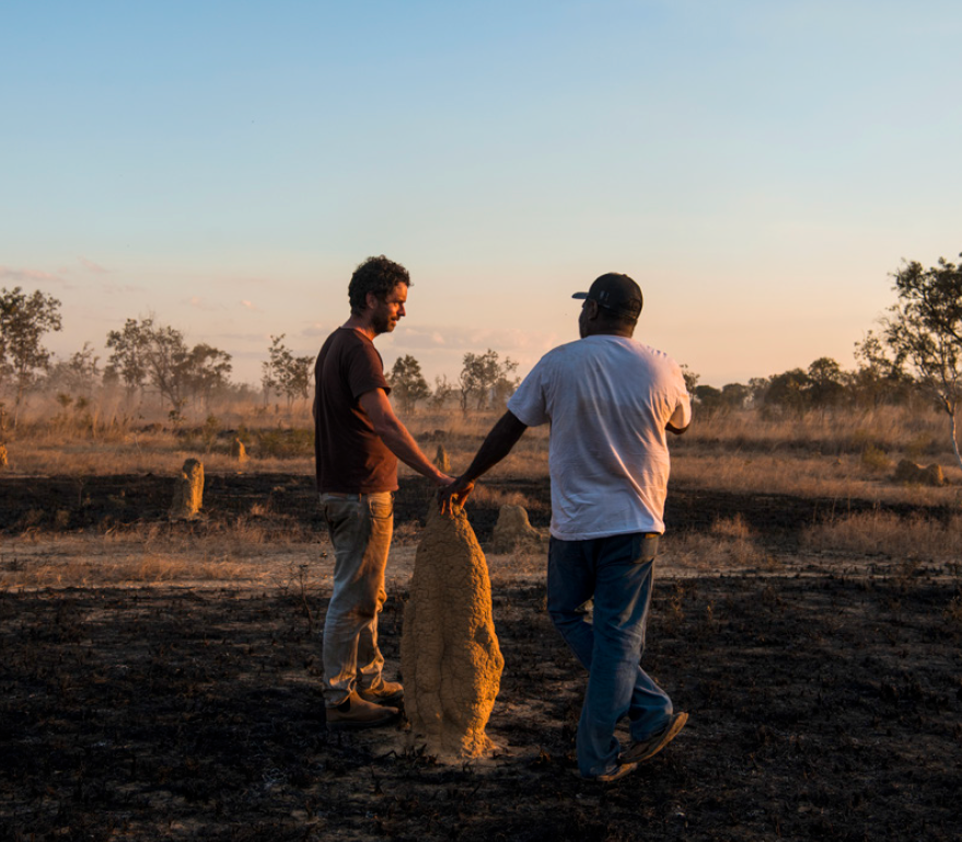
Some of the environmental design decisions in Napanangka’s home include a long central breezeway lined by mudbricks, which are being made locally from termite mounds and spinifex, creating community employment opportunities. Sketches show the breezeway allows for cross-ventilation and fire smoking practices. Meanwhile, fresh drinking water collected from the roof is stored below the floor to keep it cool.
CSIRO has undertaken the NatHERS energy ratings and provided advice to Wilya Janta about thermal performance. The organisation tells inside that elements of the original design were conducive to high thermal performance, including functional external shading, and ceiling/roof heights and profiles that maximise heat purging.
“It turns out from a scientific point of view, of course, Serena understood her environment better than anyone else,” Quilty says. This is despite Napanangka being unaware of the meaning of the word ‘design’ at the start of the process. “I had to drive down to the newsagent in Tennant Creek and buy a copy of Home Beautiful,” Quilty recalls. “I got home and I showed it to her. I was flicking through the pages, [asking], ‘Where do you want your kitchen?’ Looking through this book, it was like the penny dropped for her and she suddenly realised.”
Renders of Napanangka’s new home reveal a spacious, maroon household with connected indoor and outdoor areas, set among a planted landscape featuring windbreaks and places for gathering. At the time of writing, SHAPE is constructing her home in Adelaide before it is transported to Tennant Creek in December 2025. This limits the time builders are on-site in Tennant Creek, significantly reducing construction costs.
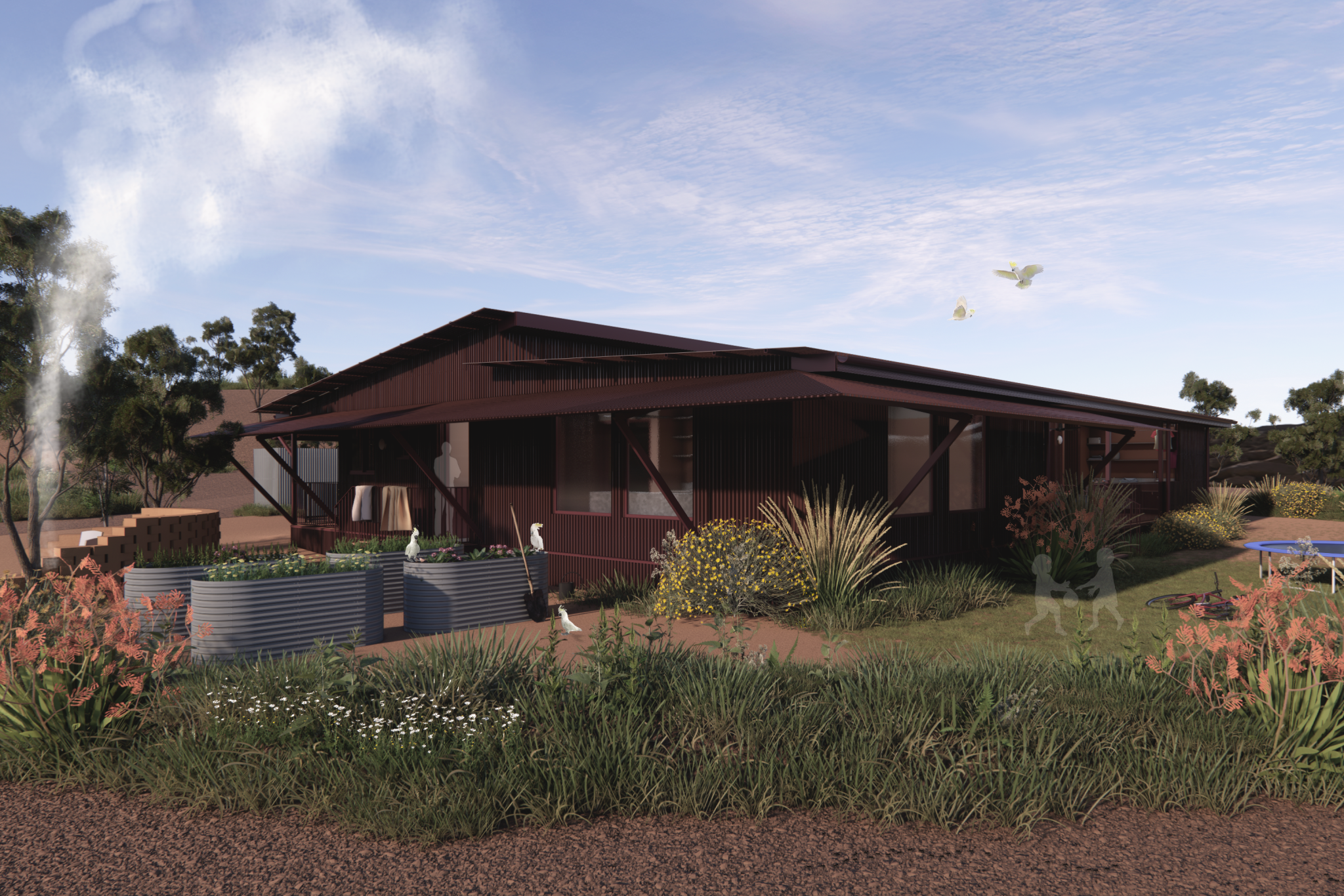
Lessons from the first Explain Home have shaped the two that followed – designed by and for Patricia Frank Nurururla and Diane Stokes Nampin respectively – improving on buildability, cost-effectiveness and thermal performance. In partnership with universities and the CSIRO, Wilya Janta is also developing frameworks for evaluating the completed houses from technical, health, socio-cultural and economic standpoints. Wilya Janta is currently fundraising to build the third home.
Through the Explain Home Village, Wilya Janta hopes to establish something that both the local community and visitors from other remote regions can look to and say, “That is what I want”. With proven viability of the iterative model in Tennant Creek, the organisation will then seek formal partnerships with the NT Government and Community Housing Providers to assist in broad adoption of the model for delivery of community- directed housing.
What they’re developing is not a copy- paste model of houses for all Indigenous communities, but a replicable design process that centres community agency.
“We want to be really clear that there’s no ‘one-size-fits-all’ for Aboriginal people,” Quilty says. “There needs to be some choices, and community needs to be engaged. That doesn’t mean that every single new house built in remote communities needs to have architectural design inputs into it, but there does need to be an acknowledgement that Aboriginal families are diverse and complex and have different needs.”
From Arnhem Land to Uluru, families may differ, but according to Jupurrurla, the same challenges are pervasive. Wilya Janta’s proposal could offer communities part of the solution.
“[For us] Aboriginal people, when you look at the Northern Territory and you look at the challenges, all the problems – the health and everything – starts from home,” he says. “It’s about all of us identifying the problem, finding the solution and then how to deal with it. This is really ‘Wilya Anyul Janta’ – all of us stand strong together.”
This article originally appeared in inside magazine issue 122. Grab a copy here.
You Might also Like


Related Stories

© Niche Media 2026