

Charles Darwin University’s Centre for Better Health Futures considers context and connection
Charles Darwin University’s Centre for Better Health Futures considers context and connection

Share
ARCH, Ashford Lamaya Architects, Hames Sharley and Studio BE are all behind the design of Charles Darwin University (CDU)’s new $30.8 million health teaching and training facility.
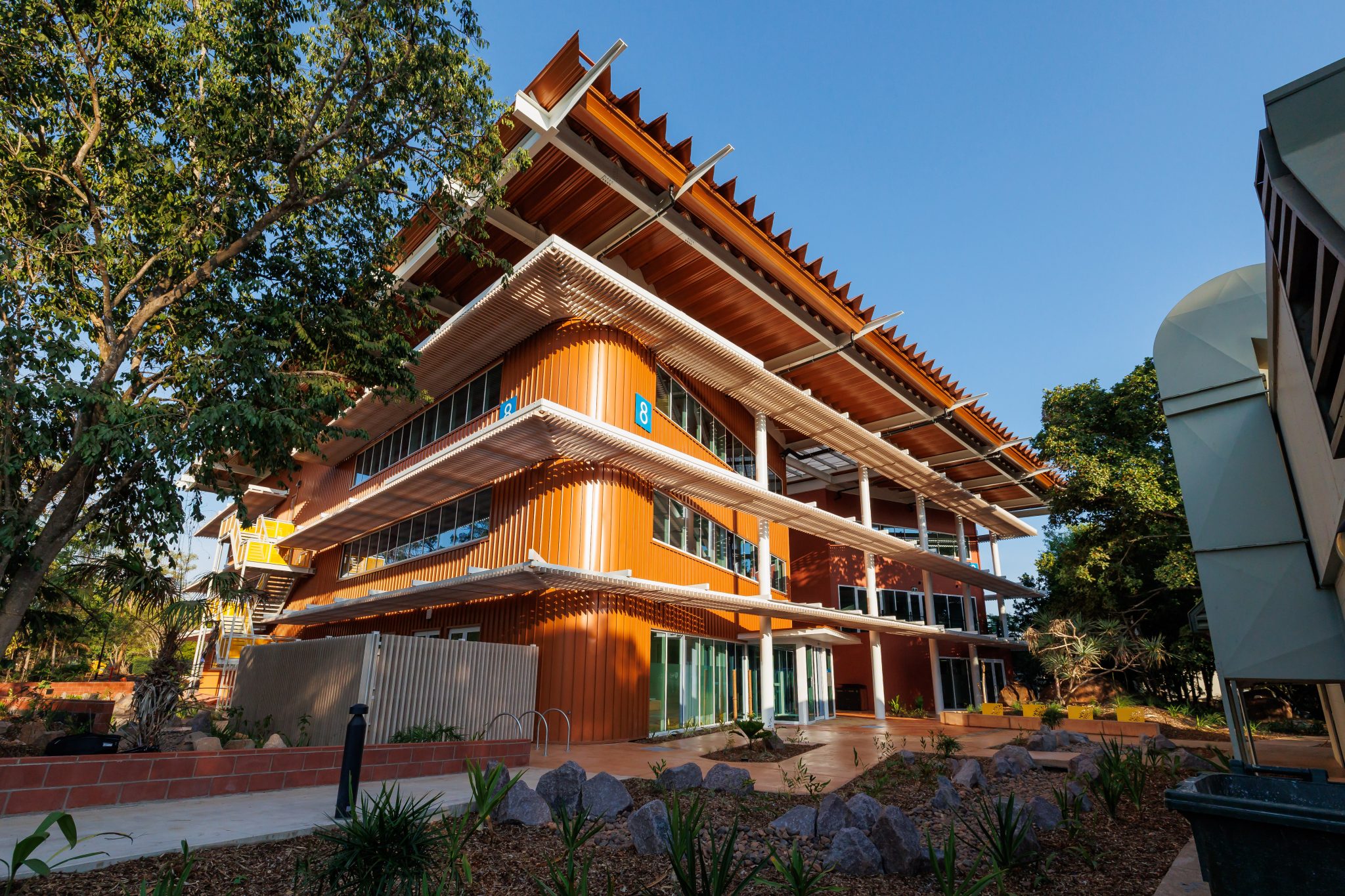
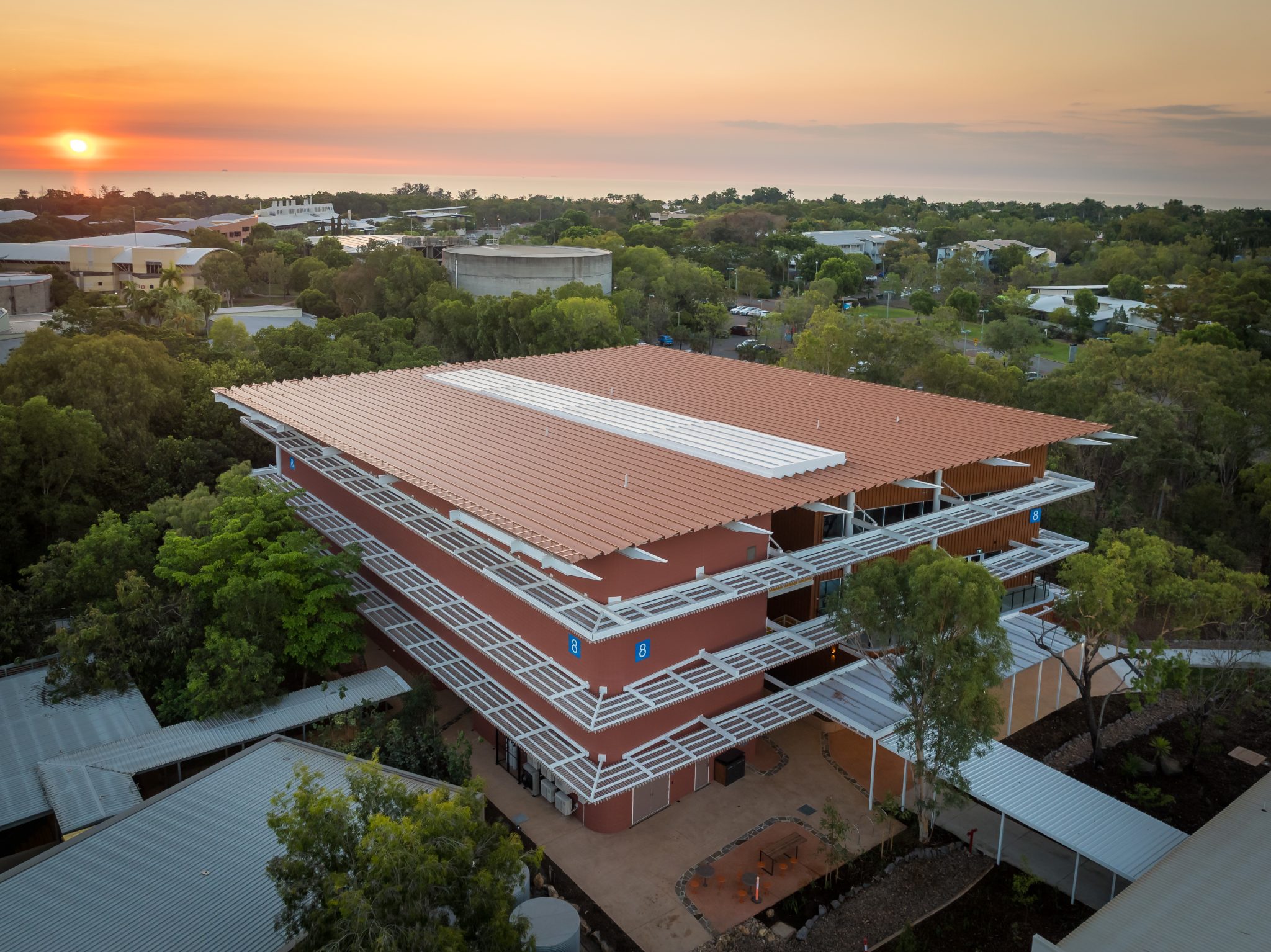
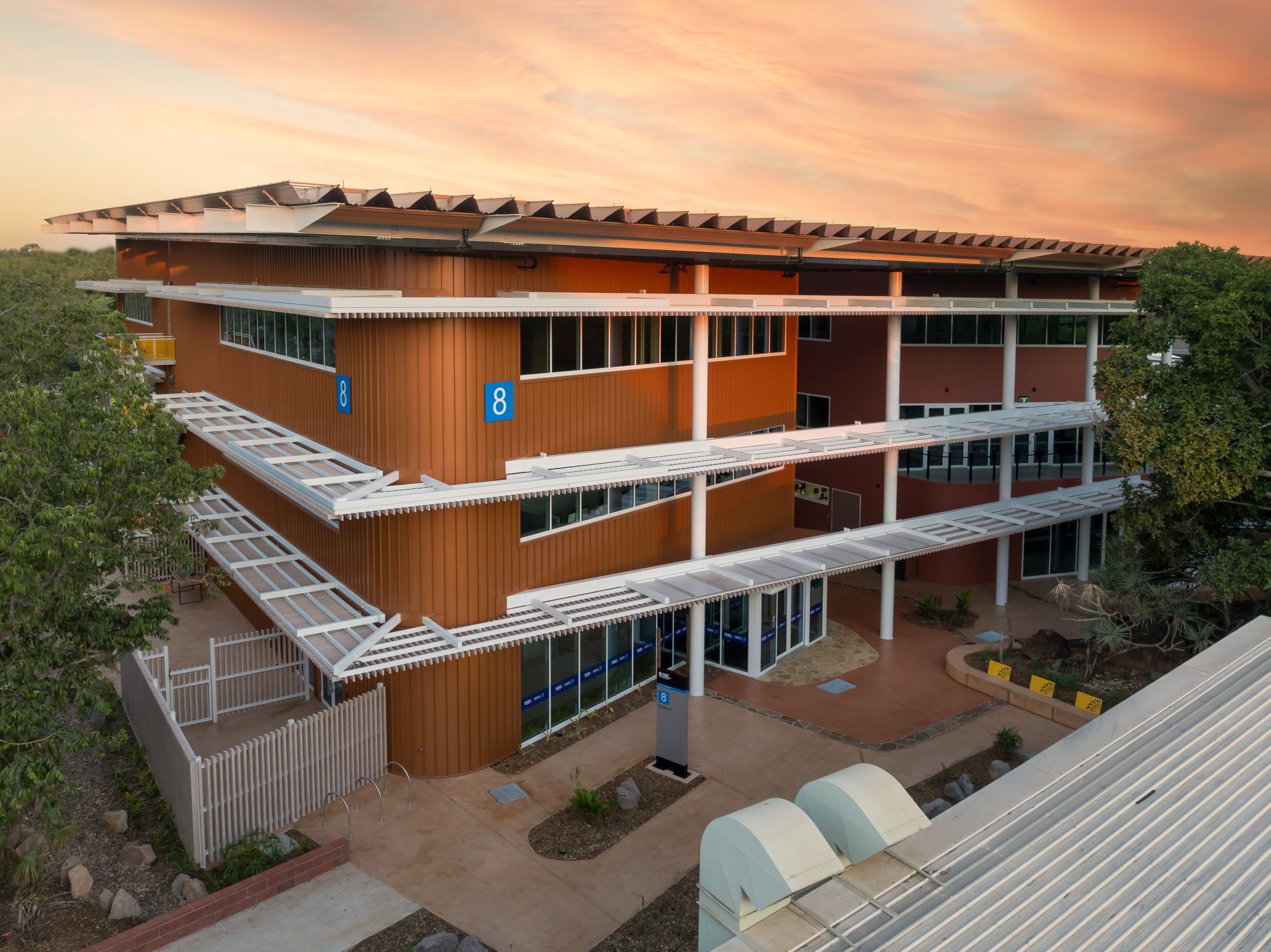
Located at CDU’s Casuarina campus in Darwin, the 3684-square metre, three-storey facility gathers high-tech teaching spaces, laboratories and research infrastructure under one roof.
The centre features a simulated emergency department and a 12-bed hospital ward, offering students experience in real-world clinical settings. It houses preclinical and clinical simulation environments equipped with virtual reality and mobile technologies to enable the university to connect cohorts across CDU campuses in Nhulunbuy, Katherine and Alice Springs. The building is also home to CDU’s new School of Medicine, which will deliver medical education and research programs to help address the Northern Territory’s need for a skilled, locally trained health workforce.
ARCH and Ashford Lamaya Architects (ALA) undertook the briefing, the internal and external concept, and schematic design for the Centre for Better Health Futures. Meanwhile, Hames Sharley and Studio BE were responsible for the final finished design, working closely with construction company SHAPE Australia and CDU to refine and deliver the design with a focus on constructability, technical resolution and user functionality.
“The centre symbolises educational self-determination and highlights Northern Territory innovation, sustainability and identity,” ARCH executive director Scott Chapple and ALA company director Randal Ashford tell Australian Design Review.
The brief
Central to the brief was the challenge of addressing the Northern Territory’s tropical climate.
“Adaptable architecture, climate-responsiveness, strong engagement with the local industry, and a high-quality fitout were seen as essential to establishing the building as a benchmark for community-responsive health education design,” Ashford and Chapple say.
The designers also had to consider the Centre for Better Health Futures’ cultural context. A vibrant social and study hub emerged as a priority to support student retention and nurture belonging among diverse cohorts.
“Prioritising cultural safety and inclusion, particularly in Indigenous health education, was essential, as was creating a flexible, future-ready learning environment,” Ashford and Chapple add. “A robust digital infrastructure was also required to support diverse learning modes and connect students and staff across remote and regional campuses.”
How climate and context influenced the design
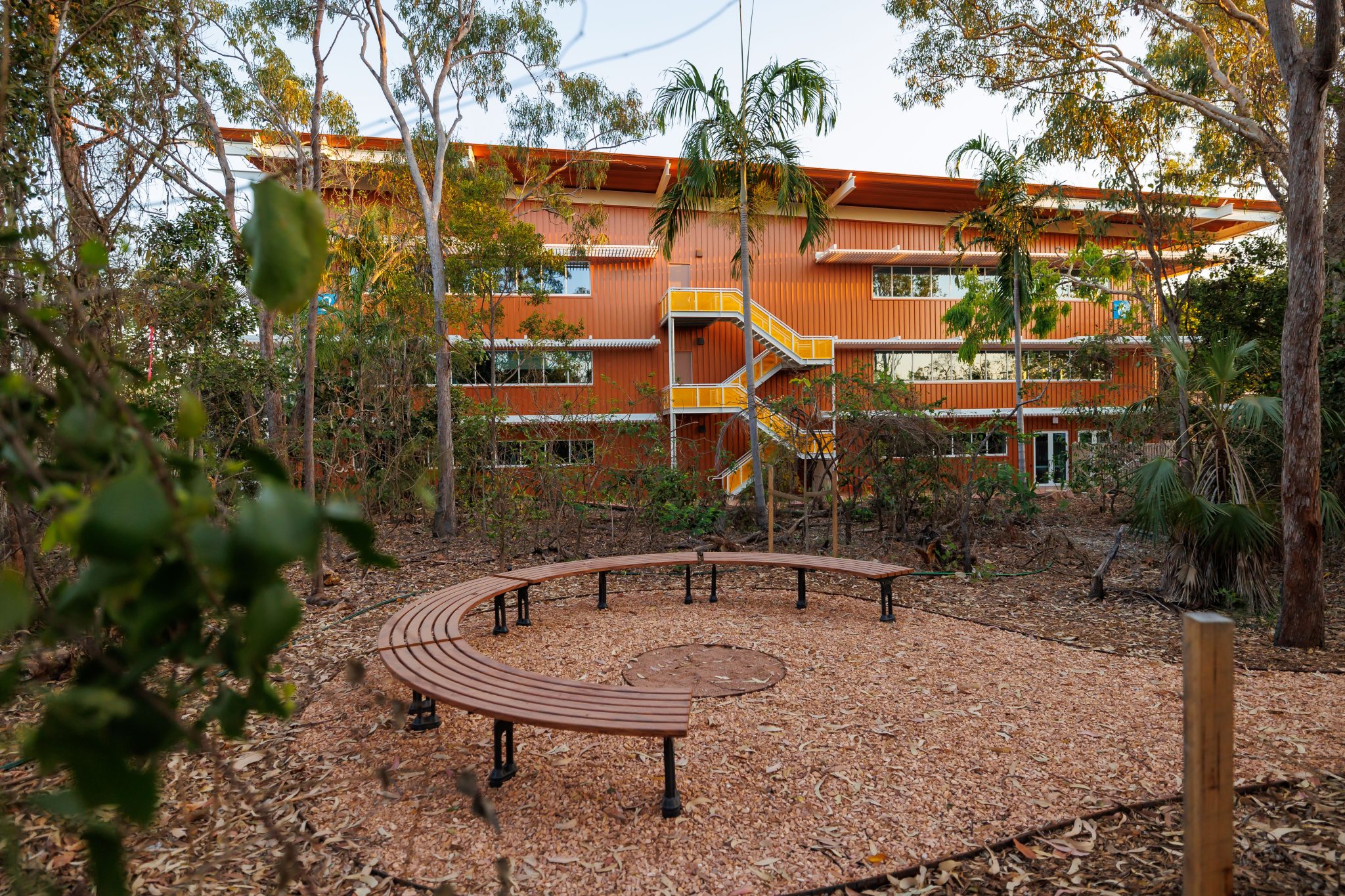
The Centre for Better Health Futures takes material and colour cues from the Top End landscape, helping the building settle naturally into the Casuarina campus.
Externally, terracotta-toned blockwork reflects the earthy reds and clays. According to Ashford and Chapple, these colours simultaneously reduce glare, minimise visible weathering and enhance durability in Darwin’s intense sunlight and humidity.
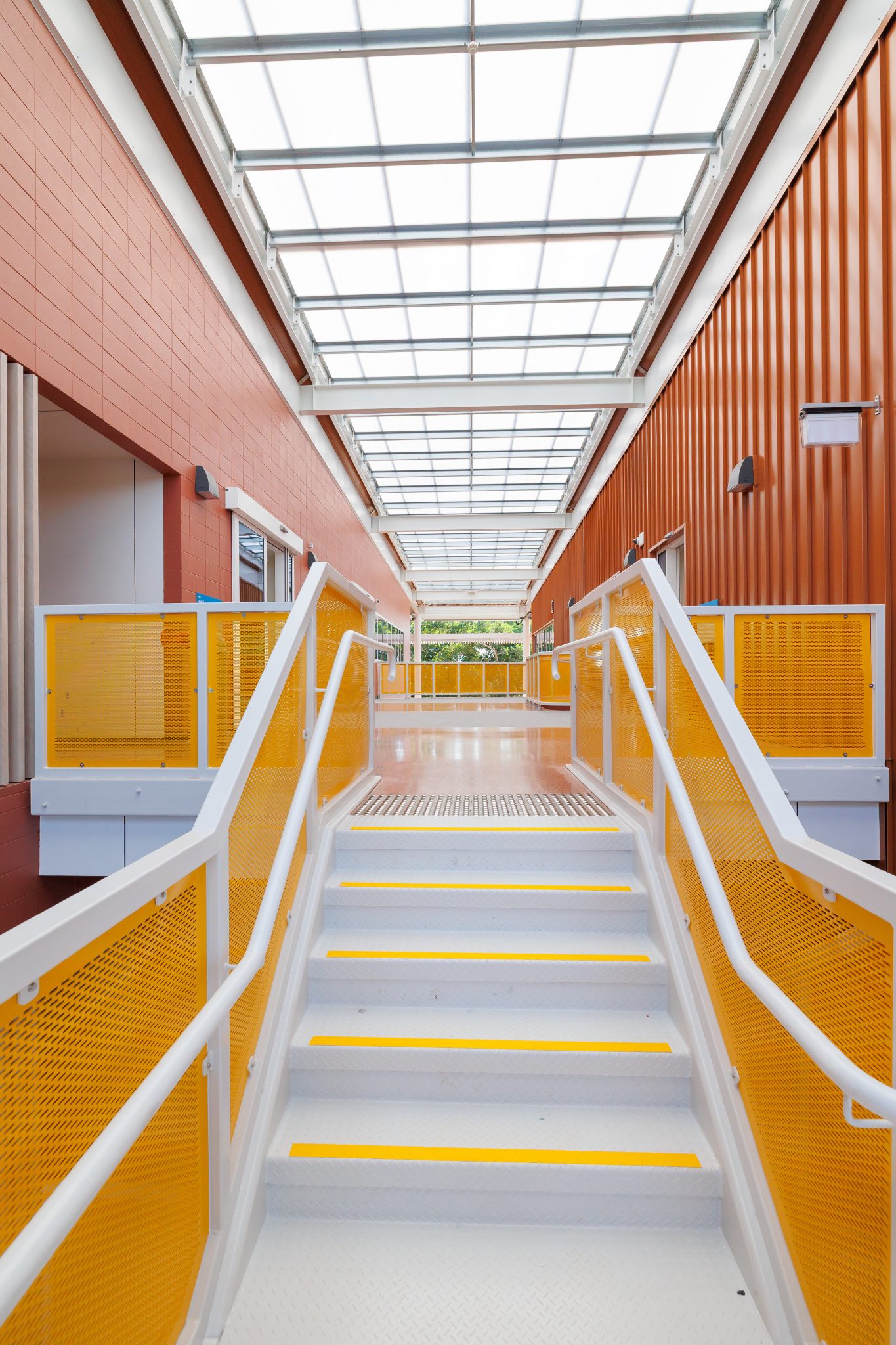
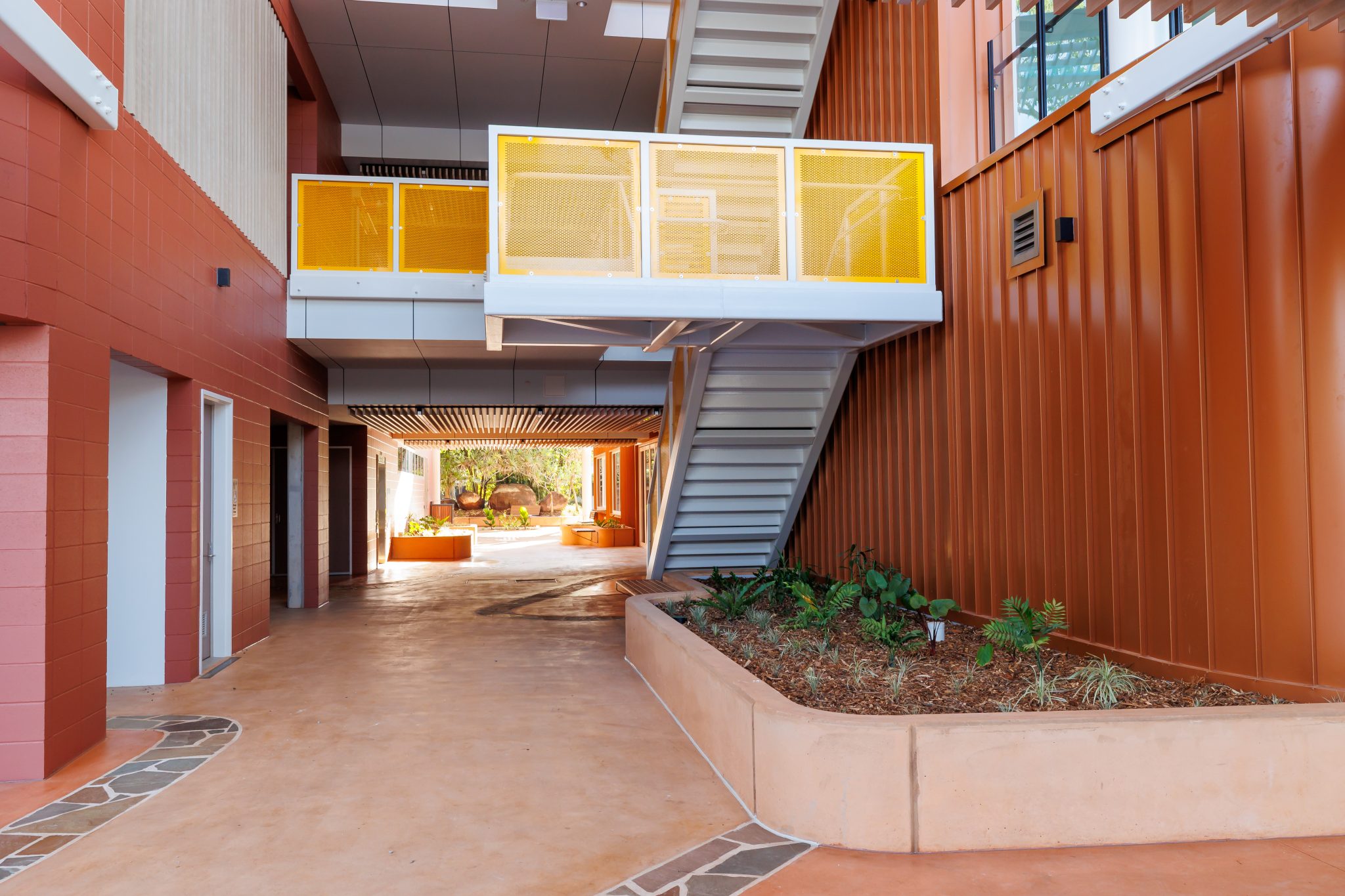
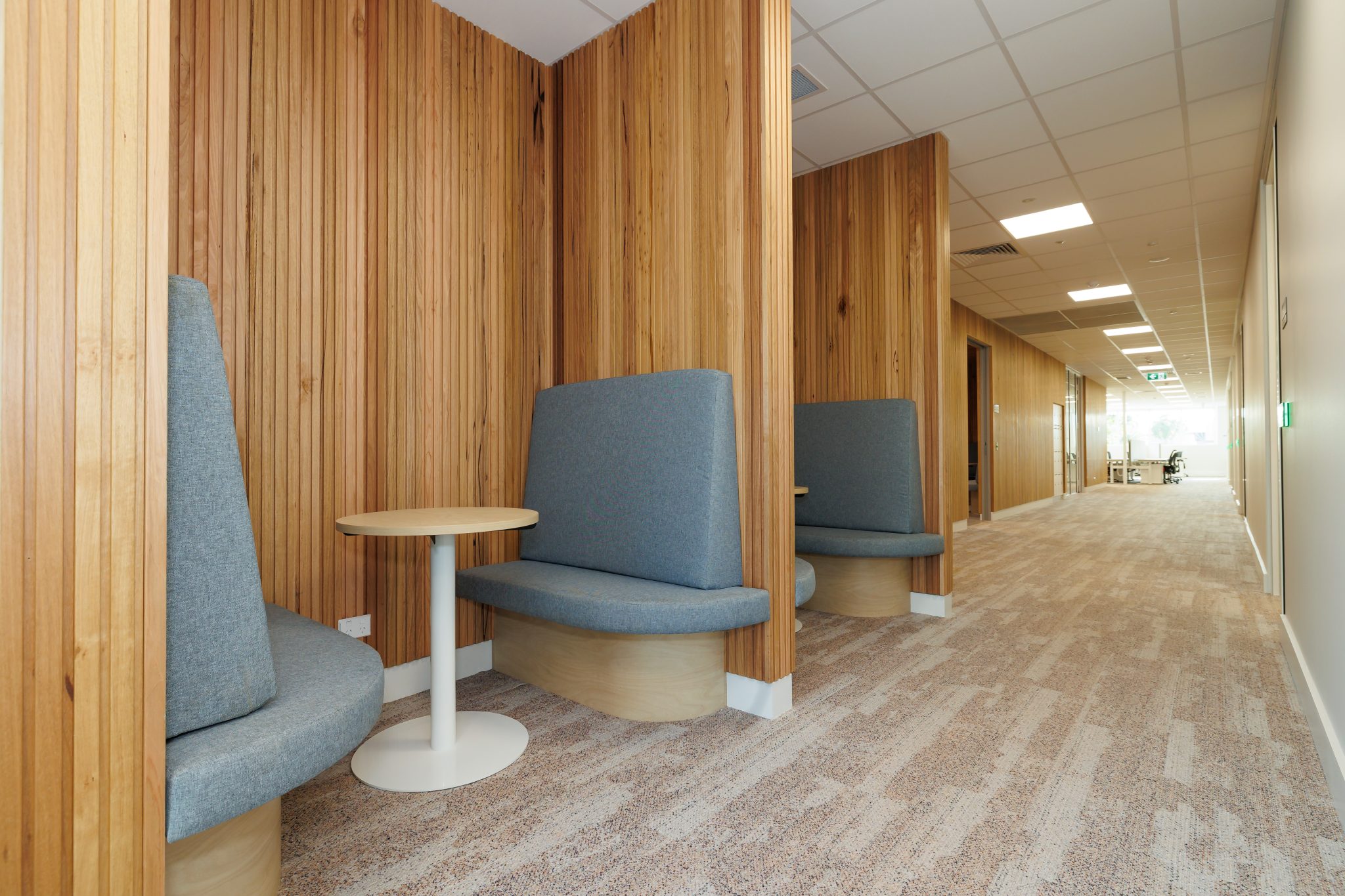
Internally, the restrained, low-saturation palette draws on sunset hues, soft clays, sandy neutrals and warm ochres, complemented by natural timbers chosen to evoke warmth and approachability. Originated by the design architect and developed by StudioBE and Hames Sharley, the interior design seeks to promote a sense of calm, clarity, wellness and reflection within a high-performance learning environment.
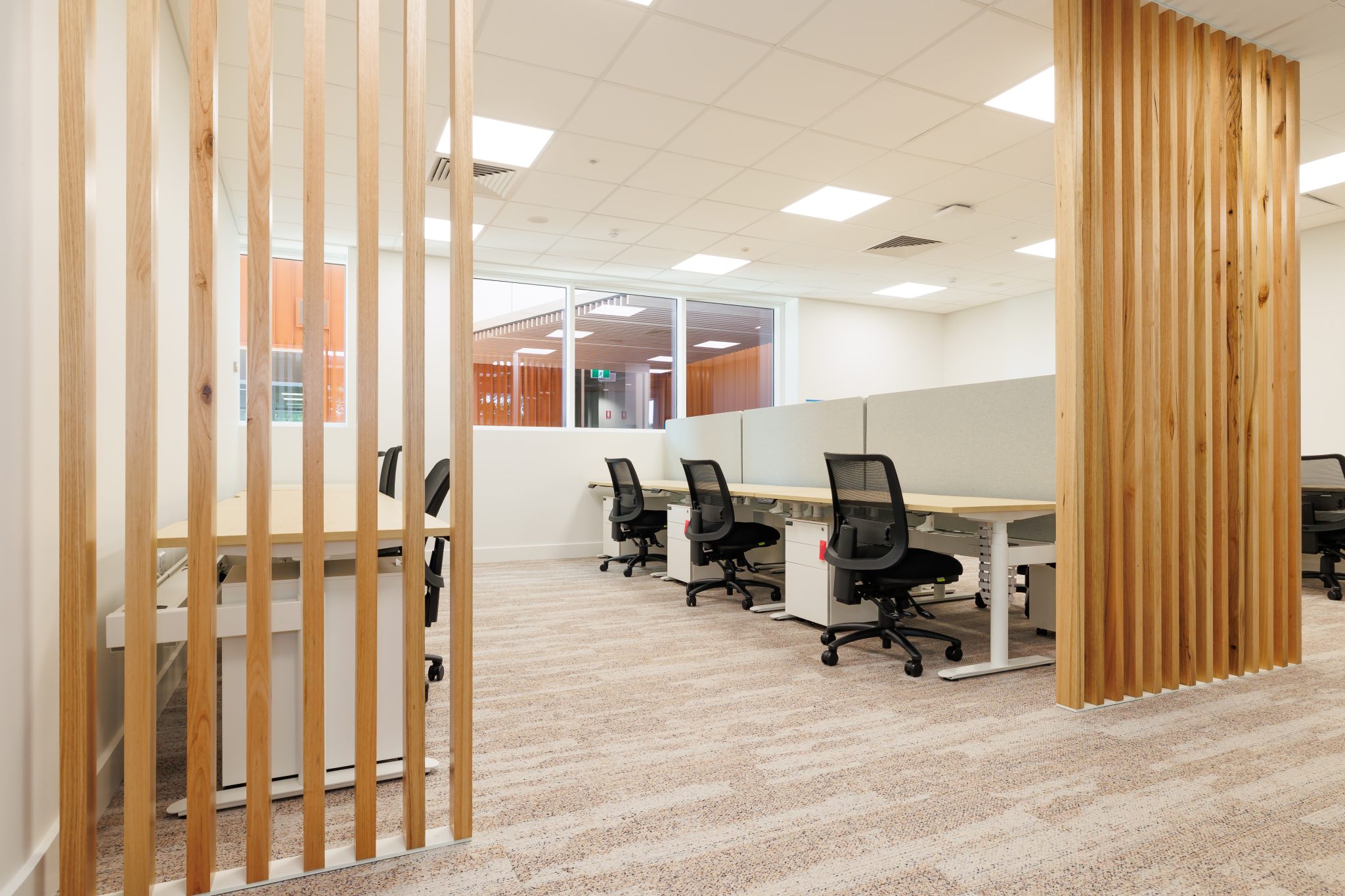
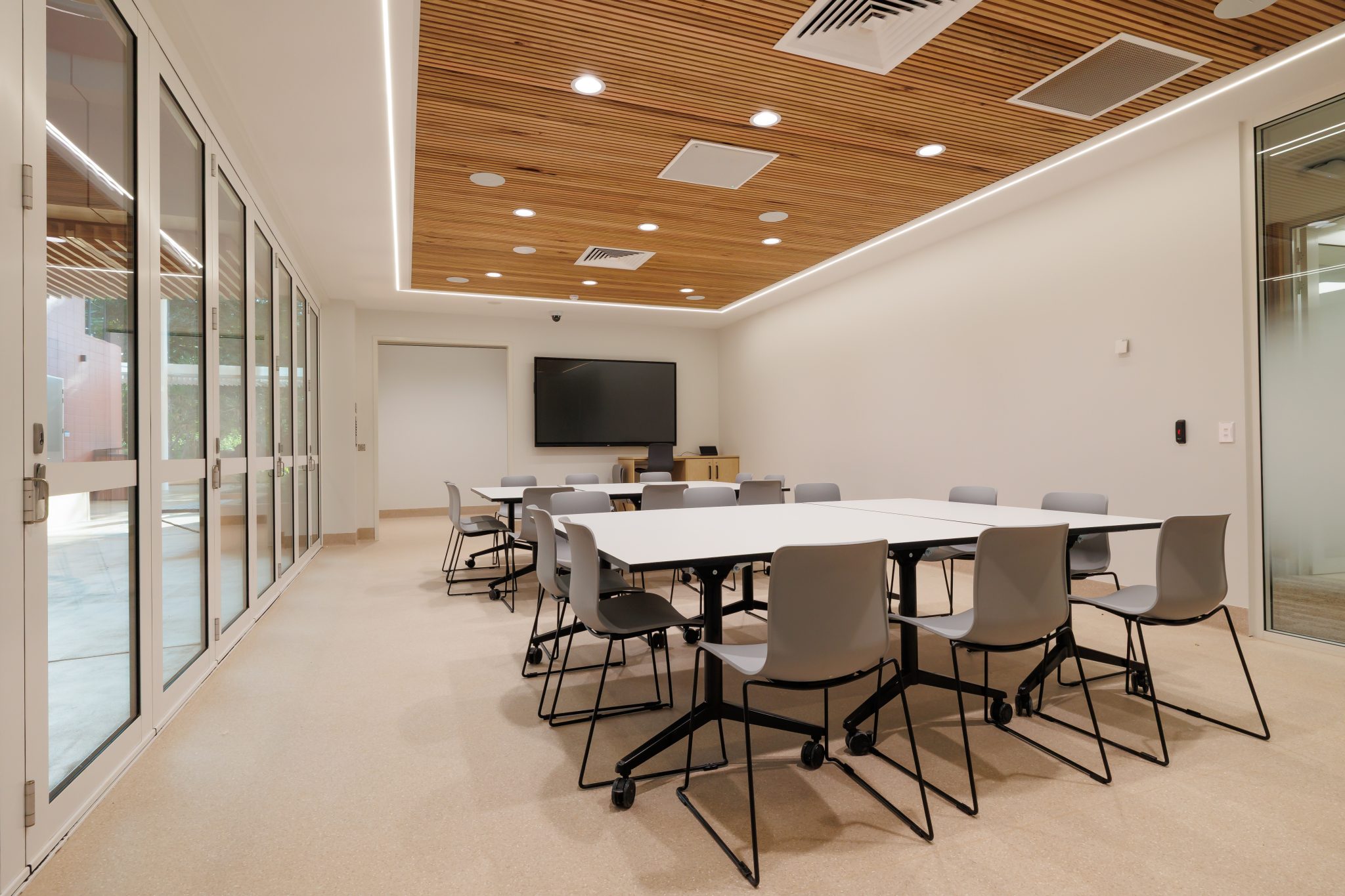
The designers specified durable, hygienic materials to meet infection-control requirements, including seamless vinyl flooring with coved skirtings and compact laminate joinery resistant to moisture and impact. “Despite their robustness, finishes were chosen for visual softness and sensory comfort, encouraging students to feel supported and focused during intensive, hands-on training,” say StudioBE and Hames Sharley spokespeople.
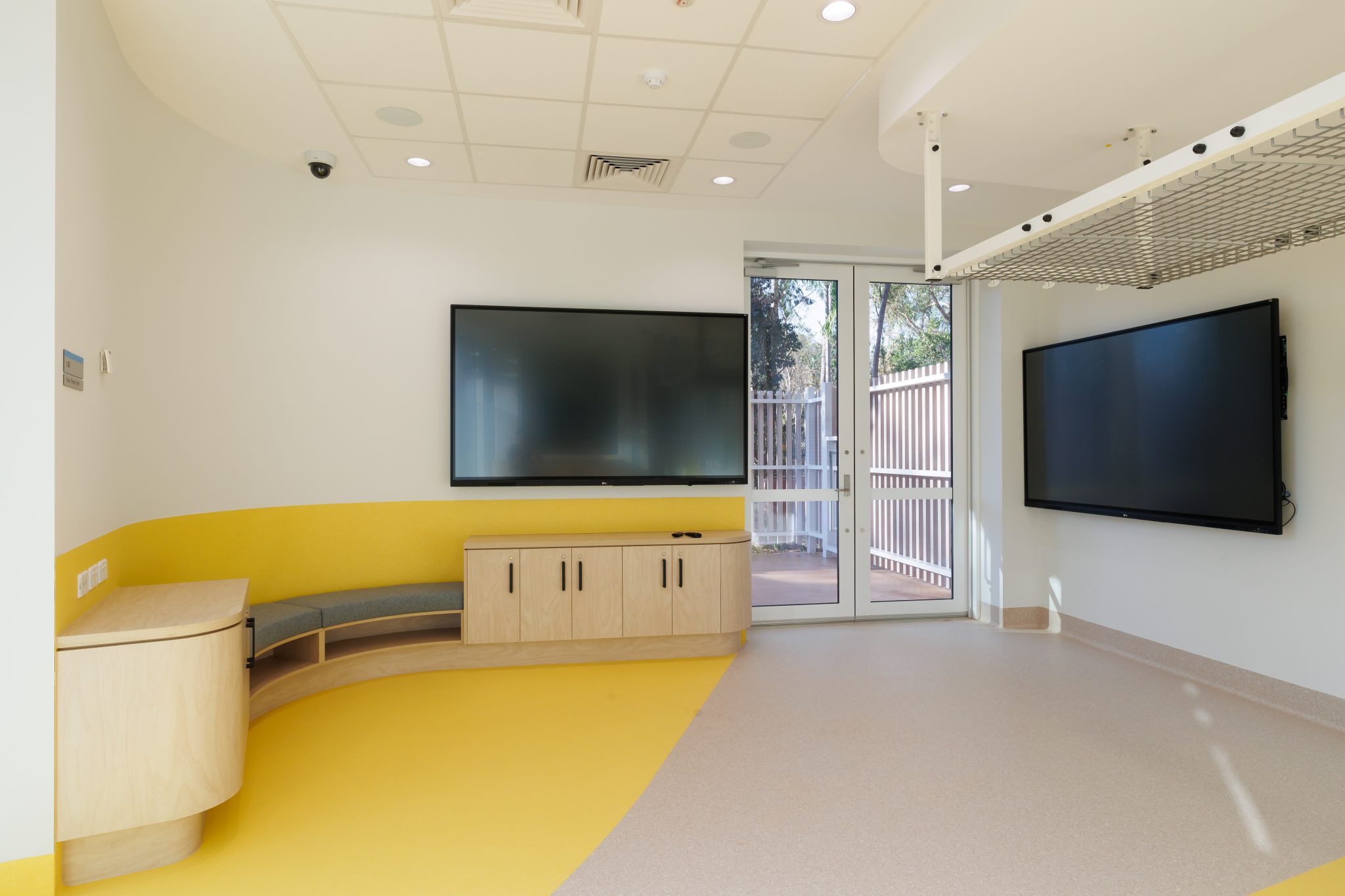
Robust materials also address the tropical monsoonal climate, aiming to ensure thermal comfort, resilience and longevity under harsh climatic conditions. The form responds to tropical light, humidity and solar exposure through passive measures such as its orientation and natural ventilation through the breezeway. Deep screening and horizontal shading strategies seek to not only reduce heat gain, but also reinforce the building’s connection to place, creating a shifting play of light and shadow throughout the day.
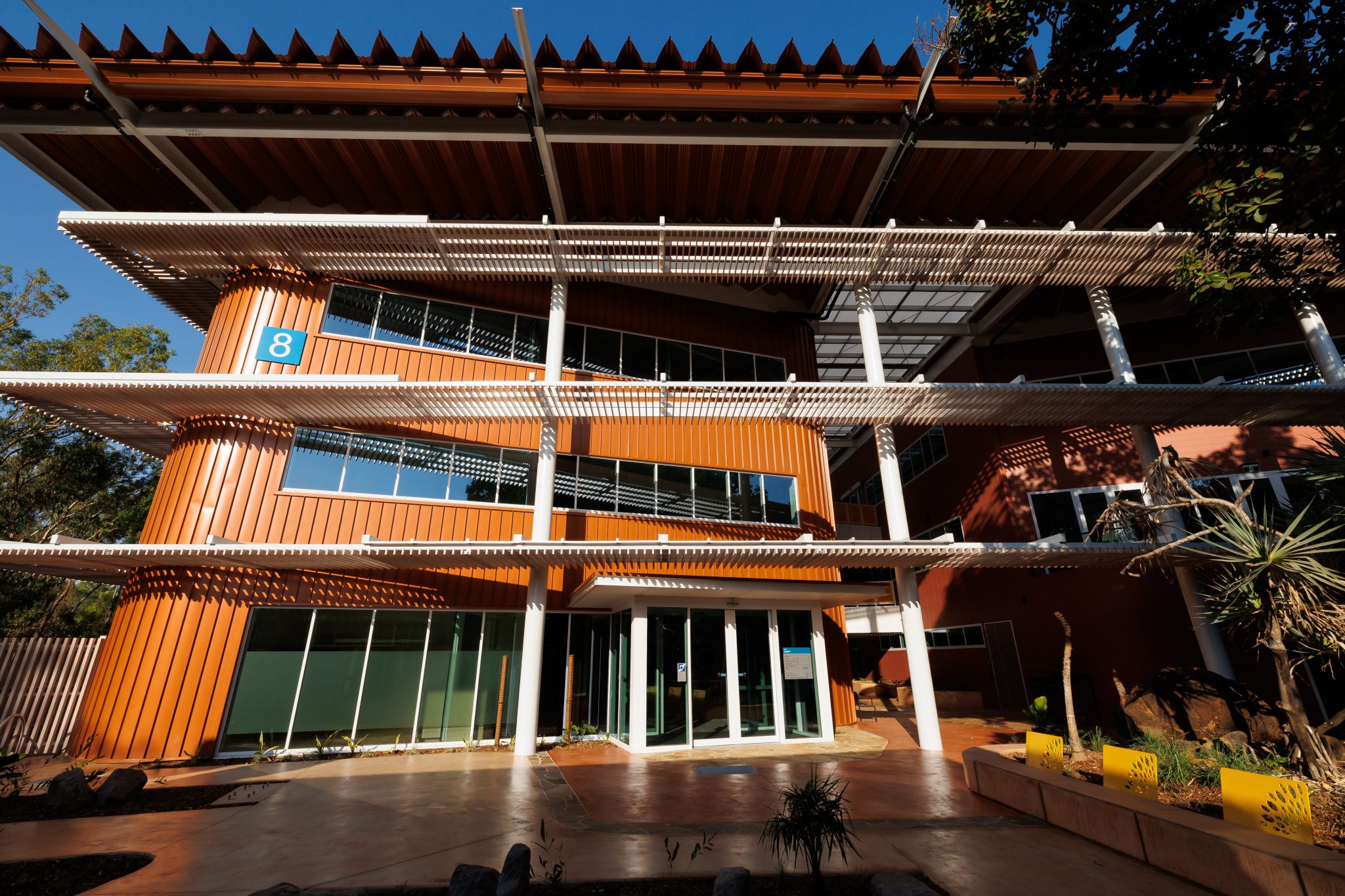
“This approach supports the centre’s mission to prepare health professionals for remote, Indigenous and regional healthcare,” explain Ashford and Chapple.
A large 49-metre Spantec roof and siphonic stormwater system were resolved by StudioBE, Hames Sharley and SHAPE Australia.
Simulation and collaboration
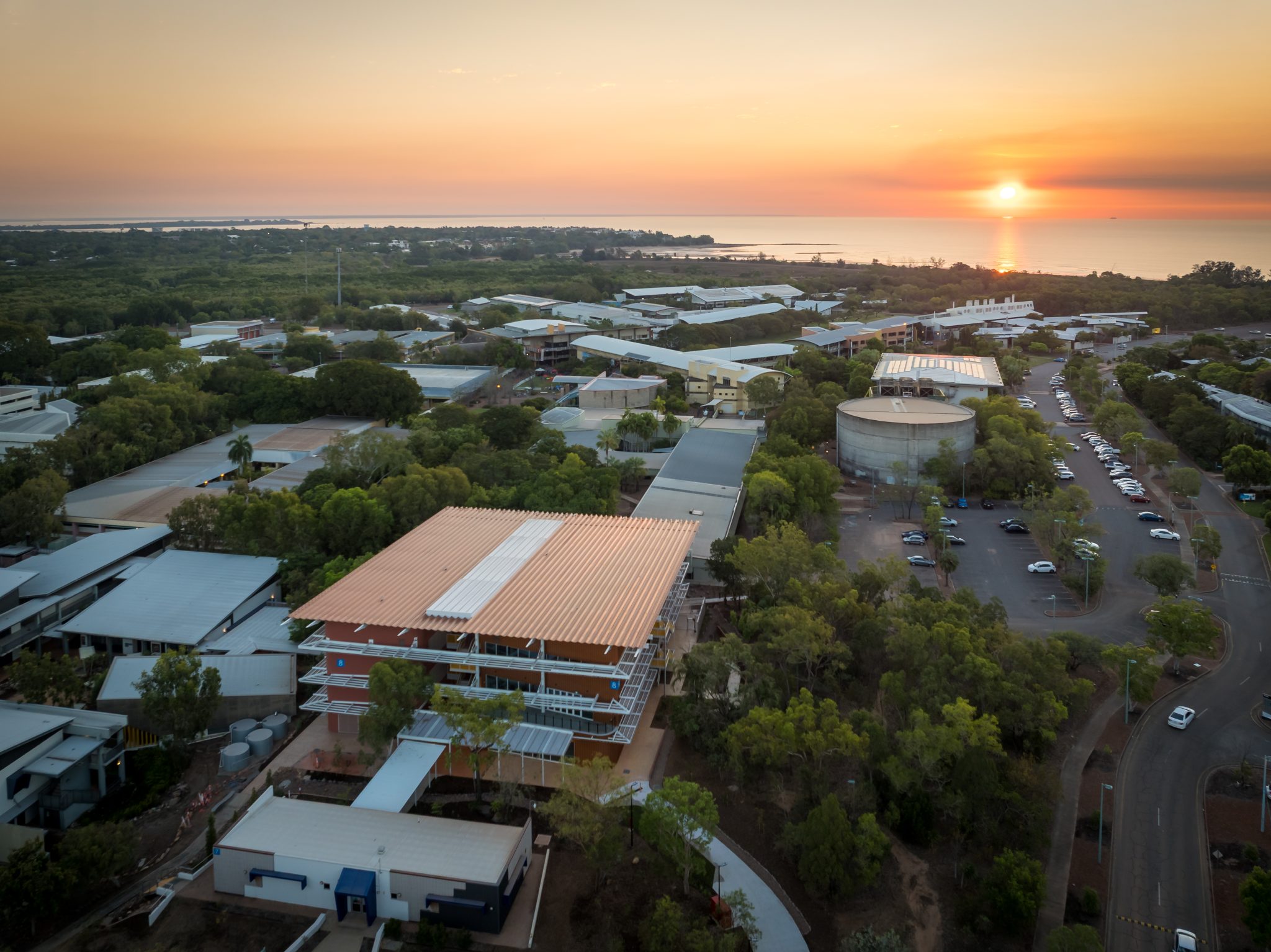
According to Ashford and Chapple, “simulation as architecture” was a core principle in the design.
“The facility’s layout mirrors real contemporary hospital and clinic environments,” they say. “Integrated simulation spaces and immersive technologies, such as virtual reality, support hands-on learning that prepares students for real-world practice.”
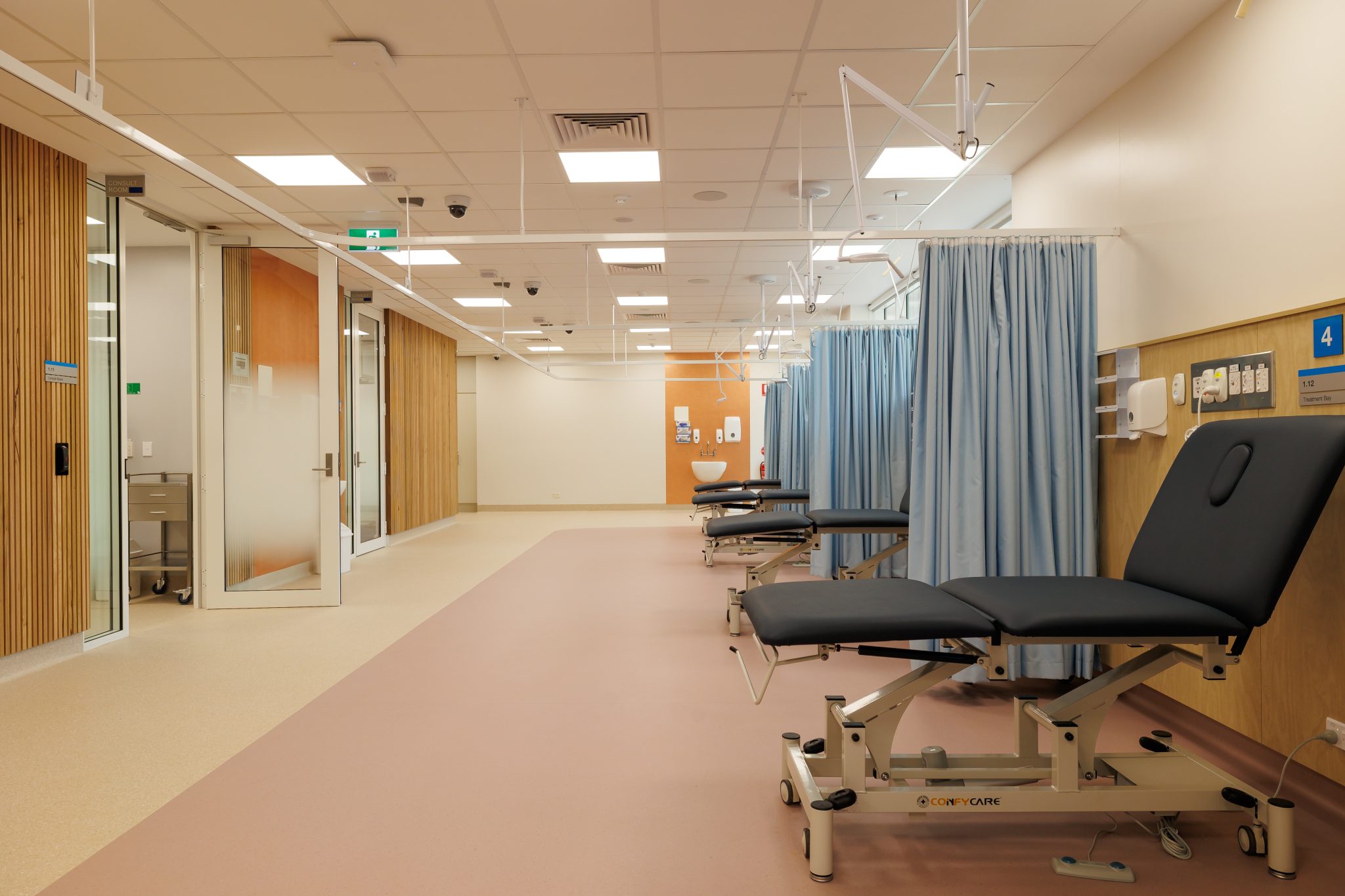
Enabling cross-disciplinary collaboration across medicine, nursing, allied health and paramedicine was also central to the design. “Flexible, transparent and shared spaces encourage interaction and reflect the collaborative nature of modern healthcare,” Ashford and Chapple say, adding that bringing these different disciplines together also creates a “culturally safe learning environment”.
“Student lounges, shared study areas and social spaces promote inclusivity and connection, especially for students from remote and Indigenous communities.”
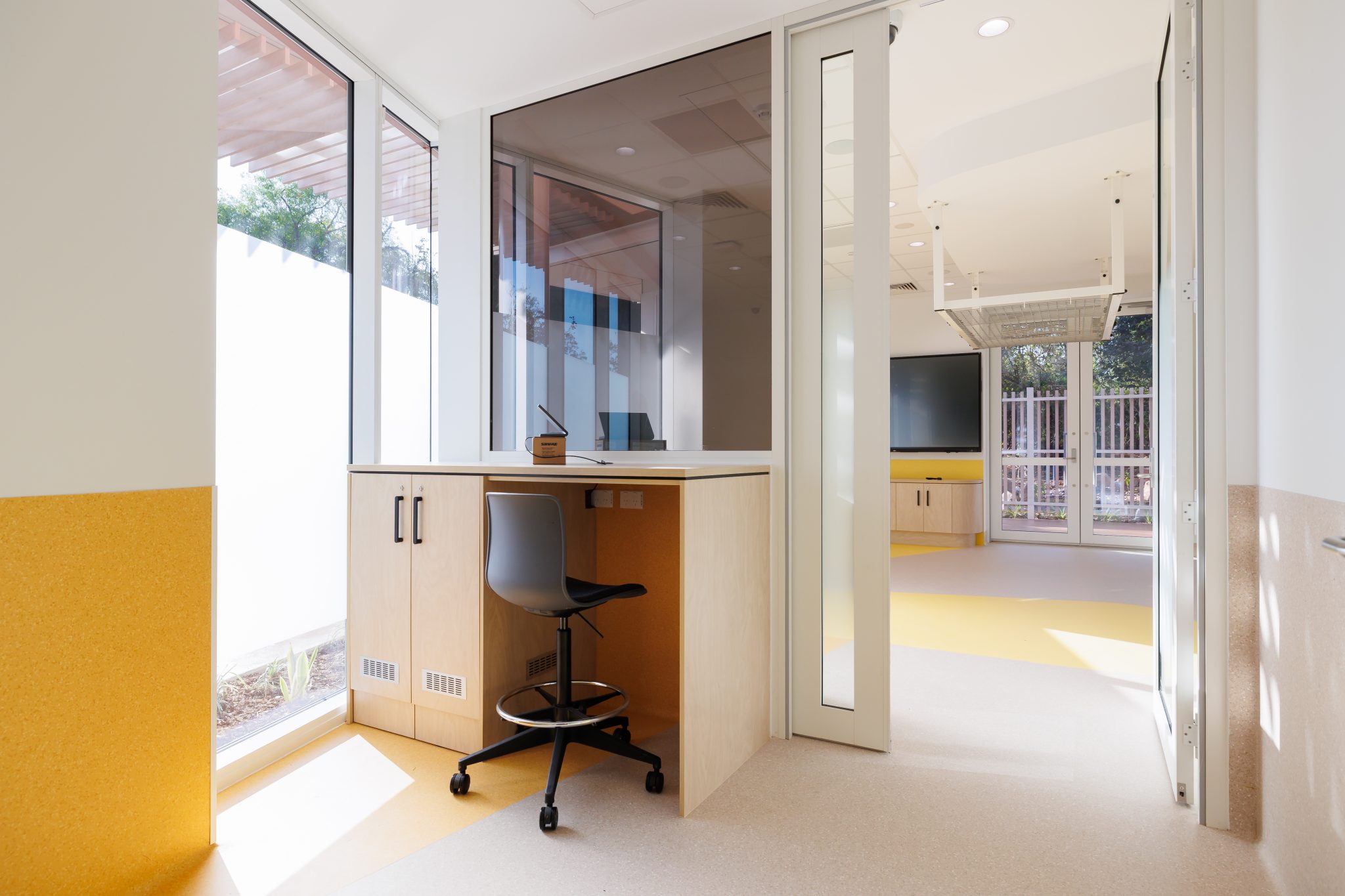
StudioBE and Hames Sharley add that functional adjacencies, acoustic separation and flexibility enable varied teaching modes, from group simulations to small-team practice. The acoustic treatments and AV systems also facilitate hybrid and remote education beyond the four walls of the Centre for Better Health Futures.

Photography supplied by SHAPE Australia.
Related: Das Studio turns heads with North Adelaide ‘Treehouse’.

© Niche Media 2026