

30UNDER30 shortlist judge Alison Potter on how greatness stems from collaboration
30UNDER30 shortlist judge Alison Potter on how greatness stems from collaboration

Share
Now in its fourth year, Australian Design Review’s (ADR) 30UNDER30 program continues to guide the future of young designers. The program facilitates first-hand experience and long-term career development, connecting ambitious creatives with influential industry mentors.
HDR is the latest practice partner to join ADR’s 30UNDER30 program, with design principal Alison Potter joining the shortlist judging panel, bringing with her an established career spanning both ends of the globe.
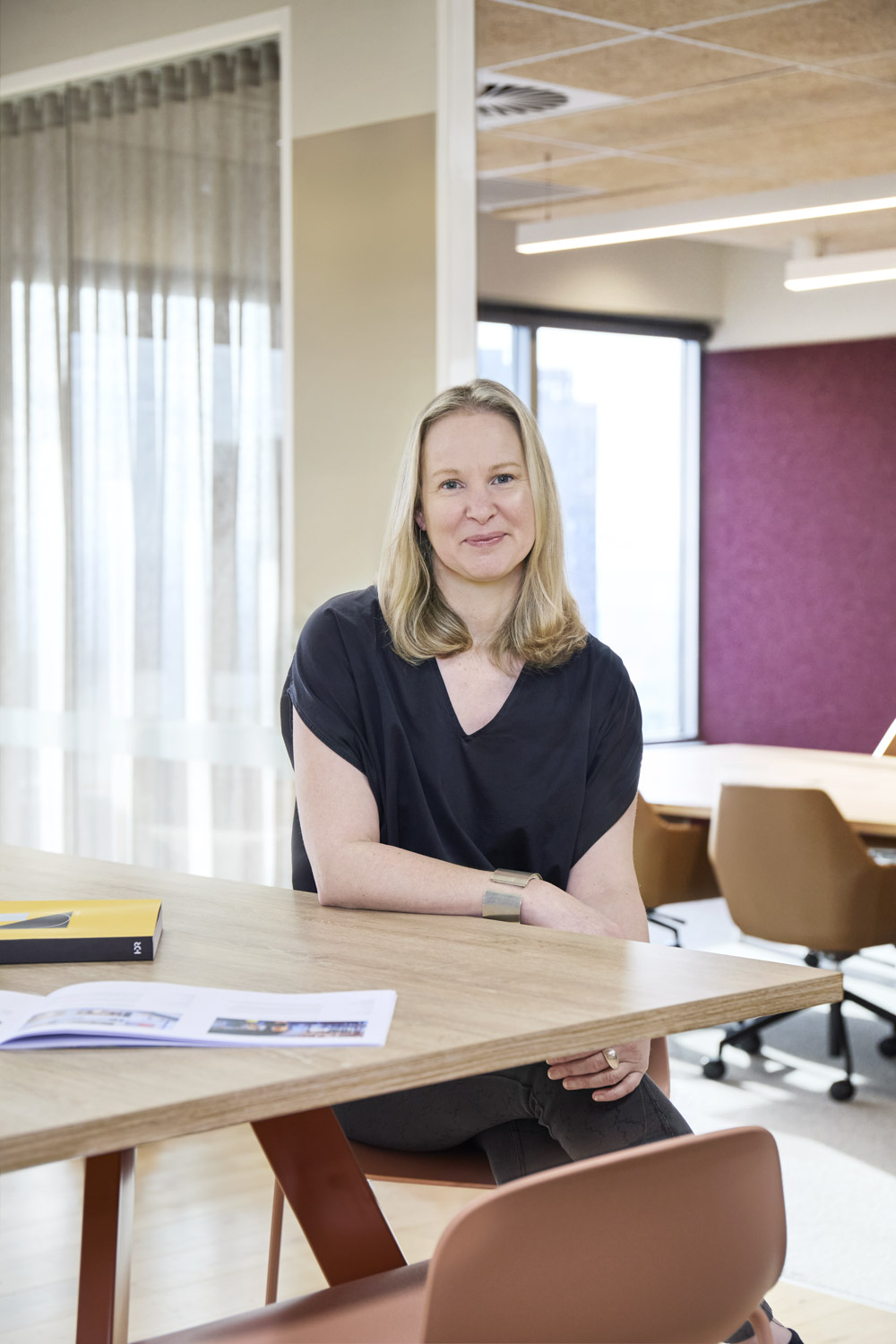
HDR design principal Alison Potter.
With studios across Australia and an international network of office locations, HDR has built its reputation on designing environments that solve complex challenges across every sector, from education to science, health, defence and civic design.
Aligning with 30UNDER30 represents a professional milestone and a personal passion for Potter. The experienced architect believes initiatives like 30UNDER30 play a vital role in strengthening the design industry by building connections and confidence among emerging designers.
“So many of my opportunities were built on mentorship and collaboration,” she says. “I was supported early in my career, and that gave me the confidence to step into bigger roles and projects.”
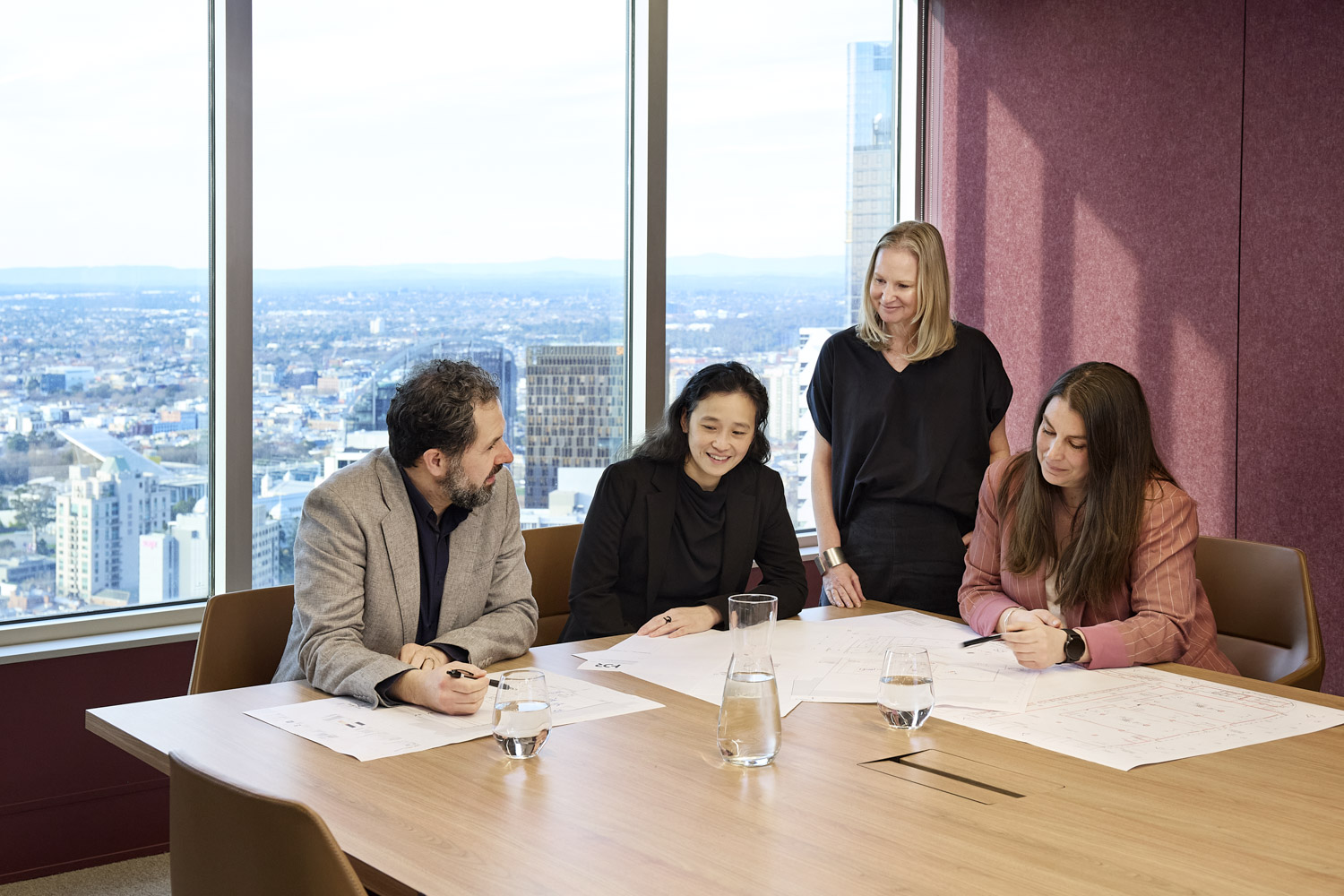
Alison Potter in a team meeting at the HDR Melbourne office.
With a belief that great design stems from teamwork and cross-channel engagement, Potter has long advocated for initiatives that place shared experience at their heart. “What excites me is how 30UNDER30 goes beyond recognition,” she says. “It creates real conversations, real relationships and real growth.
Australian Design Review: In the early stages of your career – when you were ‘UNDER30’ – what were the opportunities that were major turning points for you? And did you recognise them at the time, or only with hindsight?
Alison Potter: That’s a really great question. I had a lot of opportunities before I was 30. I had great mentorship, right back from when I was a student. Through my SONA mentor, I joined a small practice in Adelaide when I was a student and registered while there, so I was always supported in my professional growth by those around me.
I moved to London shortly after that, so I had even more ability to continue to expand on my knowledge and effectively upscale my project knowledge. It was when I was working at Foster + Partners that really shifted my opportunities. Suddenly, I was working for an international practice with incredible design processes and focus.

Collaboration remains at the heart of HDR’s design practice.
So many of my opportunities after that have been based on the relationships that I built off that experience, leveraging into more of a global network of designers, and they really shifted things for me.
ADR: When did you first become aware of Australian Design Review’s 30UNDER30 program, and what ultimately attracted you to become a shortlist judge?
AP: I have been aware of the 30UNDER30 program for a little while. I think it’s an excellent initiative and I’m really excited to contribute to it and support the next generation of talent. The program does an incredible job of inspiring future leaders and future designers, helping them see what’s possible and where they want to go.
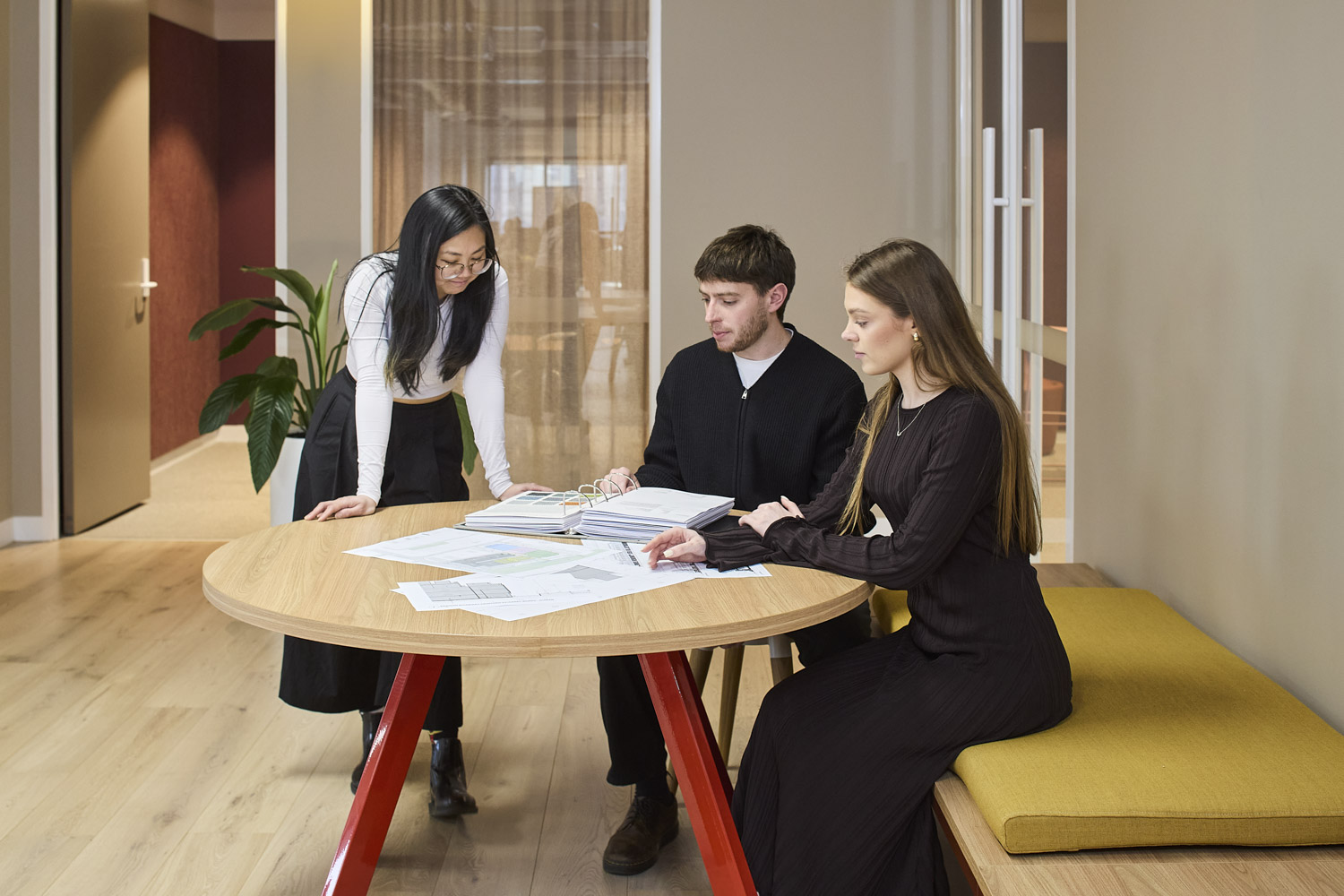
Young designers at the HDR Melbourne office.
What really excites me is the opportunity to help emerging designers build confidence, stretch their thinking, and feel supported as they shape their own paths.
ADR: 30UNDER30 is an invaluable resource for young designers starting out in the industry. Was there anything similar to this when you were at the beginning of your career?
AP: I think probably the closest to it was through the Australian Institute of Architects. That was very localised when I was an early graduate.
It’s amazing to see a national program that’s recognising people and practices all across Australia, and bringing them together. I definitely think this is a real shift from what there was back when I was under 30!
ADR: There are cases of people in creative fields who don’t strictly prove their talent in one particular arena, as their skills go outside the borders of a resumé or portfolio. How do you approach situations such as these, where it’s a candidate’s soft skills that contribute to the industry?
AP: That’s a huge question… but I think it is really critical. Architecture and design, and interior design, are very emotive and experiential. We have some ‘intangible’ aspects to our jobs in terms of how we generate and talk about design; and how we talk about our experiences and articulate our value.
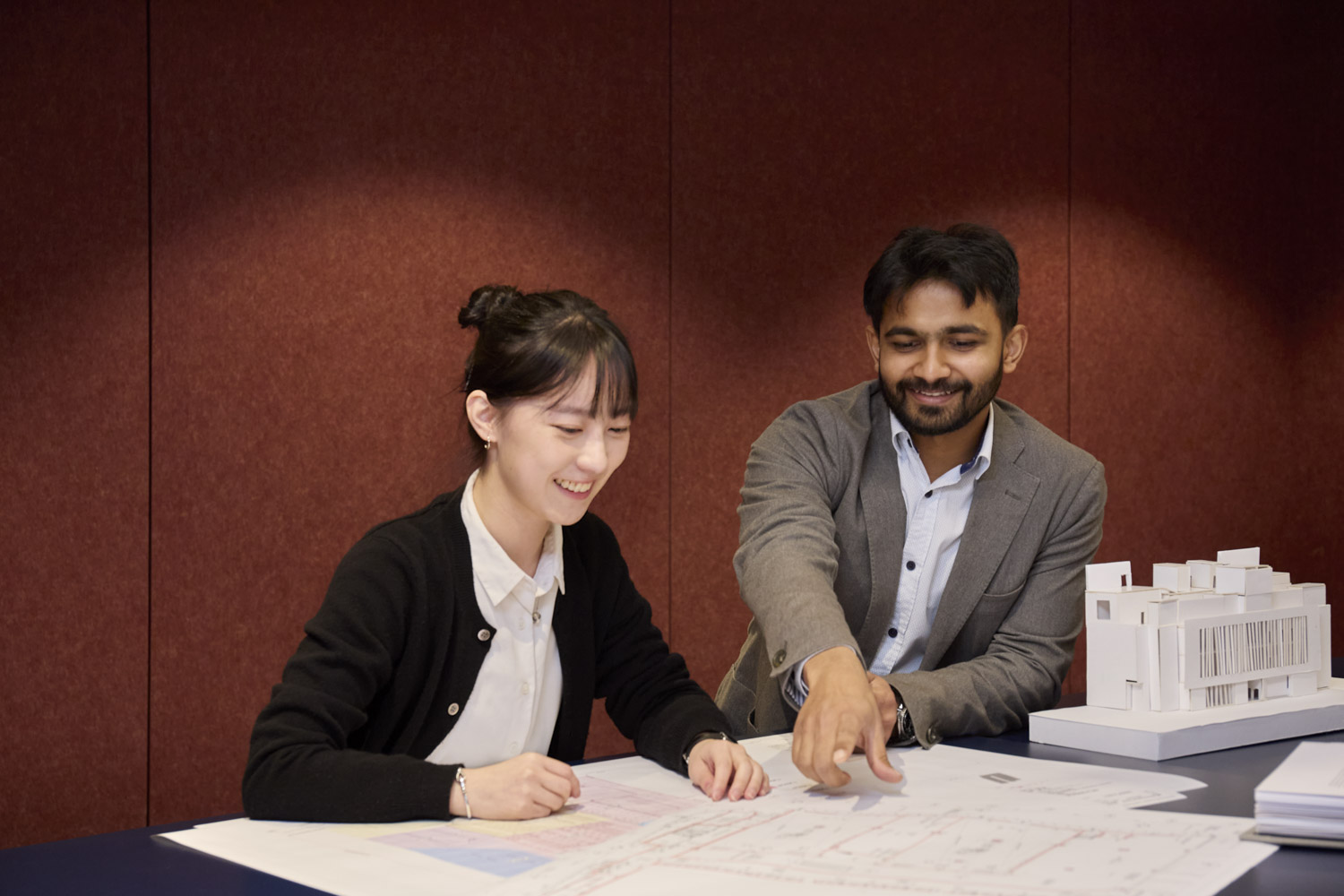
Shared ideas and dialogue typify HDR work practice.
Mostly I think it’s built around face-to-face interactions: building confidence for people with all different types of voices and personalities, to see there are other platforms for their growth. There are other ways of communicating of course, but I encourage opportunities to come together and share knowledge.
ADR: The interior design and architecture community is built upon collaboration and peer engagement. How important are these networks of contemporaries and mentors within this industry?
AP: Very! I talked earlier about the trajectory in my career, which has been built on personal relationships, so there is something about great design that comes through great collaboration.
Building relationships through working together has made some incredible outcomes possible for me; it’s about sharing stories of how people have [arrived at where they are].
That makes people feel like it’s possible, but also expands the awareness of the different types of journeys that people have taken. That’s really important, this trust in building and nurturing relationships.
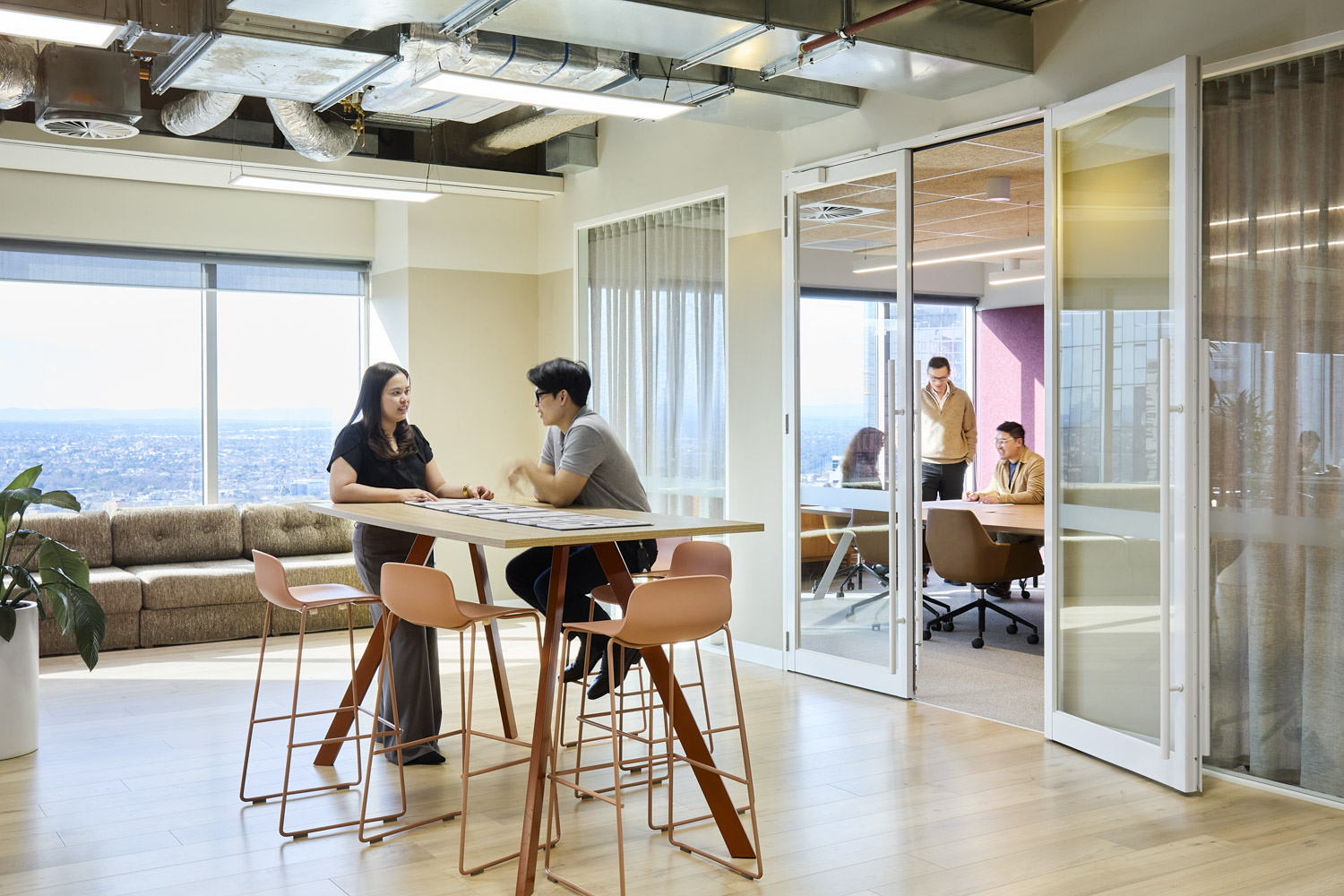
Open space and open doors to facilitate collaboration.
ADR: As a design principal for HDR, your role balances a broad view of the global design industry with an on-the-ground approach to the local market. What are your observations of the current pool of young interior designers and architects, and how are they distinct from previous generations?
AP: There has been a lot of change and a lot of uncertainty – but also a lot of energy and curiosity. There is anticipation for new opportunities emerging in the market. It’s funny, because I think this is different to how it has been in the past.
There’s always fluctuation in the market; there’s always movement; there are always levels of uncertainty. But, at the moment, one thing that is challenging is the larger number of graduates coming out into the workplace, who are perhaps finding it difficult to land a practice they feel aligned to.
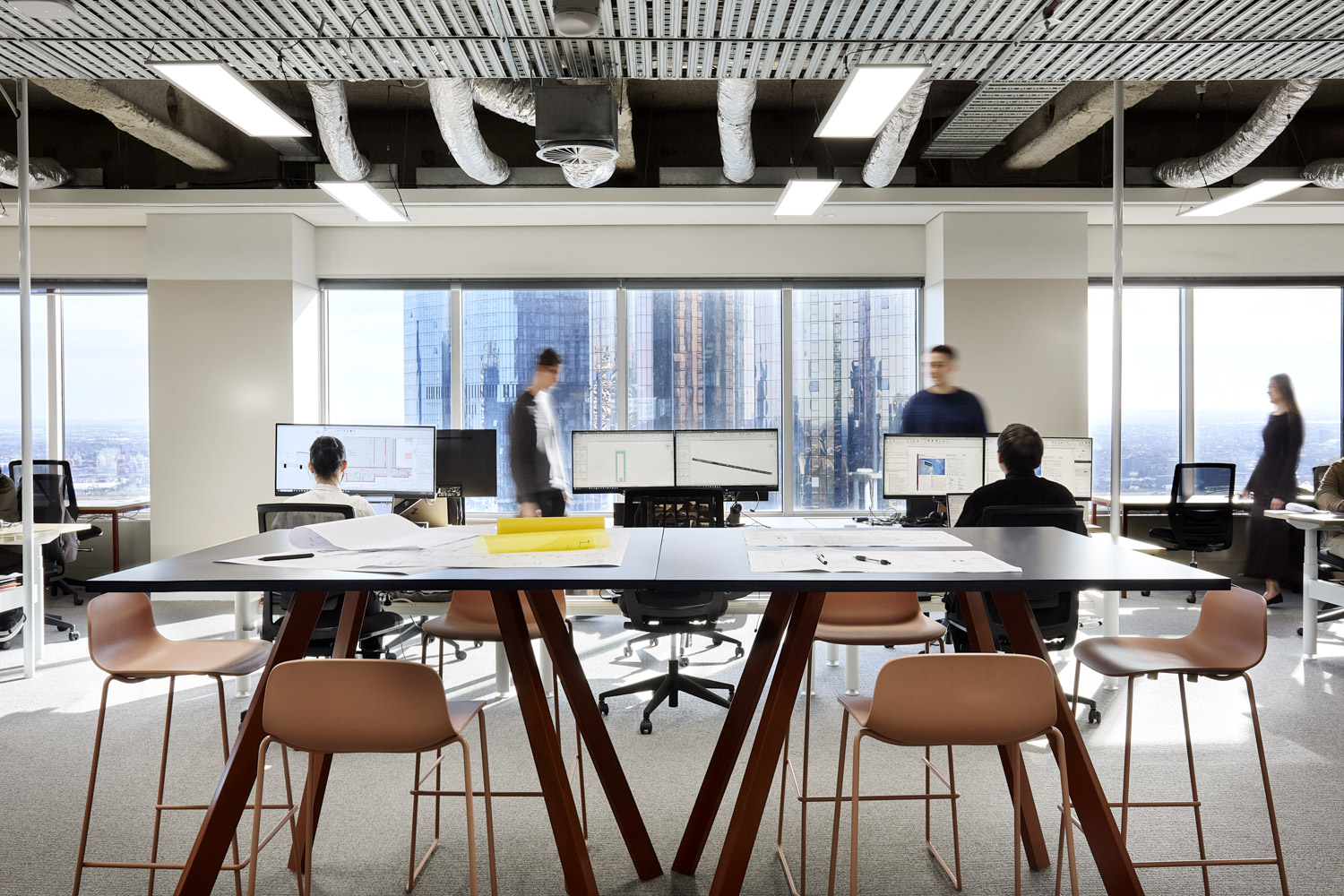

Open-plan workstations at the Melbourne office.
Maybe that’s also different to how things have traditionally operated across the design industry. But I do feel as if, with these platforms, there are more conversations happening around how we as an industry can foster better culture; improve flexibility in workplaces; and ensure practices are well equipped to retain staff and nurture talent.
But it is a constant dialogue around how we can really strengthen engagement with young designers in their early careers.
ADR: In your role as a 30UNDER30 shortlist judge, what are the qualities that you will be looking for when assessing the entries of this year’s entrant stream?
AP: Fundamentally, we’re looking to see creativity, innovation and design excellence within the portfolios, which identify trends and ideas and approaches that we feel are going to strengthen our value back into the built environment.
It’s a nice opportunity for us to reflect on where the profession is today. But what we would be hoping to see are some new voices and new design ideas coming through that may shift the industry in a positive way.
Photography by Christine Francis.
Related: 30UNDER30 practice partner RMA on collaboration, mentorship and the future of architecture.

© Niche Media 2026