

30UNDER30 mentor Ross Gardam on the value of connection
30UNDER30 mentor Ross Gardam on the value of connection

Share
One of Australia’s most admired and prominent contemporary designers, Ross Gardam‘s practice merges traditional craft with modern know-how. A natural collaborator who believes that designing in a vacuum should be discouraged, he explains why he’s excited to join the panel of esteemed mentors for the 2025/2026 30UNDER30 program.
Australian Design Review: Why did you want to join the mentorship panel for 30UNDER30?
Ross Gardam: I think we all get caught up in the rush of the day-to-day, so I jumped at the opportunity to engage with a singular focus with some of Australia’s most creative new thinkers. I also really wanted to join 30UNDER30 to connect back into the design community that has been so supportive of me over the years.
ADR: What are the main elements of the program that you’re looking forward to experiencing?
RG: The four-day creative retreat, from all reports, is a unique experience, so I’m looking forward to spending some time with the cohort and mentors. I am ready to share lots of ideas, meet a whole lot of new people… and lock in to be inspired!
ADR: Did you have the benefit of mentorship in the early days of your career?
RG: I have not gone through a formal mentorship program personally; however, I have stayed in close contact with a director I worked for early in my career and I have found this really beneficial. I first met Dominic Russo while working at his practice Diadem in 2005, and I learned a lot during my time. Dominic has always been really closely connected to the design community, and I feel very privileged to be able to spend time with him. We catch up for breakfast sporadically and discuss various aspects of running a design practice and life in general.
ADR: What topics are you looking forward to discussing with the 30UNDER30 cohort?
RG: I am going into this with no expectations; I am keen to let the cohort guide the conversations and I am sure there will be some natural synergies.
ADR: What particular areas of advice or practical tips do you think you’ll be able to offer the cohort?
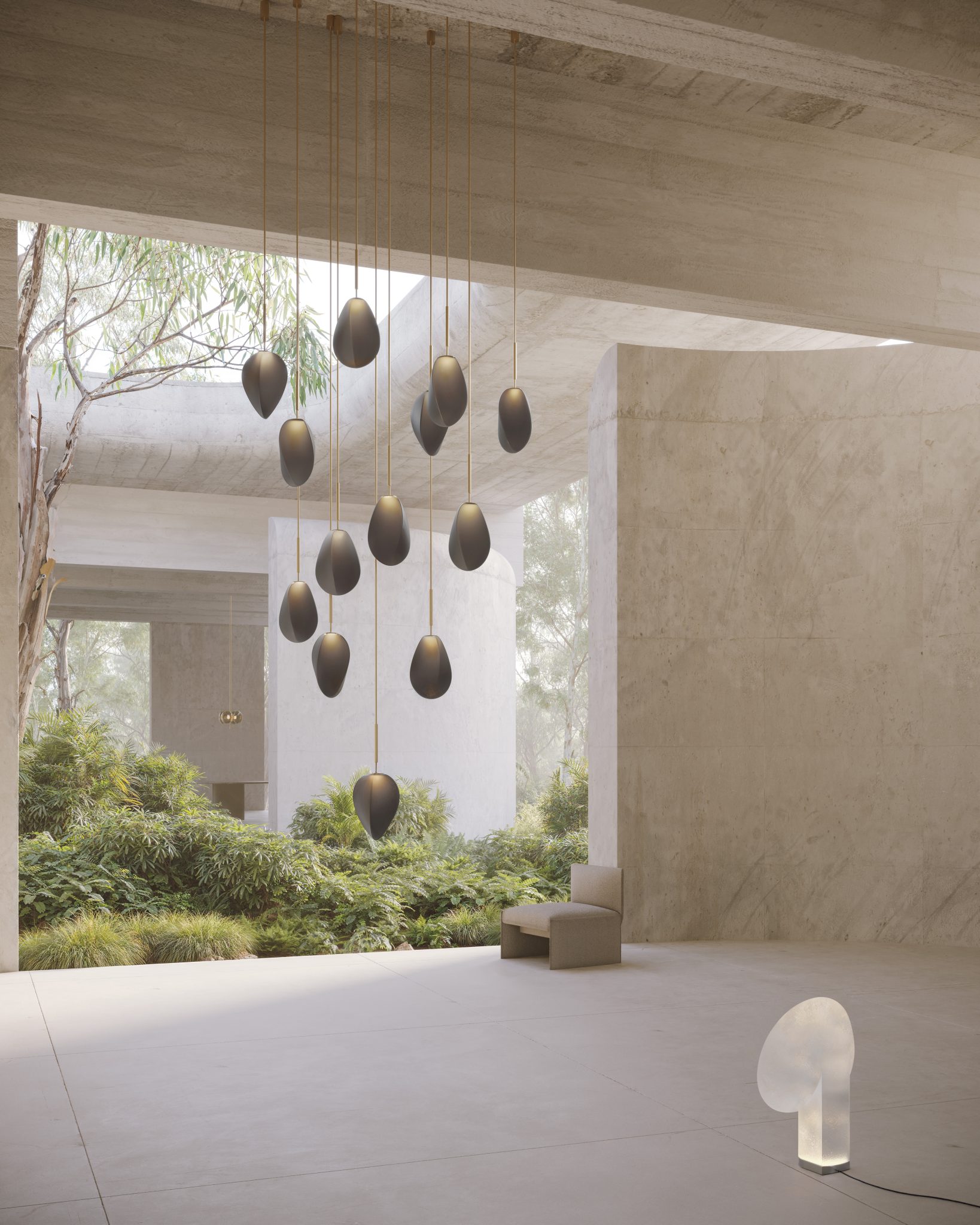
RG: I have, of course, been thinking about which experiences may be of interest to the cohort. I have spent a lot of time in business development within my practice, as well as developing different income streams for industrial designers, which I am keen to share. Practically speaking, there is also lots to discuss on creating a commercially viable product and how that connects into architecture. The creative process is also always an interesting topic, especially as we have different design disciplines present.
Over the past eight years my business has been focused on developing the brand in international markets, so I’m also keen to share some insights regarding working in different regions and exhibiting work in Milan and New York.
ADR: When working with the younger designers at your own studio, do you find they exhibit traits or ideas that seem different to those of more senior practitioners?
RG: The studio has 17 people and the age ranges span more than 25 years, which creates a nice mix of ideas. I am not sure the approach is dramatically different across the age groups in the studio; I think we all just draw on different life experiences and bring them into the everyday.
ADR: What excites you about the next generation of designers?
RG: The calibre of work that is being produced by early career product and object designers is impressive. There also seems to be many more people carving out their own paths, which I am super excited to see happen, as object design can be a tricky industry. The more pathways to sustainable practice there are, the healthier our industry will be.

ADR: 30UNDER30 also offers the cohort the opportunity to network with their peers; how important do you think that is?
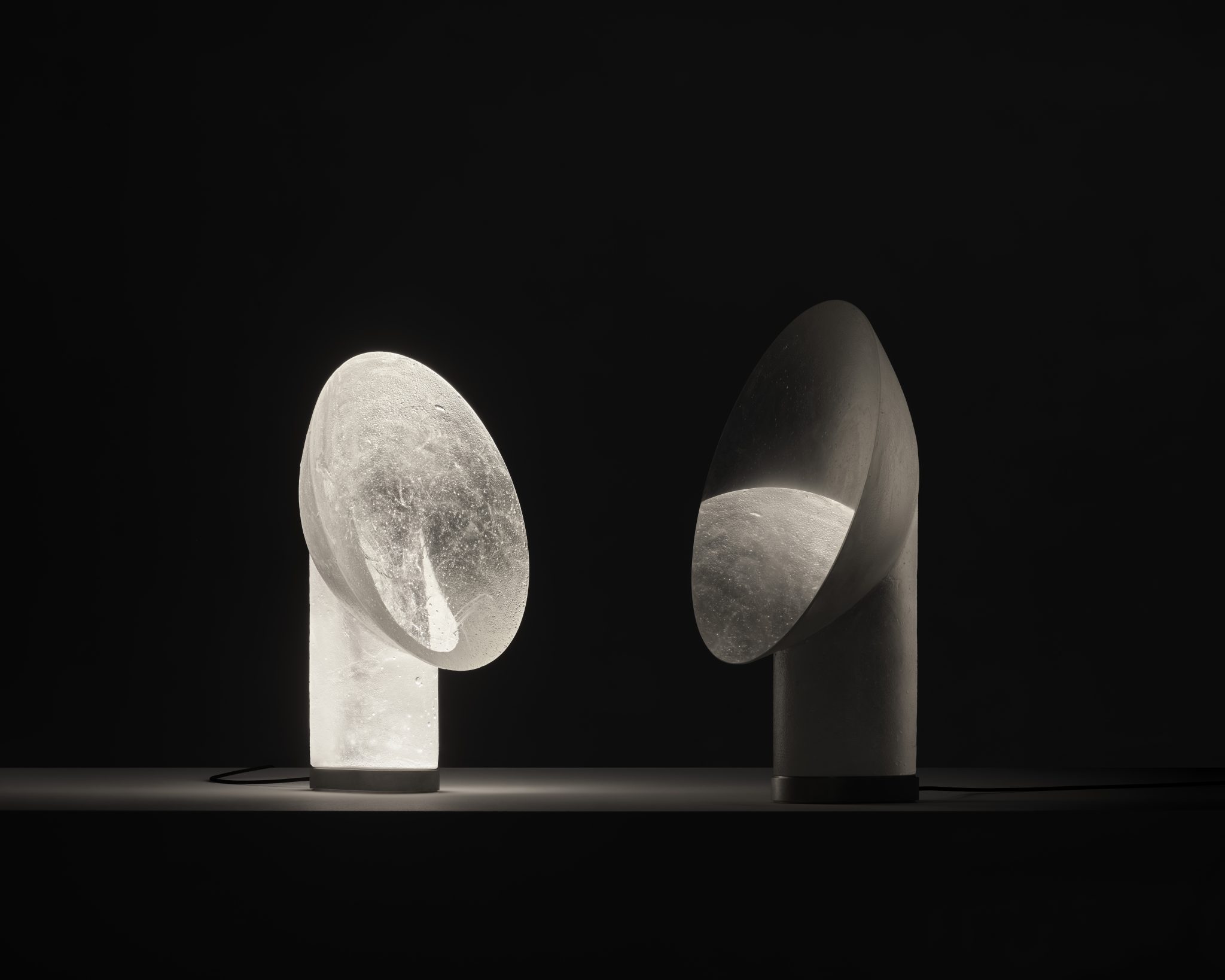
RG: The Melbourne design community is so close-knit and that has been vital for me over the years. So I am sure the cohort will have the opportunity to make some lifelong connections. Reflecting on the lighting design community – specifically here in Melbourne – there are other practices also focused on creating bodies of work with a singular vision, such as Volker Haug, Christopher Boots, Lost Profile Studio and Articolo. Being able to discuss and share ideas with other practitioners is so beneficial. Talking to someone who knows exactly how you are feeling and what you are experiencing is a unique and special thing, so I would always encourage people to connect with their peers and try not to work in vacuum.
ADR: Are there areas of contemporary design education that you think could be expanded upon – are the young designers missing out on anything important for their careers?
RG: I want to say sketching as a way to develop multiple ideas in a time efficient way. I think there is a tendency to jump on 3D modelling software to explore ideas that should really be refined out with pen and paper. Developing ideas in the 3D world obviously has huge advantages; however, it can create tunnel vision.
ADR: What do you hope to get out of the mentorship program on a personal level?
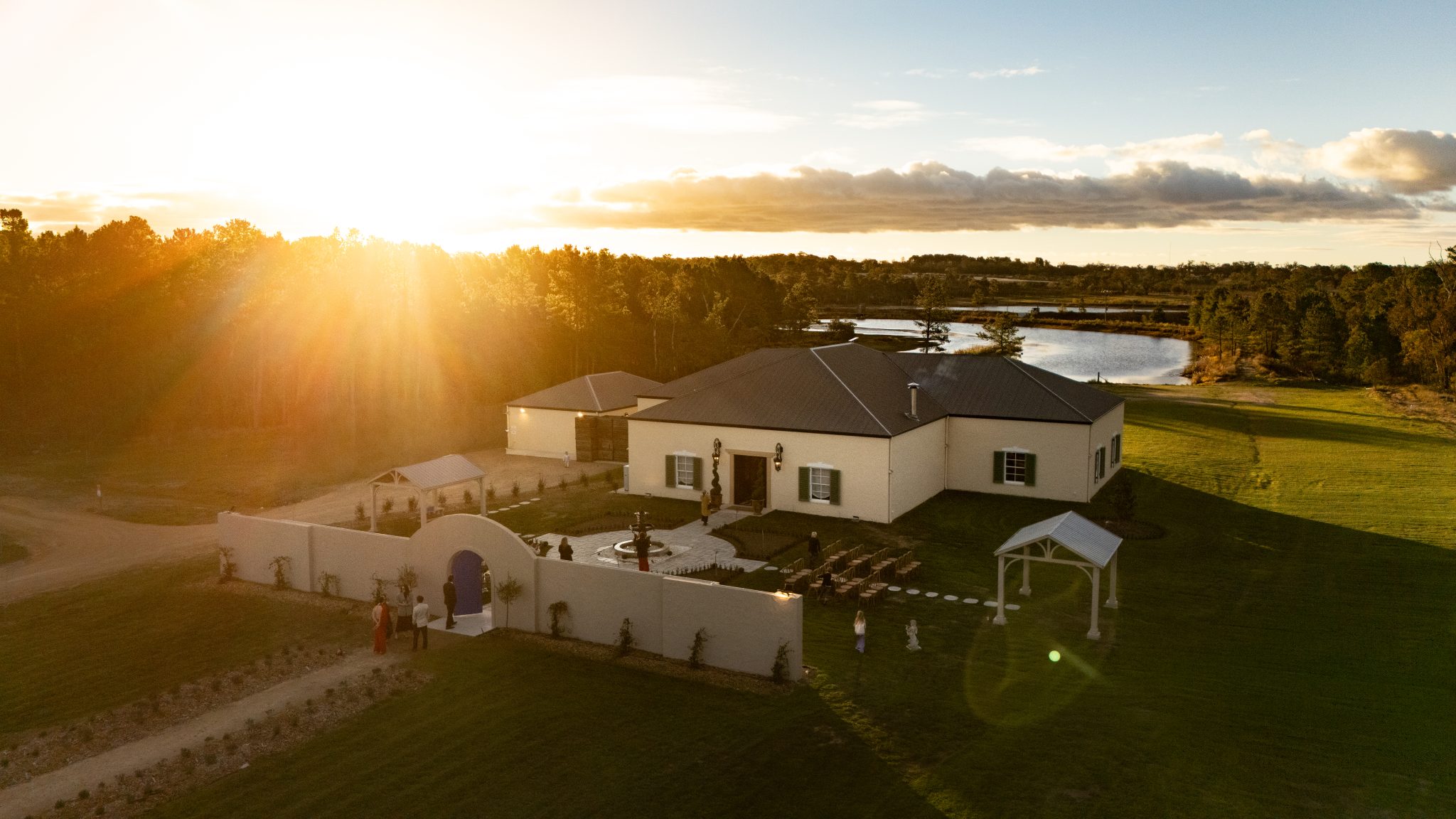
RG: I am going into this experience assuming I will learn just as much as the cohort, so that’s exciting. I spend a lot of time with the studio team and it’s one of my favourite parts of my job. So I’m also looking forward to continuing these vibes and meeting a whole lot of new people in what sounds like a pretty amazing location.
Entries for the 2025/2026 30UNDER30 program close shortly. To learn more and enter.
You Might also Like
Related Stories

© Niche Media 2026