

30UNDER30 shortlist judge Simon Fleet on the early experiences that shaped his career
30UNDER30 shortlist judge Simon Fleet on the early experiences that shaped his career

Share
Australian Design Review speaks with HDR design principal Simon Fleet, reflecting on the formative experiences that shaped his early career – including working on Adelaide’s landmark airport redevelopment while still in his 20s.
Now a 30UNDER30 shortlist judge, Fleet discusses what the next generation of architects and designers bring to the industry, as well as what makes a standout young practitioner. From clarity in visual storytelling to contributions beyond the nine-to-five, he explains why emerging talent continues to drive creativity, culture and momentum in Australian design.
Australian Design Review: In the initial stages of your career, what were the formative experiences that set you up for the years ahead? Were there any placements or early roles you had that gave you the strongest footing?
Simon Fleet: In my early 20s, I worked in Adelaide on the new domestic and international airport terminal, from concept design through to on-site completion. Spanning three years, the project allowed me to experience the full design process and grow alongside a talented team. I was fortunate to be guided by incredible mentors – people I still deeply respect – who shaped my approach to design. Given its scale and the significant social impact for a city eager for a new airport, this project was undoubtedly a formative experience in my career.
ADR:When were you first made aware of the 30UNDER30 program, and why did you decide to join as a shortlist judge?
SF: I believe this industry thrives on the creativity and energy of emerging talent. While experience is invaluable, those at the start of their careers contribute so much fresh perspective. At HDR, we’re actively developing our graduate program to harness that creativity and drive. For me, joining 30UNDER30 was particularly exciting. It provides graduates with the chance to connect with a network of highly motivated peers, while also benefiting from the guidance of mentors and experienced professionals. It’s a meaningful way to give back to the profession that has given so much to me.
ADR:What are the deciding qualities in a 30UNDER30 entrant making it to your final shortlist? What are the X factors that will win your mark of approval?
SF: At the end of the day, it comes down to the quality and clarity of the individual portfolios. Time is precious, and you don’t have an infinite amount of it to digest every application. While each is worthy of deeper consideration, much like in our industry, you don’t always have the luxury to tell the whole story. The portfolios that stood out were those that succinctly captured the applicant’s skills, capabilities or achievements in a clear, visual and compelling way – those are the ones that resonated most.
I also valued applications where the proponent had adopted an innovative approach, whether presenting themselves in an unusual way or sharing stories that jumped off the page. Another key trait was a demonstrated contribution to the industry beyond their day-to-day work – through networking, launching events or delivering innovative podcasts, for example. These are the people who extend beyond the nine-to-five and make a broader impact on the profession.

ADR: Your role as design principal at HDR sees you lead the design outcomes on various projects, while also fostering a keen design-centric culture within your team. Looking at the current pool of under-30 interior designers and architects, what sets them apart from previous generations of designers?
SF: Compared to previous generations, I think representation skills have evolved – the way we visually communicate our work. The architecture and design industry is, in many ways, a visual medium – particularly architecture, which I engage with daily – but lead times are incredibly long. Delivering a project often takes three to five years, and for much of that time, the work exists only virtually. Clients are asked to place an enormous amount of faith and trust in you, so strong visual representation is critical.
Storytelling through visual mediums has certainly advanced since I started. Both the ways we tell these stories and the tools we use to tell them have dramatically progressed. Graduates bring these skills, constantly exploring new techniques at university, which makes them powerful and impactful additions to the HDR studios.
Most of the architectural themes I engage with and hold dear, however, are agnostic to the progress of time. Many relate to human need – needs that are the same now as they were 30 years ago when I began my career, and the same as they were 200 years ago. These human needs include the desire for connection and community, access to daylight, safety and security, and conceptions of place.
In shaping architecture, people haven’t really changed. For me, the graduates who apply that human lens to their work are the ones who stand out most strongly – and who make the greatest impact.
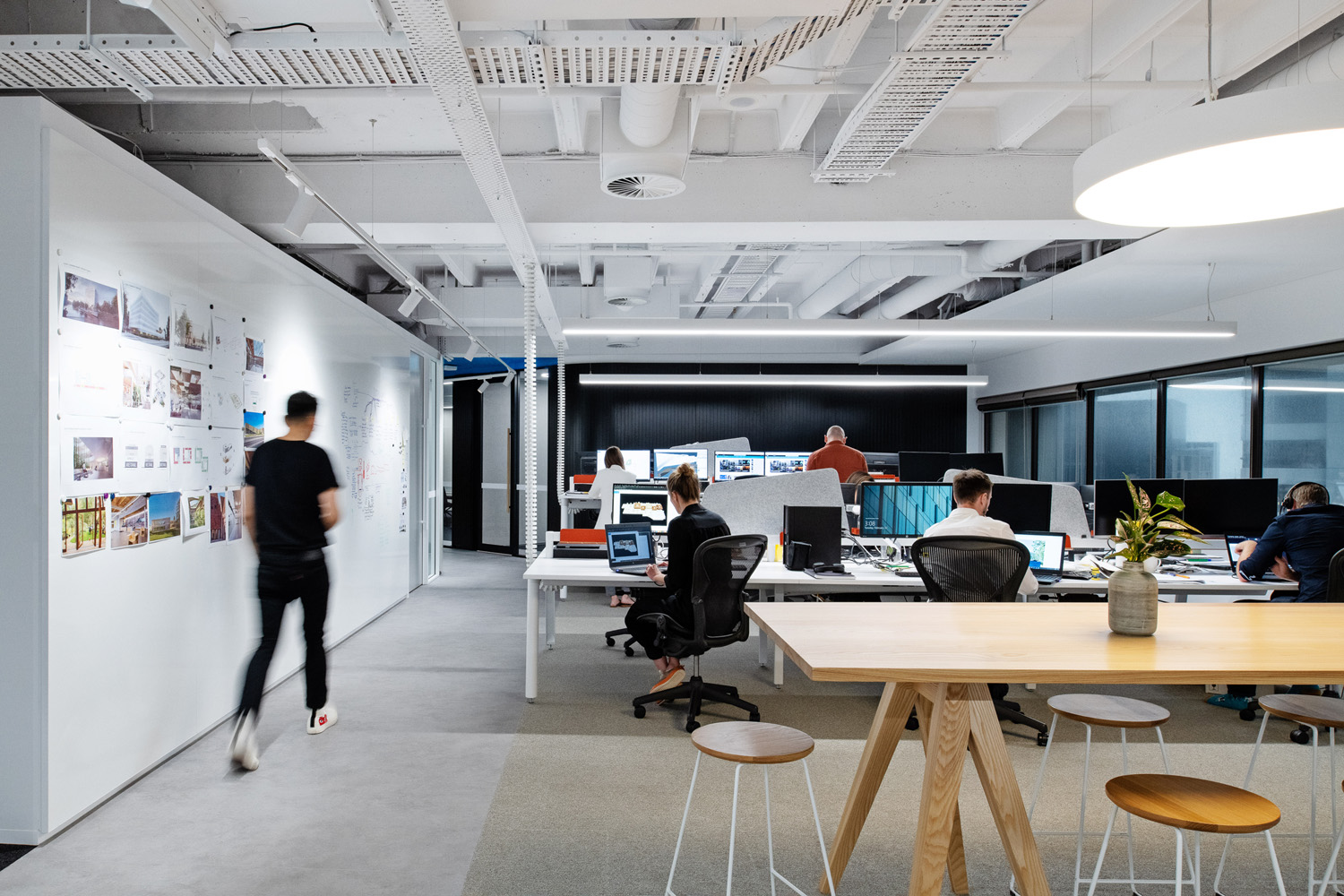
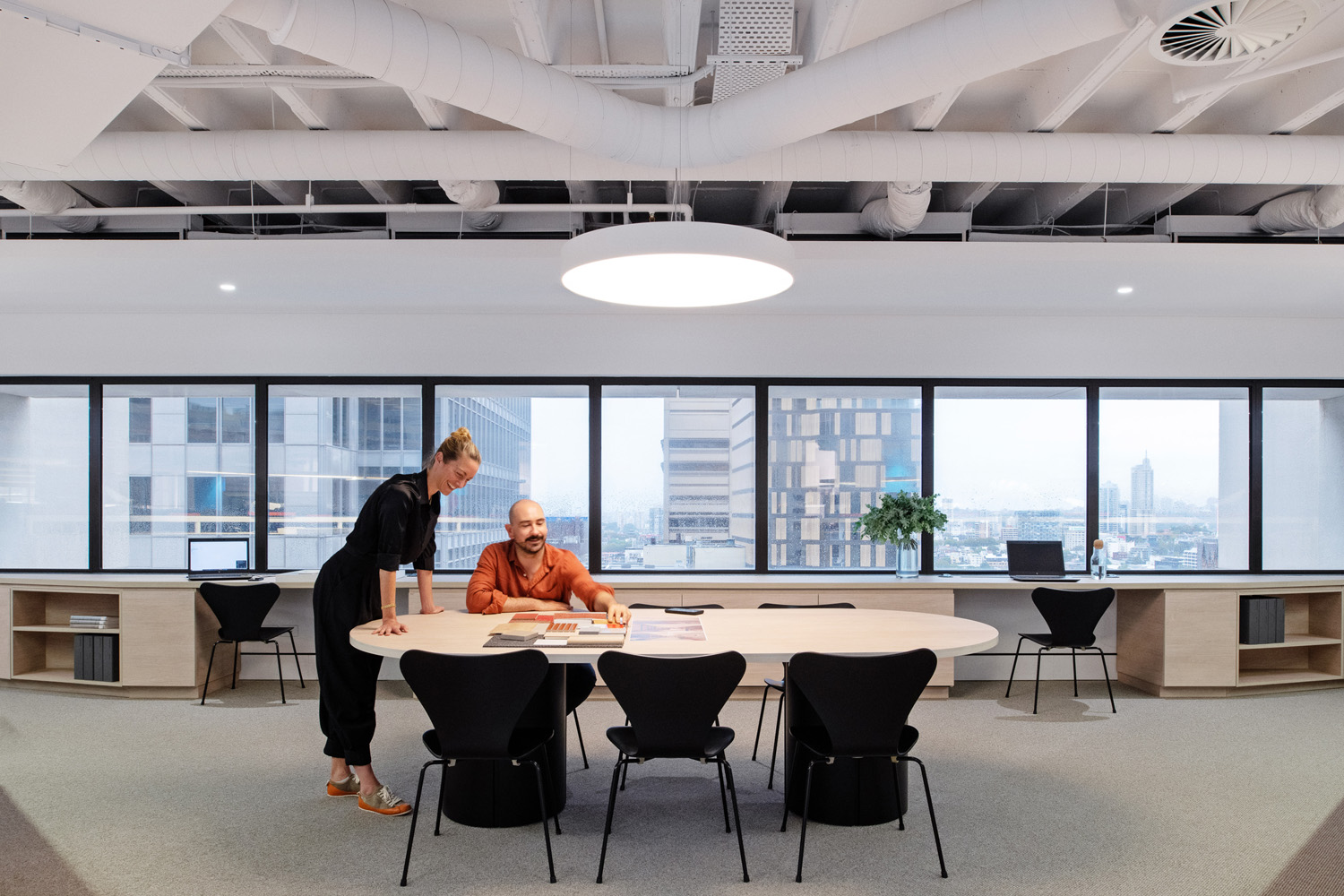
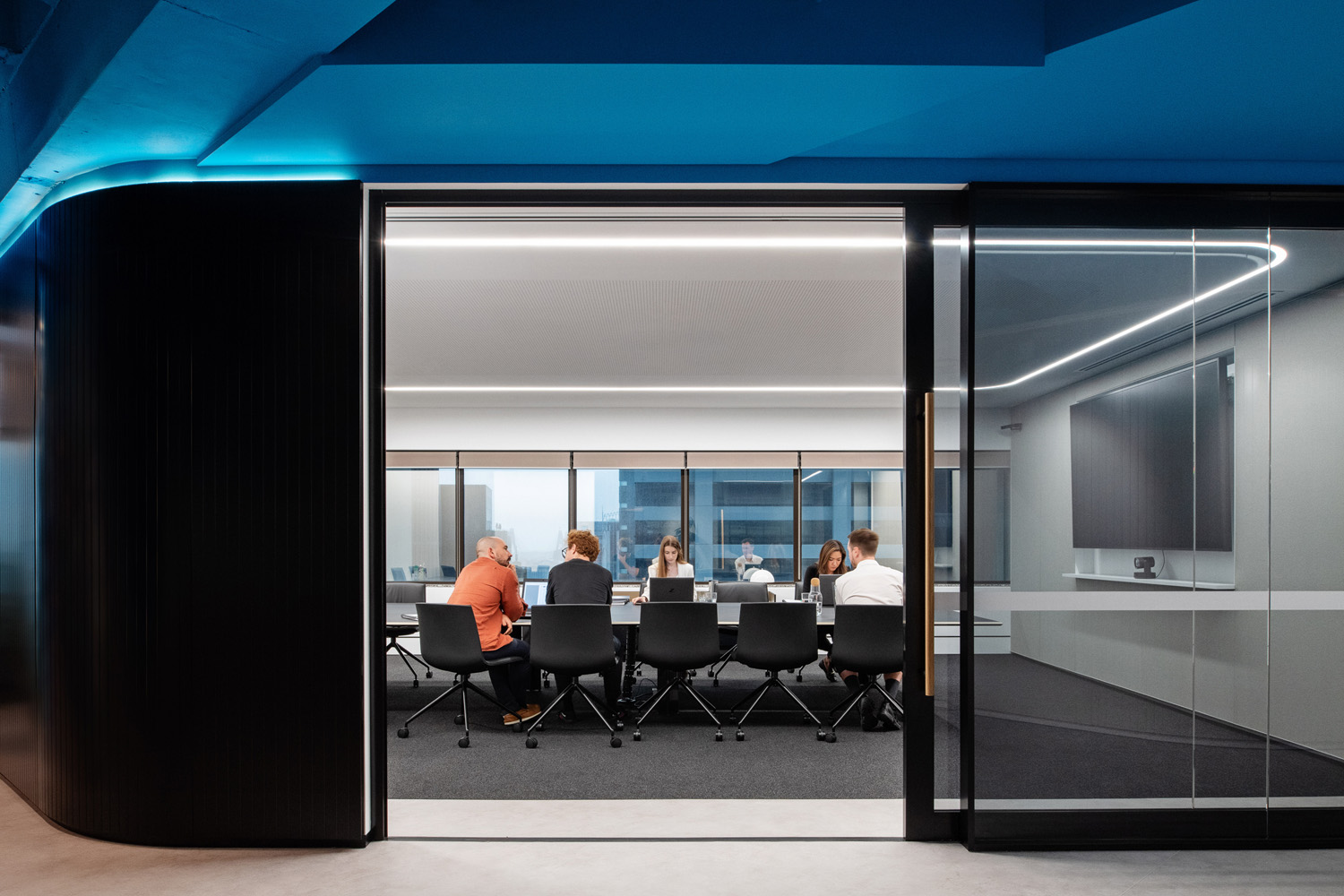
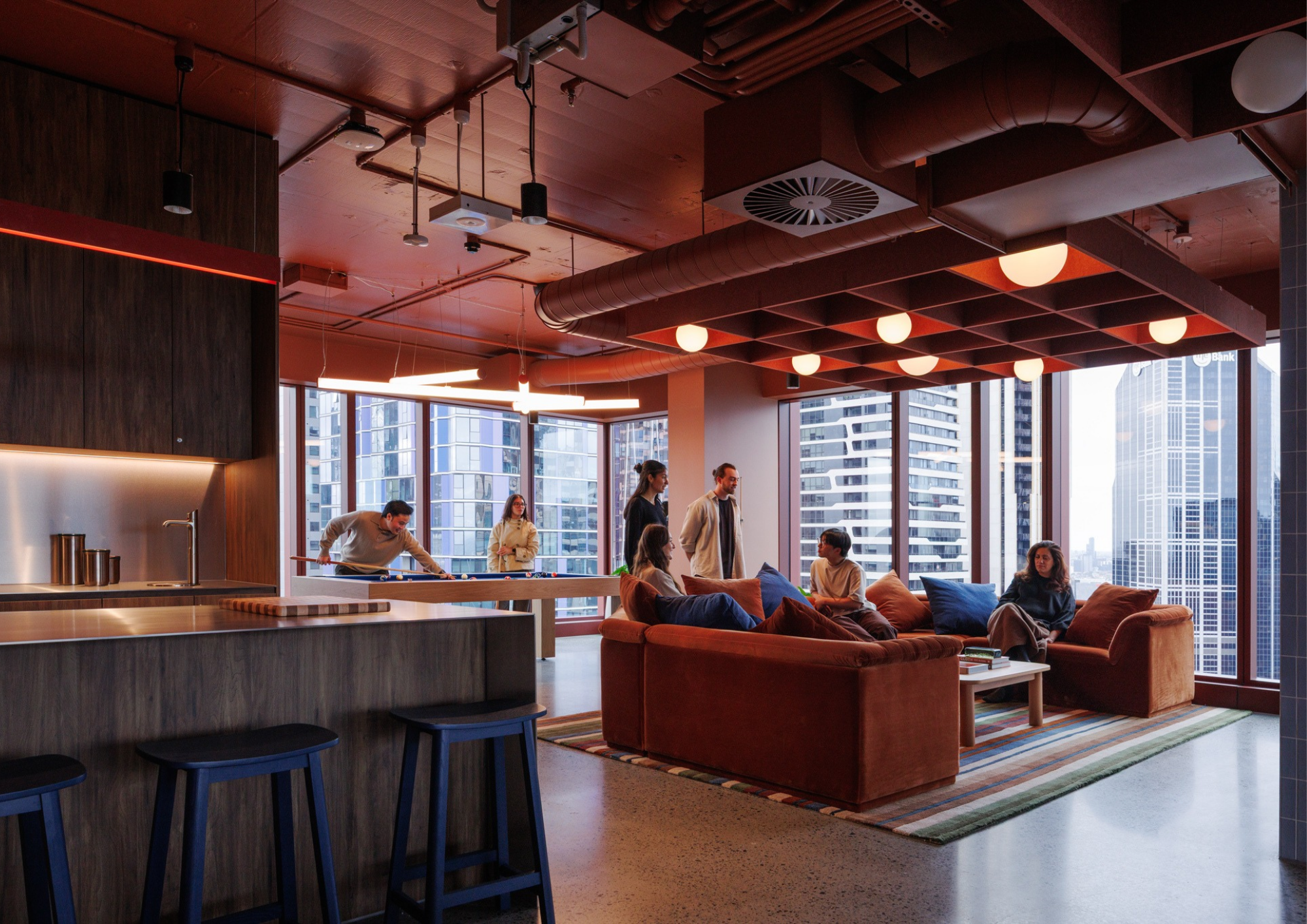
Images of HDR’s Sydney office and portrait of Simon Fleet supplied
Related: 30UNDER30 shortlist judge Alison Potter on how greatness stems from collaboration
You Might also Like
Related Stories

© Niche Media 2026