
The art of the surface: inside Neolith’s Melbourne launch of THE EDIT. A new material language
The art of the surface: inside Neolith’s Melbourne launch of THE EDIT. A new material language

Share

In the landscape of modern Australian architecture and interior design, material selection is rarely just a functional decision – it is a defining statement of design philosophy.
As practitioners across Victoria navigate evolving safety standards, environmental accountability, and an increasingly discerning client base, the demand for high-performance, conscious and tactilely expressive surfaces has never been higher.
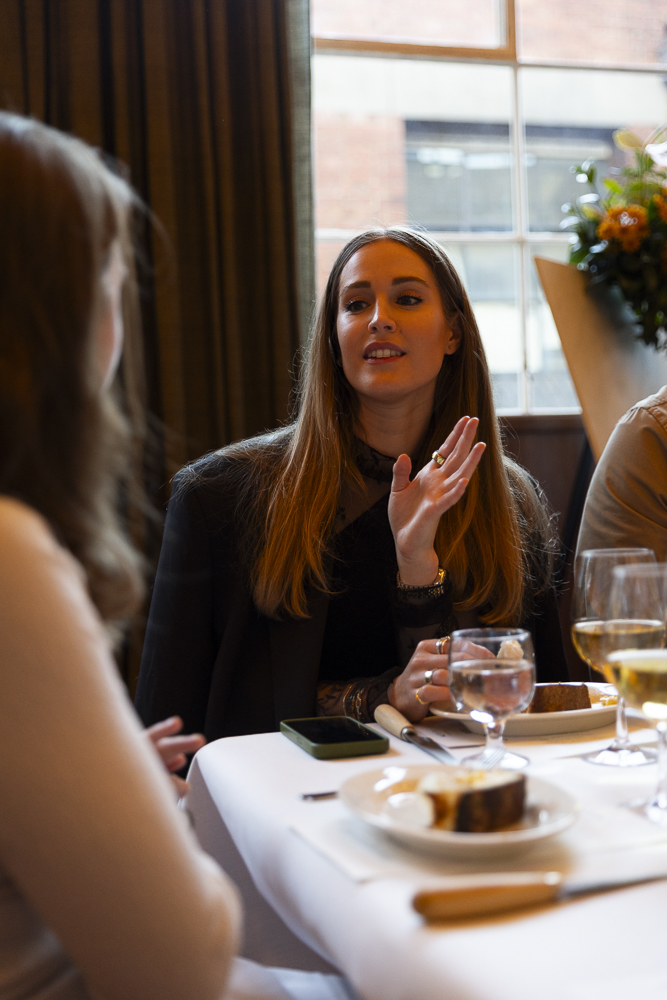
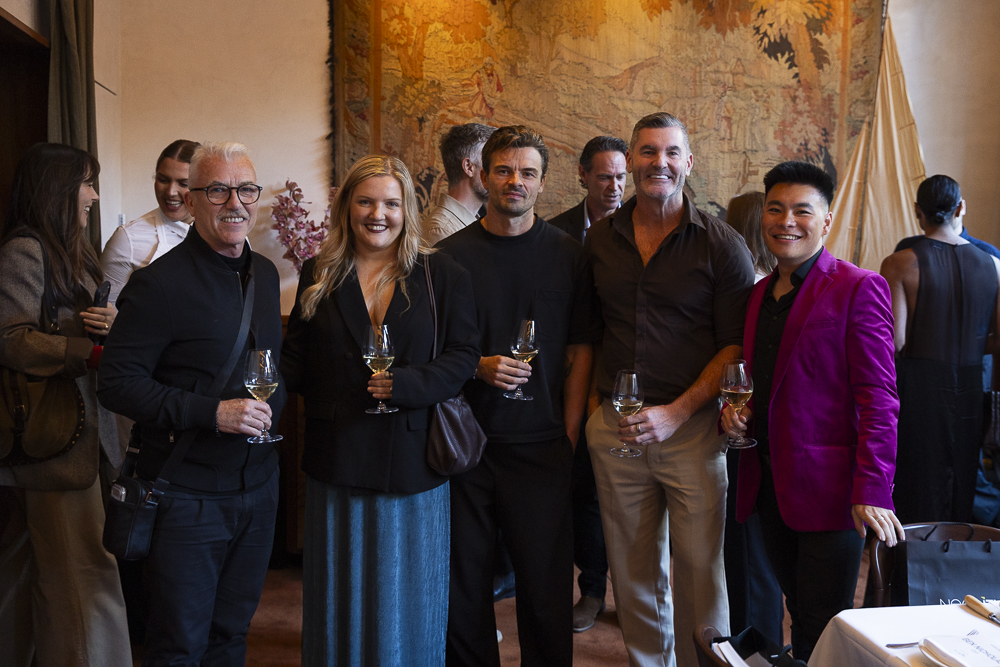
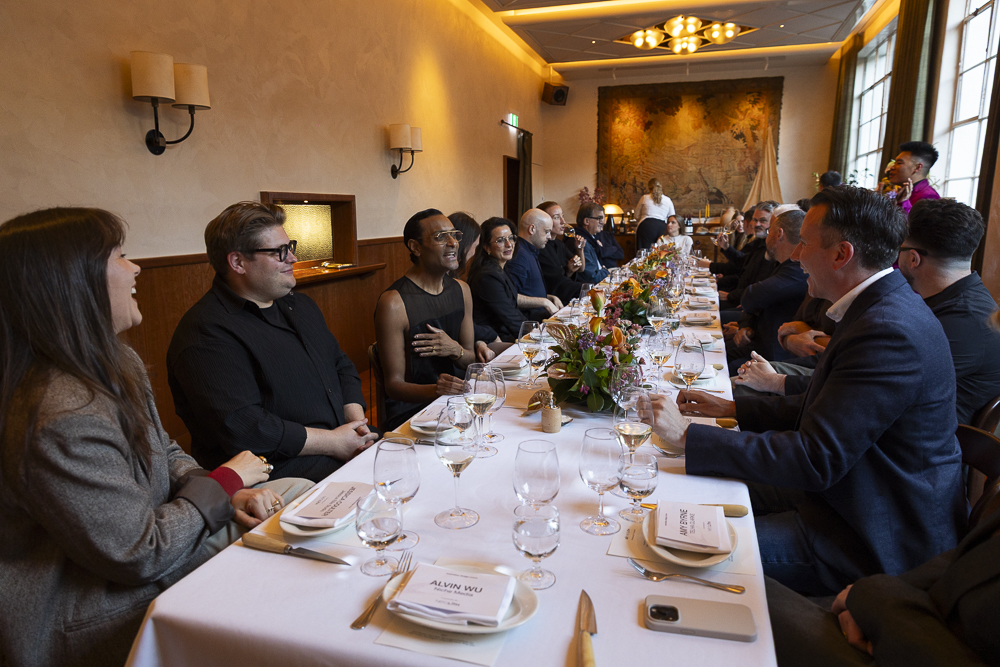
To mark its latest chapter in architectural surface design, Neolith hosted an intimate dinner with a curated cohort of Melbourne’s leading architects and interior designers to celebrate the launch of THE EDIT. A new material language.
Managing director of Neolith, Con Papadakis, welcomed the assembled diners and shared that this was a particularly significant occasion, as it marked the very first time Neolith was launching a product in Australia at the same time as in Europe.
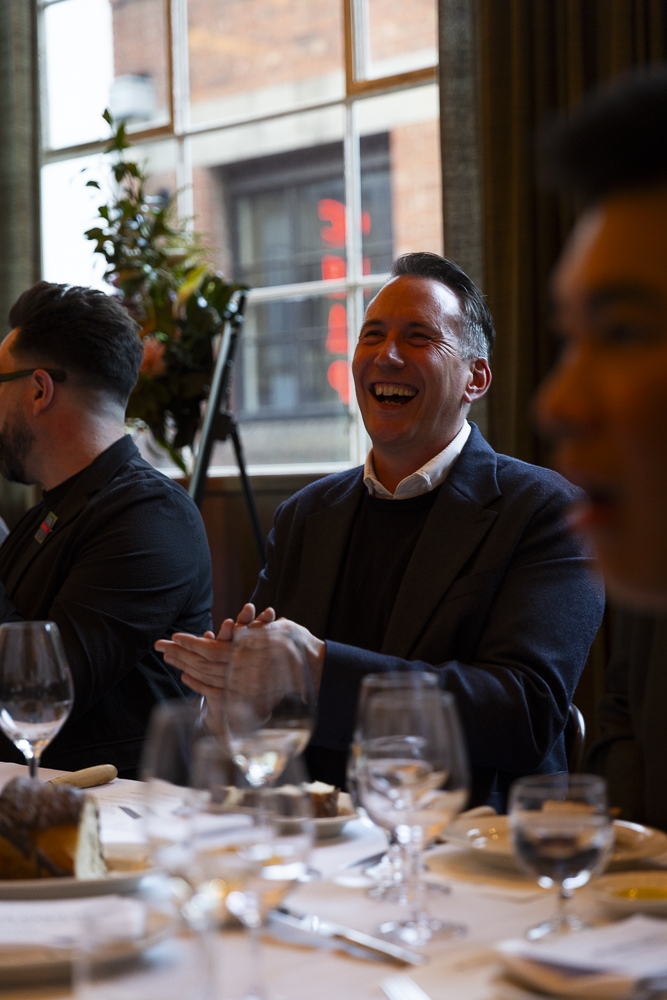
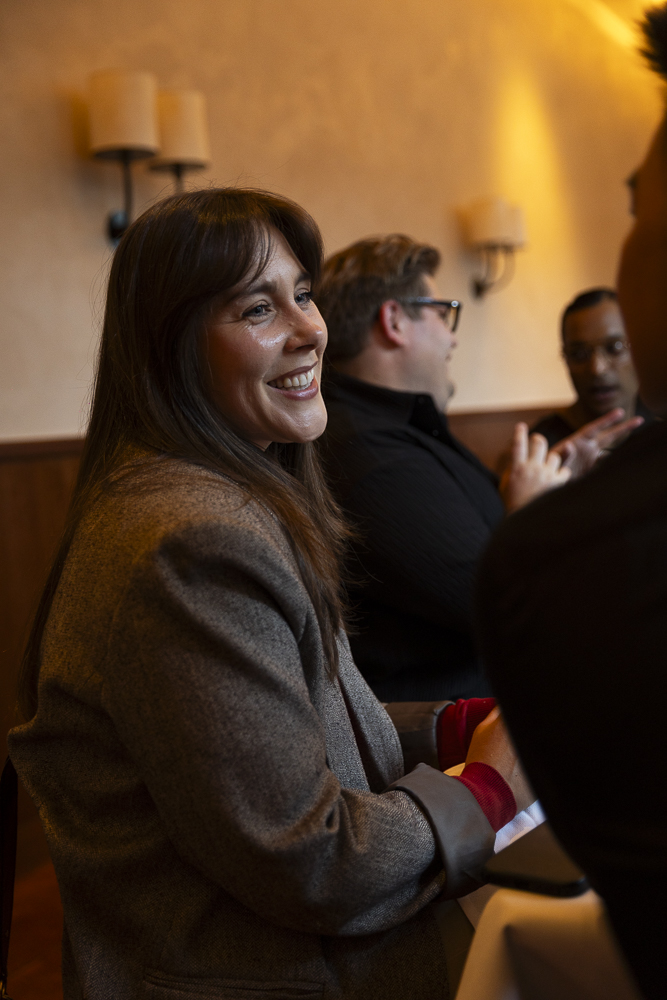
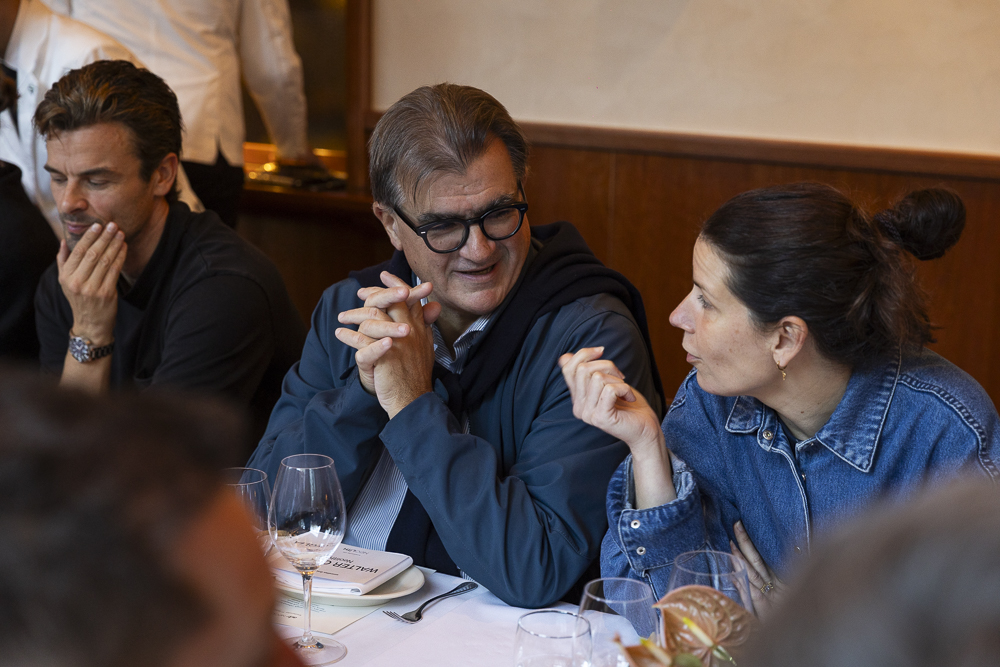
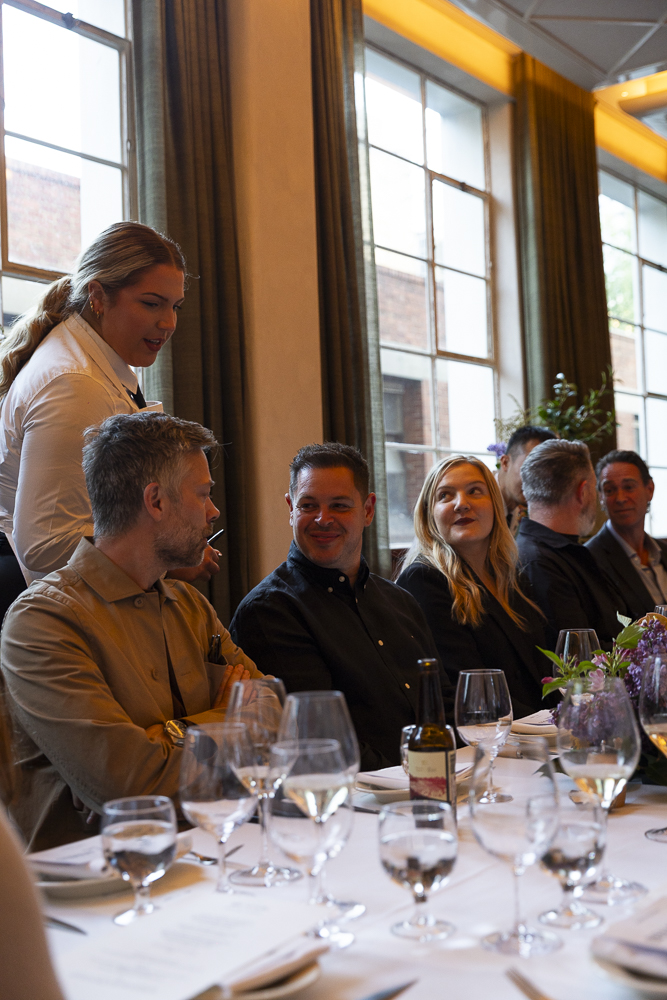
Set against the backdrop of Melbourne’s celebrated culinary scene, the evening provided a rare, unvarnished forum for the city’s design leaders to engage in candid conversation around the future of sintered stone, material safety, and the changing definition of luxury in contemporary spaces.
Redefining material luxury through precision
Much like European craftsmanship has historically elevated utility into an art form, Neolith’s approach to sintered stone bridges industrial precision with deep material empathy. This new product launch represents a deliberate departure from fleeting, trend-led patterns in favour of understated mineral depth, subtle undertones, and uncompromising technical performance.
Throughout the evening, conversation focused on how the collection’s refined palette – featuring nuanced tones like Pale Fossil, Dorset Mist and Serene Emerald – meets the subtle, light-conscious demands of southern Australian architecture. Rather than treating veining as a superficial print, Neolith’s advanced manufacturing integrates rich visual grain and micro-textures into the very body of the slab, finished in soft, tactile surfaces such as Honed and PETRA.
Conscious design for the modern Australian practice
For Melbourne’s architectural community, the launch of THE EDIT. A new material language comes at a pivotal moment. With the national design industry shifting decisively toward sustainable, silica-free and low-impact building materials, the dialogue over dinner naturally turned to safety, circular economy principles and long-term durability.
Engineered using natural, raw and recycled minerals bound under extreme heat and pressure, Neolith delivers a zero-added-silica surface solution that compromises neither structural strength nor aesthetic subtlety.
The gathering highlighted three core priorities for Melbourne specifiers today:
Tactile warmth: moving away from cold polished surfaces toward organic, mineral-inspired textures that absorb glare and invite human touch.
Uncompromising safety: achieving full regulatory confidence with zero-added crystalline silica formulations across both residential and commercial applications.
Seamless versatility: deploying ultra-thin profiles and large-format slabs across kitchen islands, wet areas, integrated joinery and exterior façade envelopes without visual interruption.
A new benchmarking moment for Melbourne interiors
As Melbourne continues to drive Australia’s interior design discourse forward, Neolith’s latest introduction underscores a broader shift within the practice: the future of surface design belongs to materials that balance environmental responsibility with architectural rigour.
By bringing together leading voices for an evening of shared insight, Neolith reaffirmed its commitment to collaborating closely with the design community – offering Australian practitioners a refined material palette crafted for the way we live today.
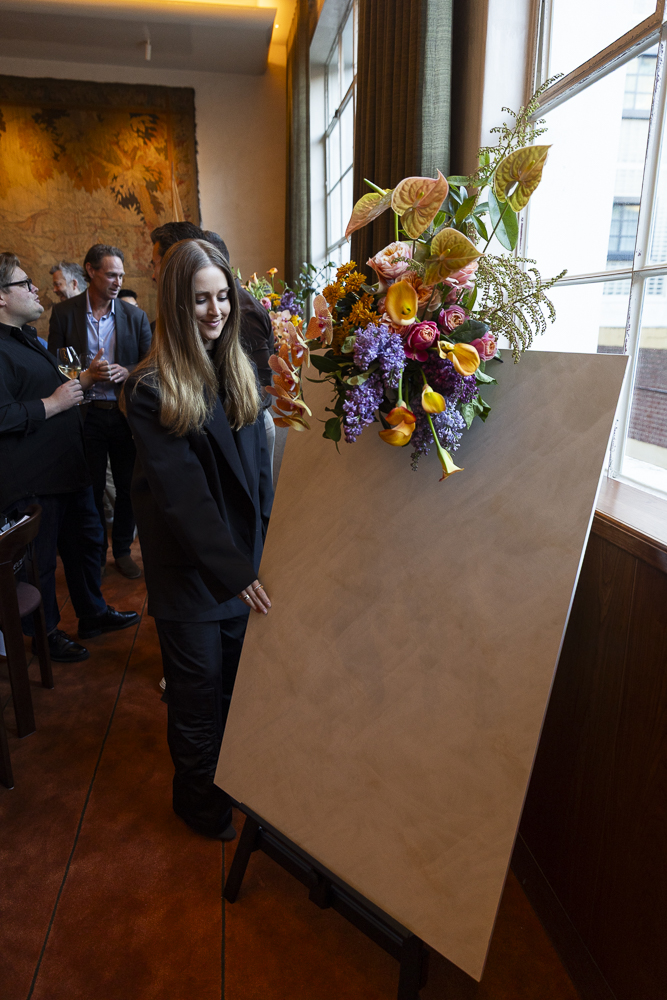
Photos: Scott Gick.

© Niche Media 2026