

From breaking ceilings to building successors: Lisa-Maree Carrigan

Share
After 25 years at GroupGSA, Lisa-Maree Carrigan reflects on leadership, legacy and leaving the practice stronger than she found it.
Long before architecture began talking seriously about female leadership, Carrigan had already decided where she belonged.
The daughter of a developer and an interior designer, Carrigan knew by the age of nine that she wanted to be an architect. After graduating with First Class Honours from the University of Newcastle, she built her career across Australia and overseas before returning from London in 2001 with a baby on her hip and little certainty about what came next.
A former colleague encouraged her to interview at GroupGSA. Two hours later, she had accepted a full-time role.
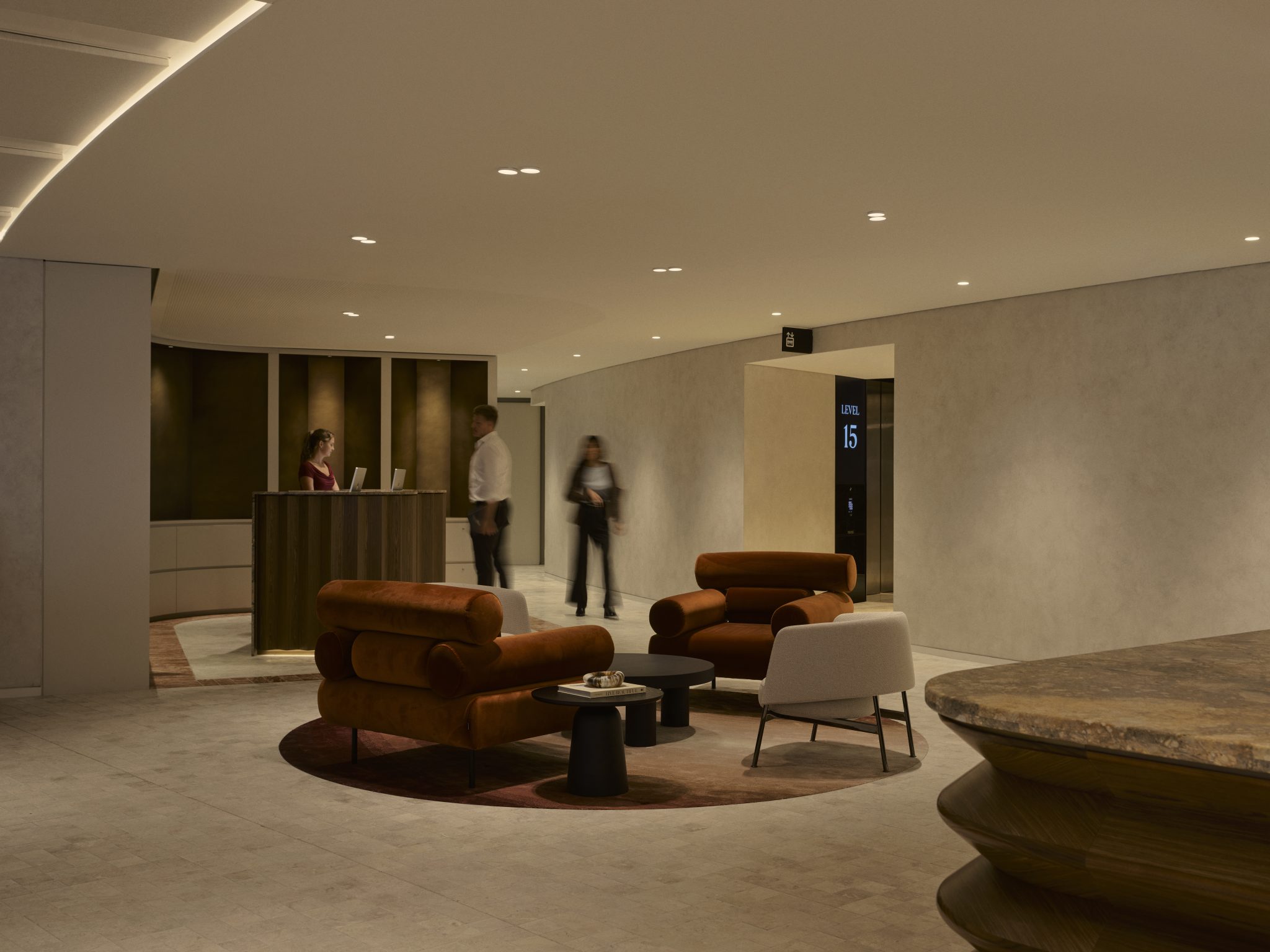
Within weeks, Carrigan was leading a design excellence competition for the first stage of Kingston Foreshore in Canberra, cutting her maternity leave short. The project was won, and what began as a return to practice quickly became the start of a 25-year career with the multidisciplinary design firm.
At the time, the practice employed 30 people working from a single Sydney studio under the leadership of Mark Sheldon, who trained under Harry Seidler. Today, GroupGSA employs more than 200 people across Sydney, Melbourne, Brisbane and Ho Chi Minh City, delivering architecture, interiors, landscape architecture and urban design at a precinct scale.
Much of that change has happened with Carrigan in the room. She has helped shape that transformation, progressing from architect to director and sitting on the Board in just six years while helping lead the firm’s management buyout and strategic repositioning in 2021.
Her career has unfolded alongside profound change in the profession itself. When Carrigan began practising, female directors in large architecture firms were rare, flexible work arrangements were almost non-existent and leadership often came at the expense of family life.
Today, as a director and owner, she has helped foster a culture where those barriers are steadily being dismantled. For the past three years, GroupGSA has reported a median gender pay gap falling annually from 5.6 percent to -13.8 percent – one of the strongest results among Australian architecture firms as captured by the Workplace Gender Equality Agency (WGEA).
Alongside fellow director Nancy Piazzolla, Carrigan has helped drive that change from within, creating clearer pathways to leadership and fostering a culture where careers no longer have to come at the expense of family.
For Carrigan, who continues to actively lead major city-shaping design projects, success won’t be measured by the projects she leaves behind, but by the practice she leaves in the hands of the next generation.
“If we leave the practice in better shape than when we took it on, we’ve done our job,” she tells Australian Design Review (ADR).
Here, Carrigan reflects on her quarter-century milestone at the firm.
ADR: What are some of the biggest changes you’ve witnessed in architecture over the past two decades?
Lisa-Maree Carrigan: When I was a young architect, I had almost no female role models. Louise Cox AO was one of the few women leading a large practice. That’s changed enormously.
Positive role modelling is incredibly powerful. People need to be able to see a pathway to leadership. I think we attract exceptional female professionals because they can see there isn’t a glass ceiling at GroupGSA.
I’m particularly proud that the shift happened organically. It wasn’t driven by quotas or policy; it came through recognising talent and making female leadership visible. Our WGEA results reflect that change.
Flexibility has also transformed the profession. Twenty-five years ago, I couldn’t have built the career I have today while working part-time. I could have reduced my hours, but I wouldn’t have become a shareholder or a director.
My husband is also an architect and director of his own practice. He and I shared parenting equally, and we were both committed to being present for our son – the school sports day, the speech nights and award ceremonies. That balance came with a lot of personal sacrifice. My first design competition at GroupGSA involved long hours and very little sleep.
I’m delighted that’s no longer the expectation. Today, people can build a career, become a principal or an owner and still work flexibly. I’m fiercely protective of that culture and enabling a more balanced and welcoming environment for our team members who have families, caring responsibilities and lives outside work.
ADR: Your commitment to gender equity extends beyond the practice. Why was that important to you?
We support and elevate women within the practice every day. When we restructured the business five years ago, this looked like a breakfast and group photo with cupcakes on International Women’s Day.
We wanted to have a broader impact. We decided to fund organisations supporting women who don’t have the same opportunities or support systems. We’ve contributed to paying Indigenous women’s fines to help keep them out of prison, supported refugee communities, Ukrainian women architects and organisations working with women experiencing domestic violence.
We want to enable the lifting of all women up so they can realise their potential, and hopefully become architects, urban designers, landscape architects and interior designers, and give them the capacity for safety, dignity and choice.
ADR: What are you most proud of after 25 years?
I’m proudest of where the practice is today. We’ve had the strongest year in our history – not only financially, but in the quality of our work, the scale of our projects and our culture.
The management buyout five years ago wasn’t easy. We were navigating COVID, restructuring the business and delivering major projects simultaneously. But we had a clear vision of where we wanted the practice to go.
What makes me proud is seeing that vision come to life. We’ve created stronger pathways for succession, attracted exceptional people and built a practice that is thriving. That fills me with pride every day of the week.
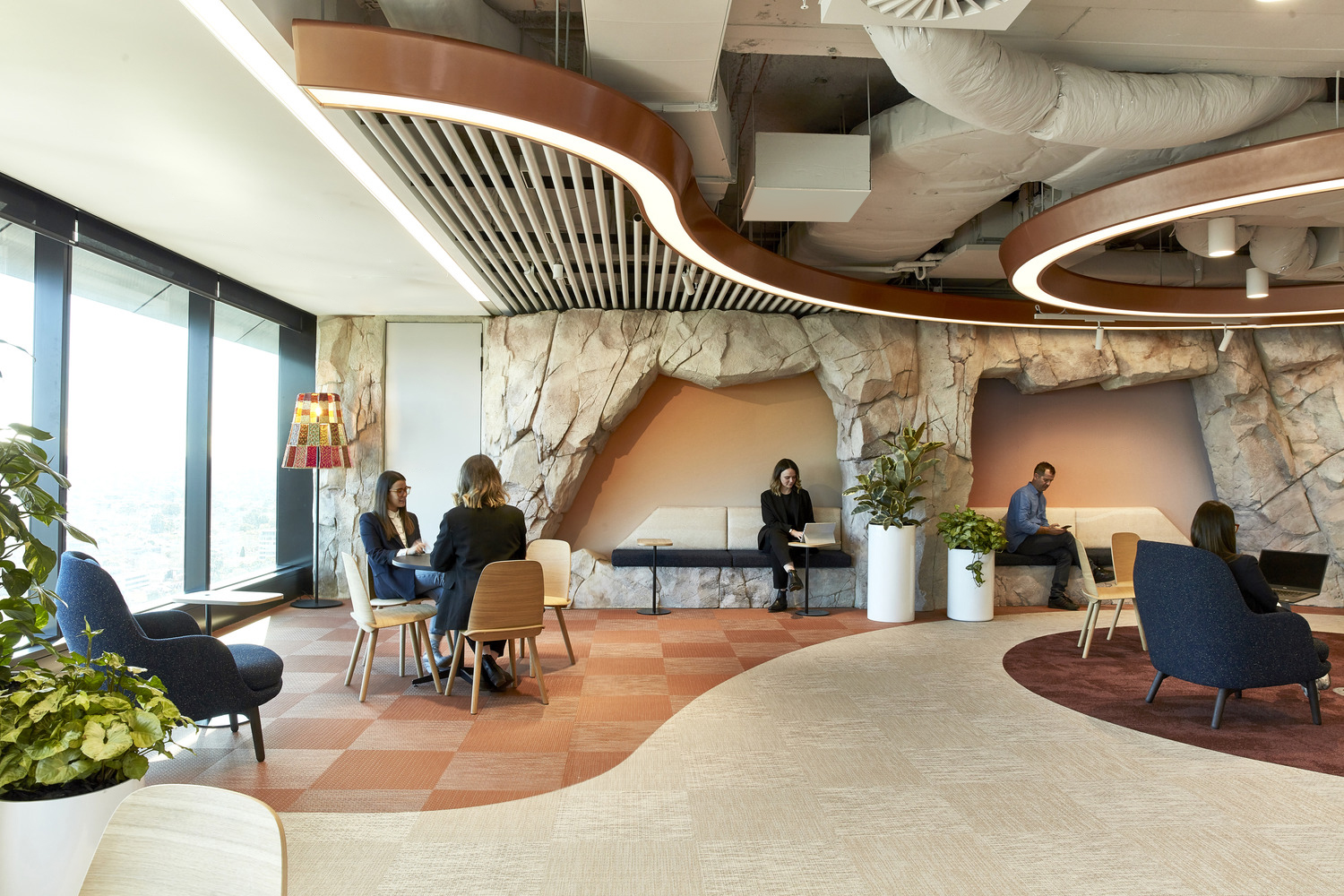
ADR: How do you balance commercial realities with design ambition?
I actually think good design produces profitability.
That doesn’t mean expensive materials or elaborate detailing. It means getting the fundamentals right and focusing on what’s best for the project rather than individual egos.
Over the past five or six years, the scale of our work has changed dramatically and we have a very high percentage of repeat clients. We’ve moved beyond individual buildings to large masterplans, town centres and catalytic precincts that influence how communities grow and function.
That comes with a real responsibility. These projects create homes, public spaces, transport connections and community infrastructure that people will live with for generations. Every decision has a lasting impact.
We see ourselves as enablers rather than drivers. Government policy, developers and communities all play important roles, but our job is to help deliver places that respond thoughtfully to density, strengthen public life and create genuine community benefit.
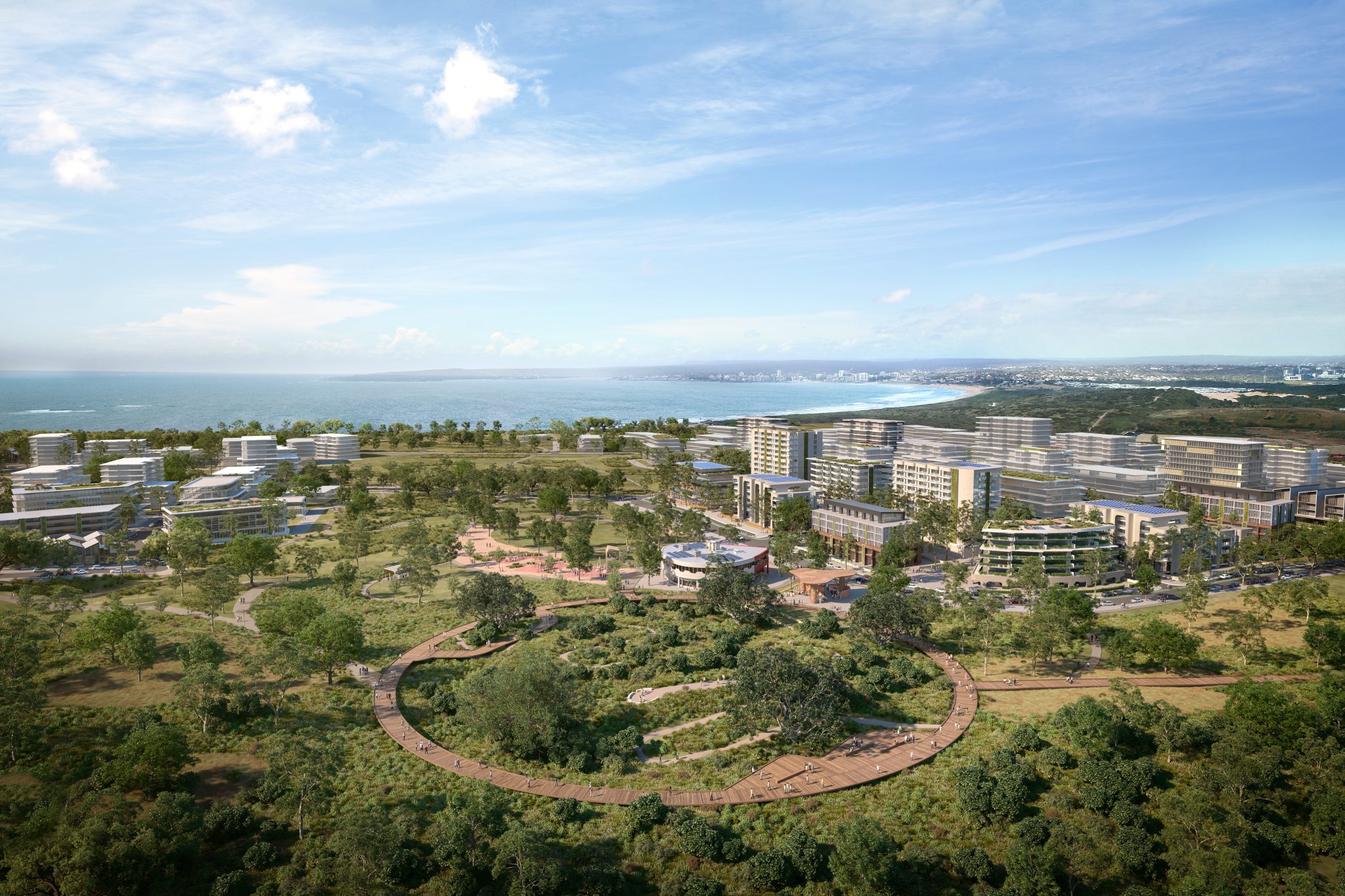
ADR: What project are you most proud of?
That’s difficult because they’re meaningful for different reasons.
The Kurnell Masterplan stands out because of the responsibility that comes with it. It’s an incredibly significant site and the process has involved deep engagement with First Nations communities. Being trusted with that work has been a genuine privilege.
When I joined GroupGSA, a project at that scale would have been a pipe dream for the practice. Today, we’re working on multiple precincts simultaneously. That shift has been incredibly rewarding because it gives us the opportunity to contribute to cities in a much more meaningful way.
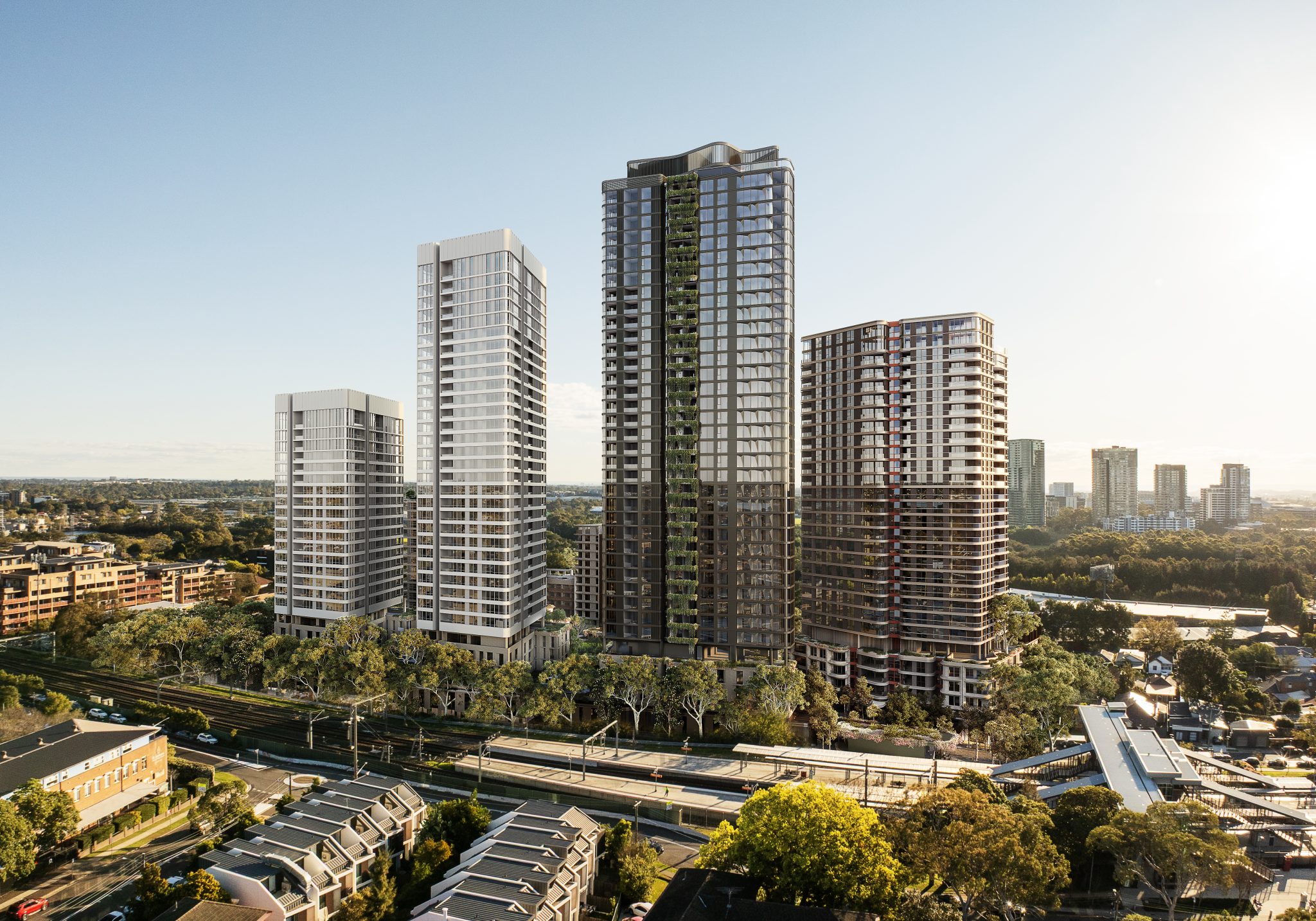
I’m also incredibly proud of Concord Central. It’s a different kind of project because it has been so collaborative. We led the masterplan, but we’ve also worked alongside three other architectural practices on the SSDA. I really value that exchange of ideas. Each practice brings a different perspective, yet together you’re creating something much richer than any one practice could achieve alone.
Interestingly, that’s the complete opposite of a design excellence competition. Competitions can be exciting, but they’re also quite artificial. You’re working in isolation, without the benefit of ongoing conversations with the client or the wider consultant team. Collaboration is much more rewarding, and produces richer outcomes.
I also really enjoyed the design excellence competition we completed with landscape architecture practice Salad Dressing for a mixed-use tower at Rhodes. It reminded me that good design comes in many forms, but the projects I value most are those where collaboration ultimately produces the strongest outcome.
ADR: What excites or concerns you about the future of architecture?
Technology can generate information, but it can’t replace emotional intelligence.
AI is proving to be a powerful tool, but it isn’t the outcome. As designers, it can help us analyse information and develop evidence-based propositions, but it shouldn’t replace creativity, judgement or human connection.
Our clients don’t come to us for images… although we’ve all experienced a client who will put an image in ChatGPT and go, here! They come to us because they need someone to understand people, places and communities.
As technology improves repetitive tasks, architects need to become even better at the things technology can’t do, like collaboration, empathy and design intelligence.
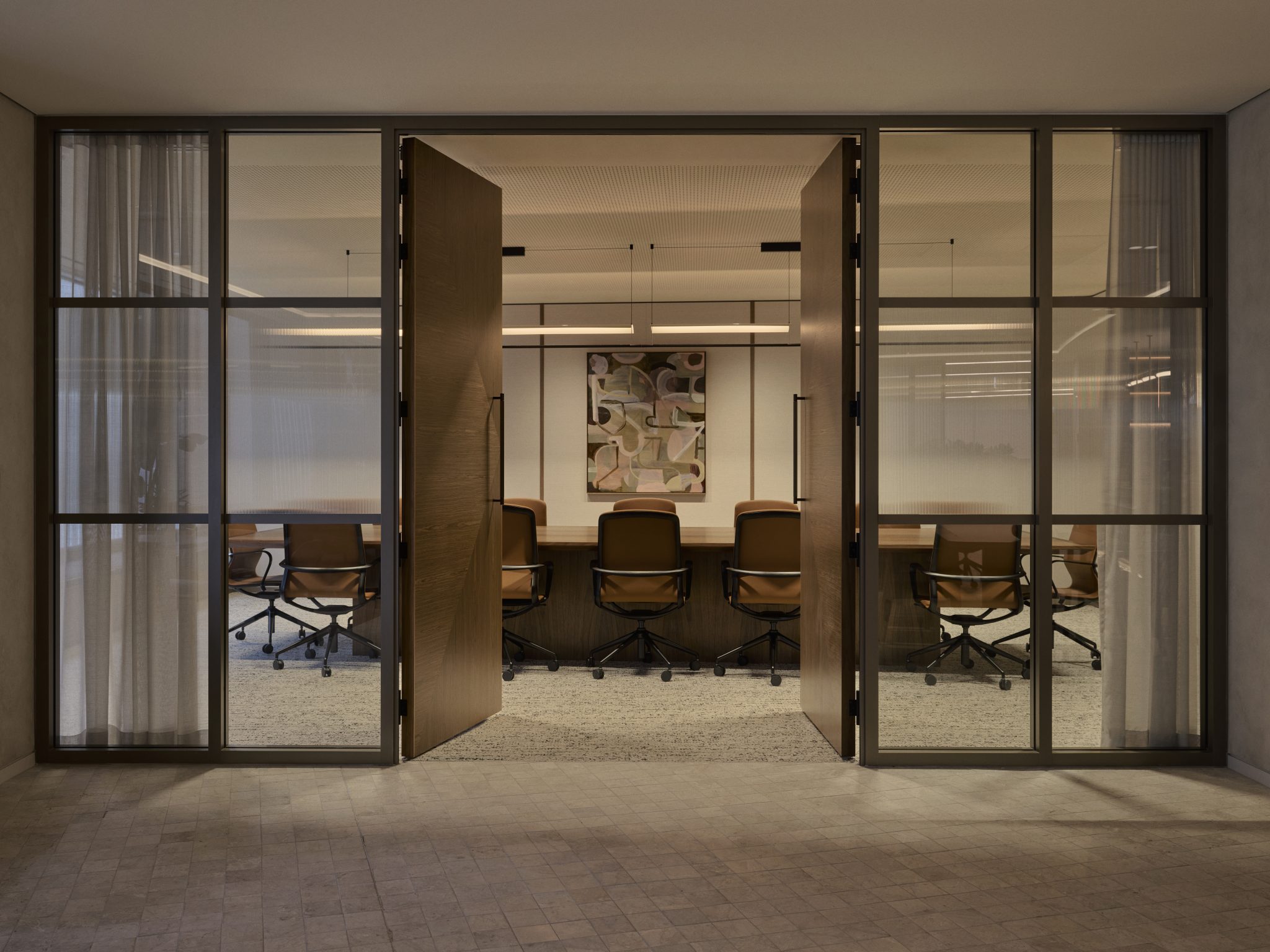
We’re not existing in a metasphere; we’re existing in built form, in cities and real places with granularity and sun and weather and all of those real things. Connection to humanity and what makes us human, from both a philosophical and a physical sense, is what we must focus on.
ADR: What do you hope GroupGSA looks like in another 25 years?
I hope that when I’m no longer here, I can look back and think, ‘How amazing is that? I can’t believe what they’ve achieved with the practice.’
What excites me most is seeing our next generation of leaders – the executive team, principals, associate principals, associate directors and associates – take the practice even further. Like any custodian, you want the next generation to do better than you did.
Nancy and I often talk about stewardship. Our responsibility is to leave the practice in better shape than when we took it on. We’re already planning succession well into the next decade because the future of the practice shouldn’t depend on any one person.
If, in another 25 years, GroupGSA is delivering even better projects, creating even greater opportunities for its people and continuing to make a positive contribution to cities and communities, then I’ll be incredibly proud.
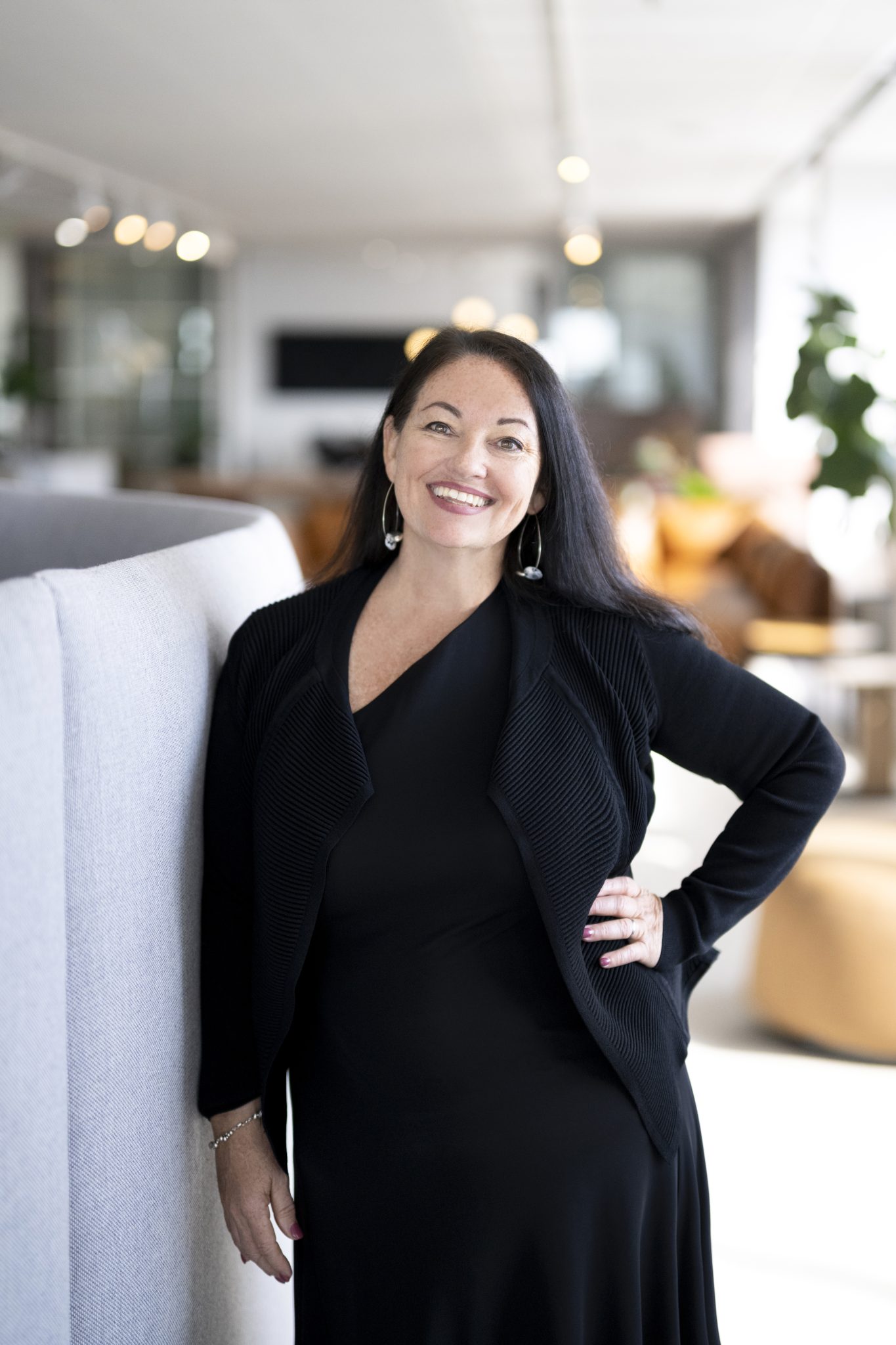

Top photo of Lisa-Maree Carrigan by Alicia Taylor.

© Niche Media 2026