

Adelaide Design Week 2026 showed a city connected by design

Share
Adelaide Design Week returned for its second edition in October, bringing together a diverse community of designers, architects, artists and makers for five days of exhibitions, installations, conversations and encounters that celebrated the people steering South Australia’s design direction.
With 88 events spanning more than 20 neighbourhoods, the hugely expanded festival offered a compelling snapshot of a creative community increasingly confident in its identity, ambition and capacity for collaboration.
Running from 14 to 18 October under the theme everyone*, the independently initiated, volunteer-led festival set out to position design as a fundamentally human practice. Rather than focusing solely on finished objects or polished outcomes, the program explored the relationships, shared knowledge and creative exchanges that sit behind the things we make and the spaces we inhabit.
The result was a city-wide celebration that reached well beyond conventional exhibition spaces. Galleries, retail shopfronts, studios, workshops and unexpected urban locations became places for experimentation and dialogue, bringing design into everyday public life and encouraging audiences to engage directly with the people and processes behind it.
Slotted in
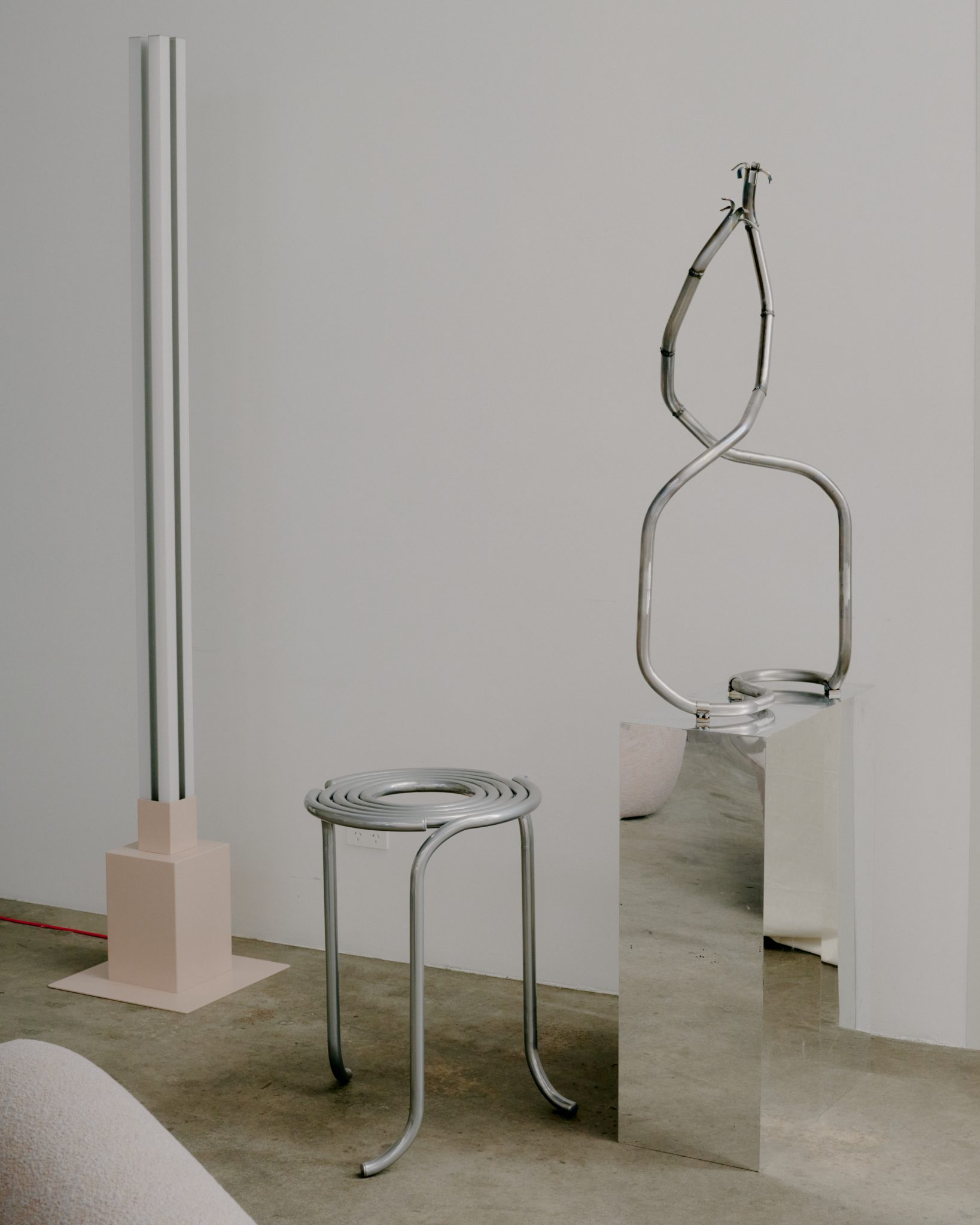
Two exhibitions in particular captured the spirit of this year’s program: SLOT and soft. While materially and spatially quite different, both explored connection as a central proposition, demonstrating how design can create opportunities for exchange through the relationships between objects, materials, people and place.
Curated by architect, designer, educator, Adelaide DesignWeek co-director (and all-round powerhouse!), Bronwyn Marshall, SLOT brought together an expansive group of designers, artists and makers to investigate the possibilities of a deceptively simple idea: joining materials through the act of slotting.
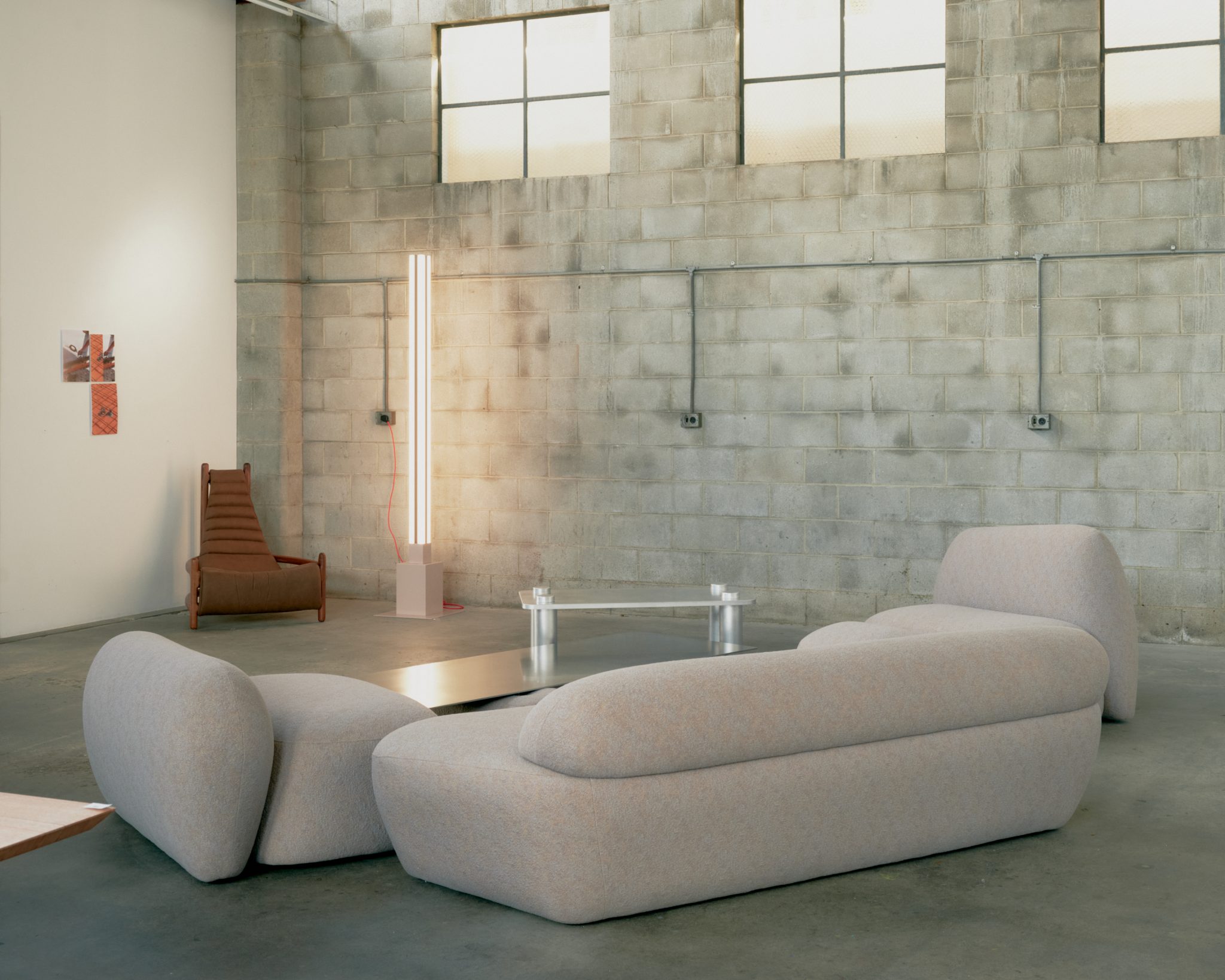
Hosted by SODA Objects, the exhibition challenged participants to consider the joint not simply as a structural necessity but as an opportunity for creative expression. Conventional fixings were set aside in favour of connections in which individual elements intersect, interlock and hold together. The resulting works ranged from functional objects to sculptural explorations, with the mechanics of assembly becoming an integral part of each piece’s identity.
The strength of the exhibition lay in the variety of interpretations generated by its deliberately focused brief. By placing limitations on how materials could be joined, Marshall encouraged practitioners to think more carefully about material intelligence, construction and the relationship between form and function.
As Marshall explained, the exhibition was interested in “the intelligence of connection, and how individual elements come together to create something greater than their parts”. It was a simple premise that opened up a broad range of responses, revealing how constraint can become a productive starting point for experimentation.
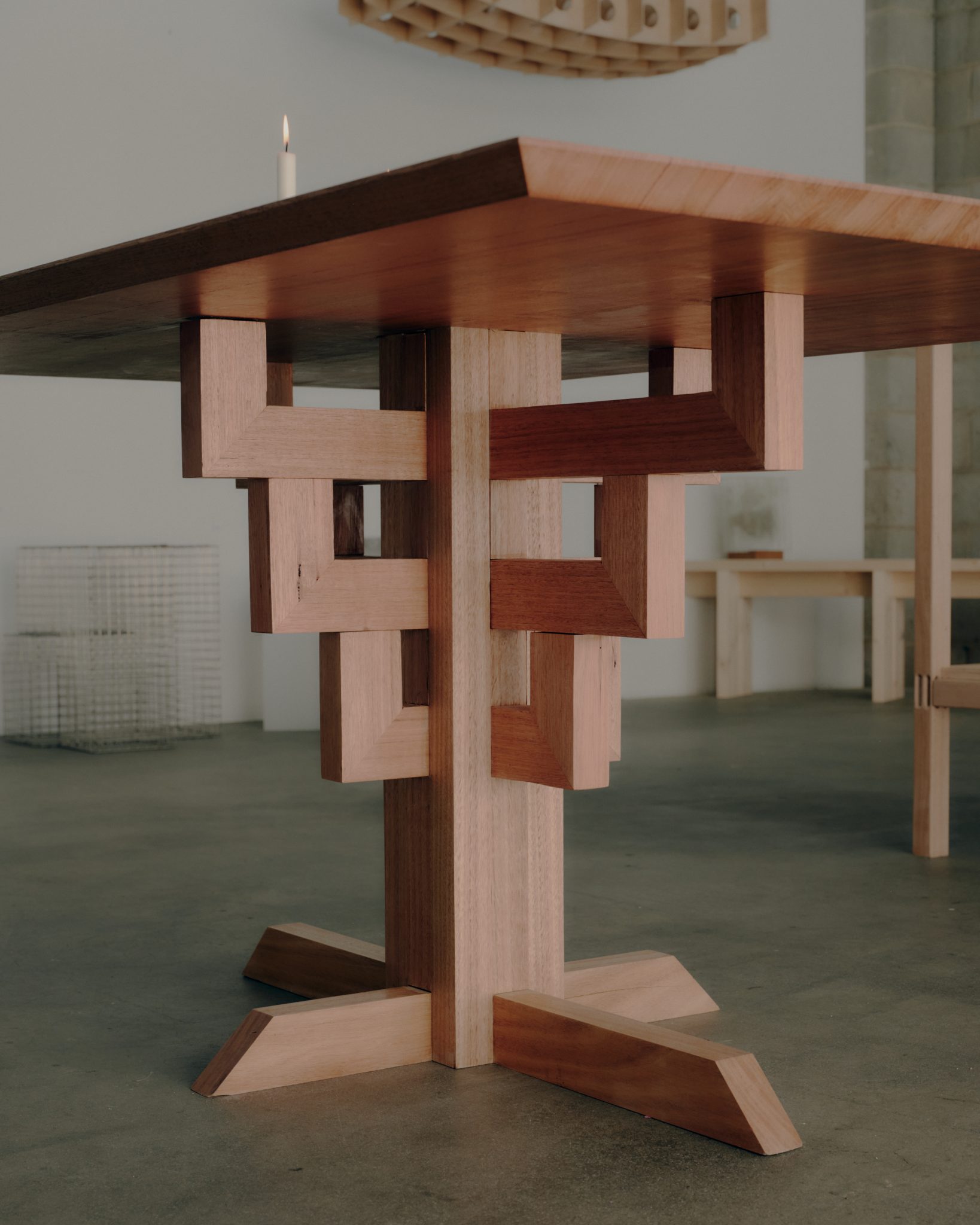
Featuring more than 30 contributors, including Ailish Ling, Andrew Barker, Conor Mannering, David McMurray, Elijah Makris, Kim Bridgland, Nat Penney, Penny Fisher, Richard Le Messurier and Sonja Danilovic, SLOT also reflected the collaborative ethos underpinning Adelaide Design Week. Its emphasis on the relationship between individual components offered a fitting metaphor for the wider festival: distinct creative practices coming together to produce something richer than the sum of their parts.
Softly, softly
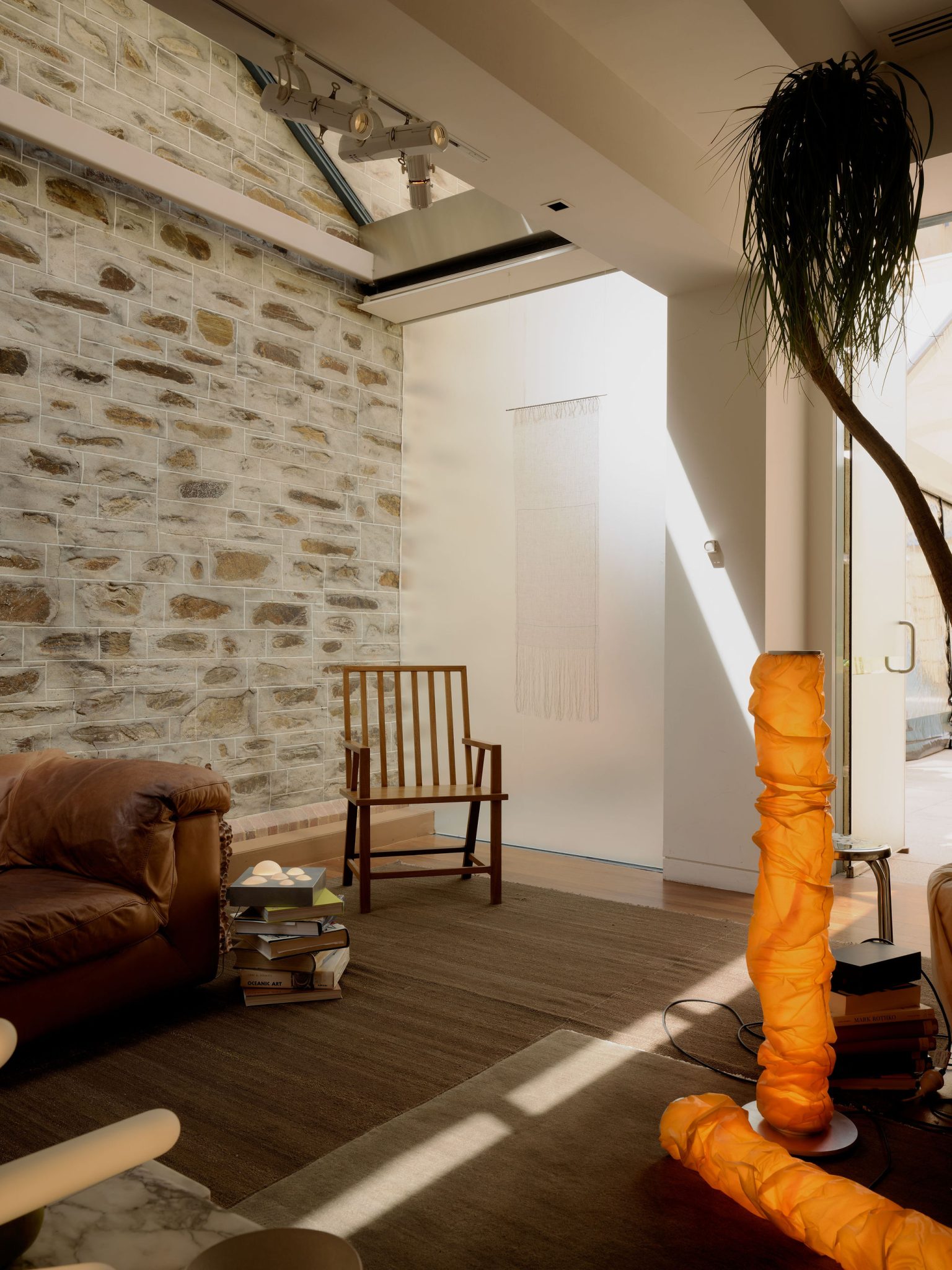
At the Art Gallery of South Australia (AGSA), soft approached the idea of connection from an entirely different perspective. Presented by designers Andy TT and Calum Hurley, the fourth iteration of the project marked a significant shift from its previous domestic settings, moving for the first time into a major cultural institution.
Occupying a meeting room normally used by the Gallery’s staff and Board, soft temporarily transformed an administrative environment into an intimate, hospitality-led gathering space. The room’s usual furniture and technology were removed, making way for an installation that encouraged visitors to sit, spend time and engage with contemporary Australian design in a more informal and personal way.
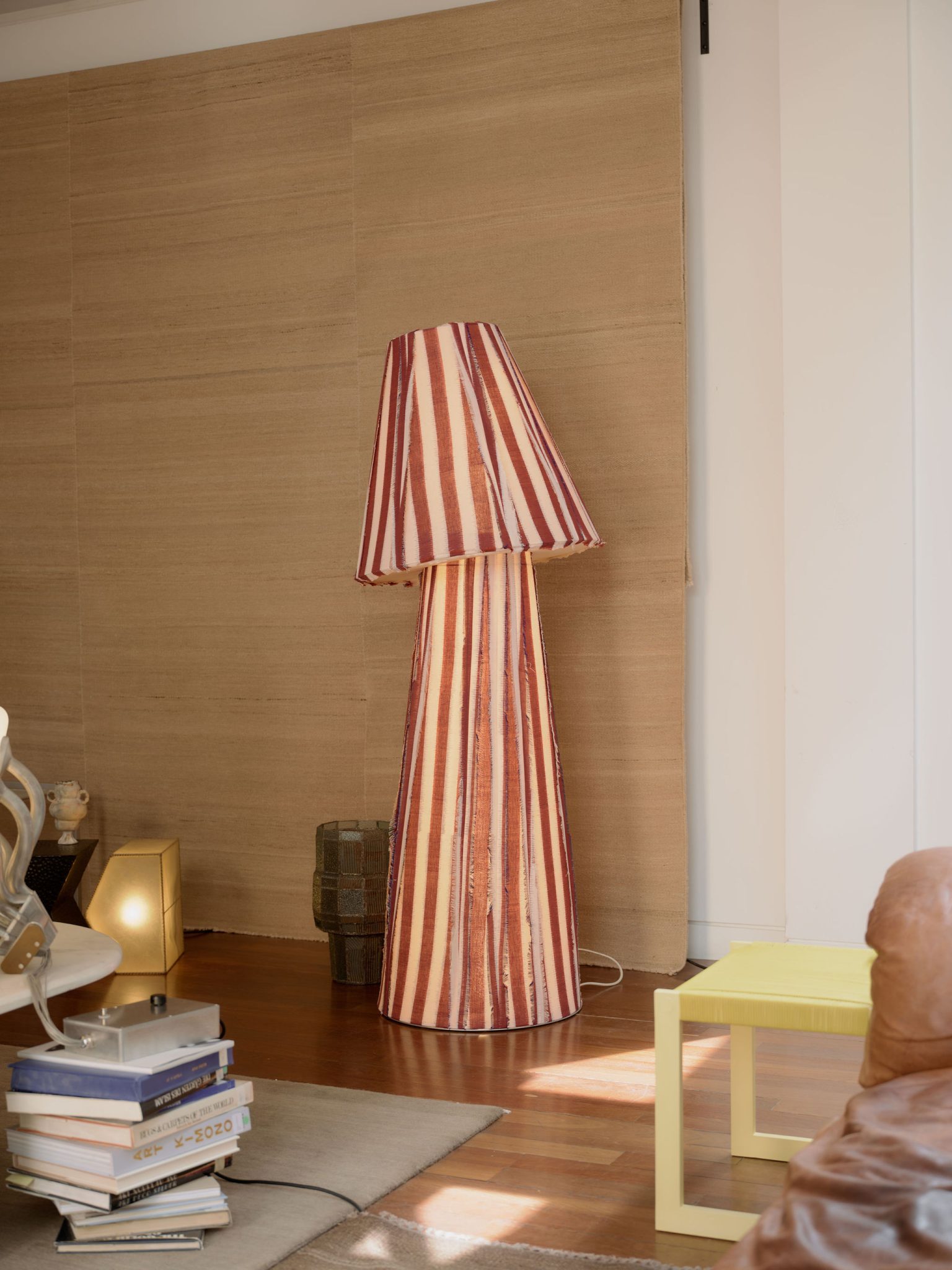
Featuring 22 practitioners selected through an open expression-of-interest process, the exhibition included the work of Drew Abrahamson, Claire Markwick-Smith, Bel Williams and Dean Toepfer, among others. Rather than presenting design as a conventional display of objects, Andy and Calum created an environment in which material, conversation and human connection were equally important.
The project’s domestic sensibility was central to its success. Previous editions had occupied rented homes, temporary residences and holiday houses, using familiar environments to explore contemporary design through the rhythms of everyday life. At AGSA, that same sense of comfort and hospitality was introduced into a space traditionally associated with institutional decision-making and cultural authority.
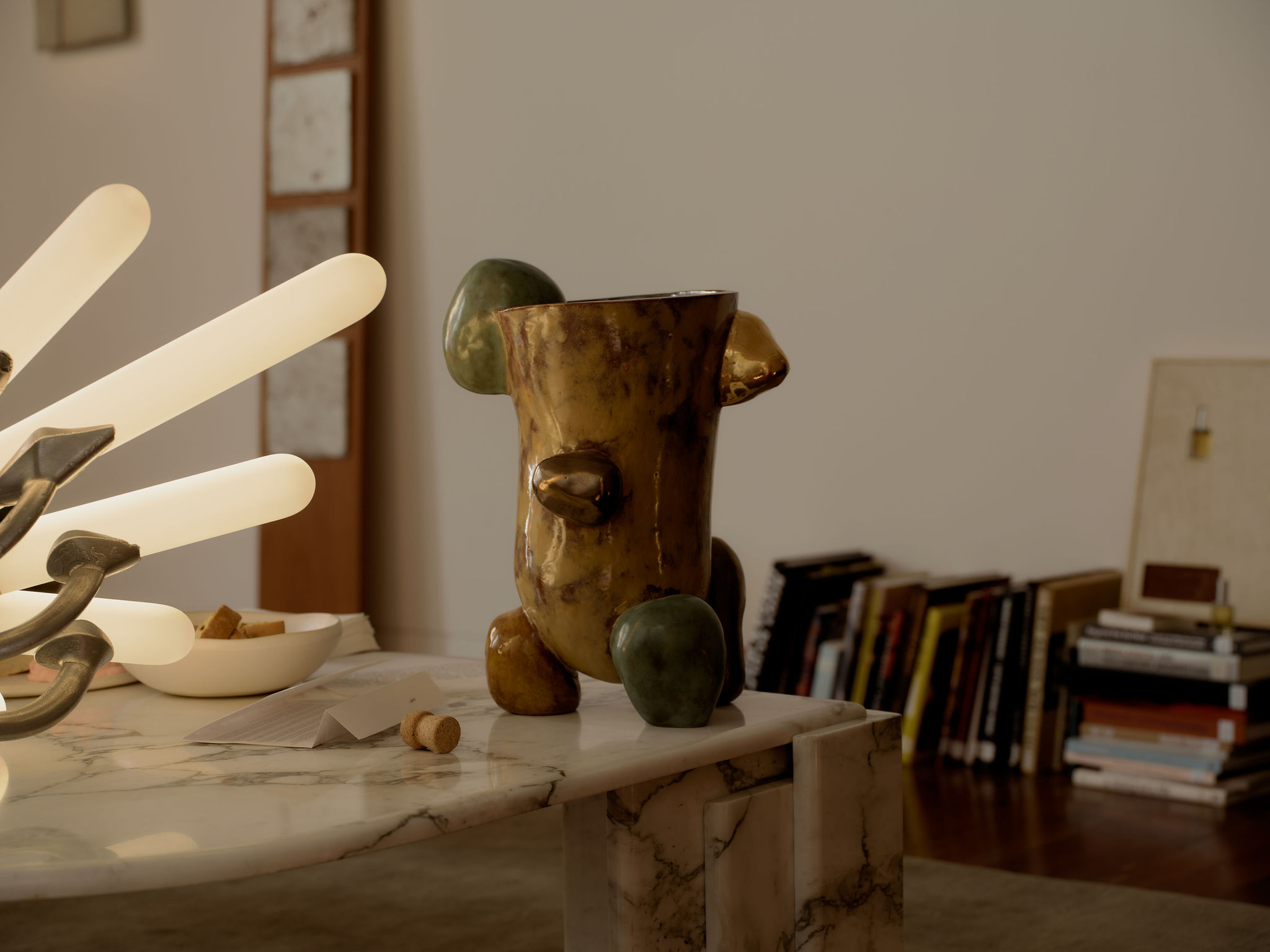
In her accompanying essay, Rebecca Evans, curator of Decorative Arts and Design at AGSA, described soft as part public program and part installation, but above all a project centred on community, conversation and hospitality. The invitation was straightforward: “Please, do sit. Please bear with us; we are trying something new.”
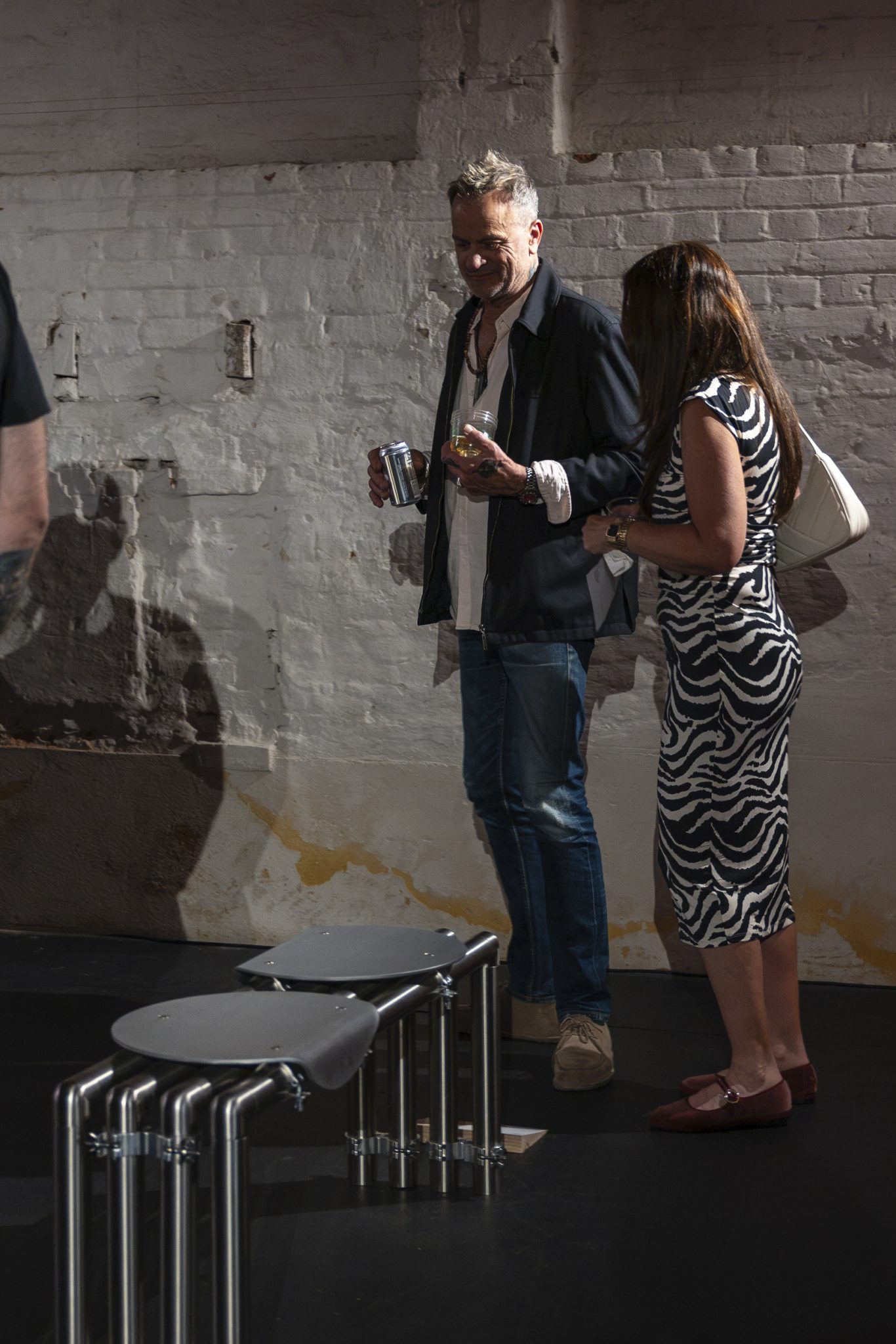
Across its three days, soft welcomed more than 400 visitors, demonstrating the appetite for accessible, considered encounters with design. Its success lay not simply in the work on display but in the atmosphere it created – one that encouraged people to linger, meet practitioners and establish new relationships.
Transforming the city
Beyond these two exhibitions, Adelaide Design Week’s breadth was evident in a program that included Short Notice, a concept by Michael Kutschbach that invited 50 designers to contribute to a spontaneously assembled exhibition, and Benched, bringing more than 40 creatives together around the idea of the bench. The Shopfront Design Circuit connected local businesses with designers and architects, transforming retail windows into public-facing installations, while Processed, presented by Industrial Design Exchange Adelaide, revealed the often-unseen processes behind South Australian industrial design.

Other highlights included a couple of Unbuilt symposia, examining unrealised architectural and design projects, Public Notice, exploring graphic design as a means of communication and expression, and At The Table, which brought curated furniture, tableware and food together in an immersive dining experience. Talks, walking and cycling tours, open studios and discussions around urban activation extended the festival’s reach into the city itself.
What emerged was a picture of Adelaide’s design community as both locally grounded and increasingly connected to national and international conversations. The relatively compact geography of the city allows disciplines and practitioners to intersect with an immediacy that can be harder to achieve in larger centres.
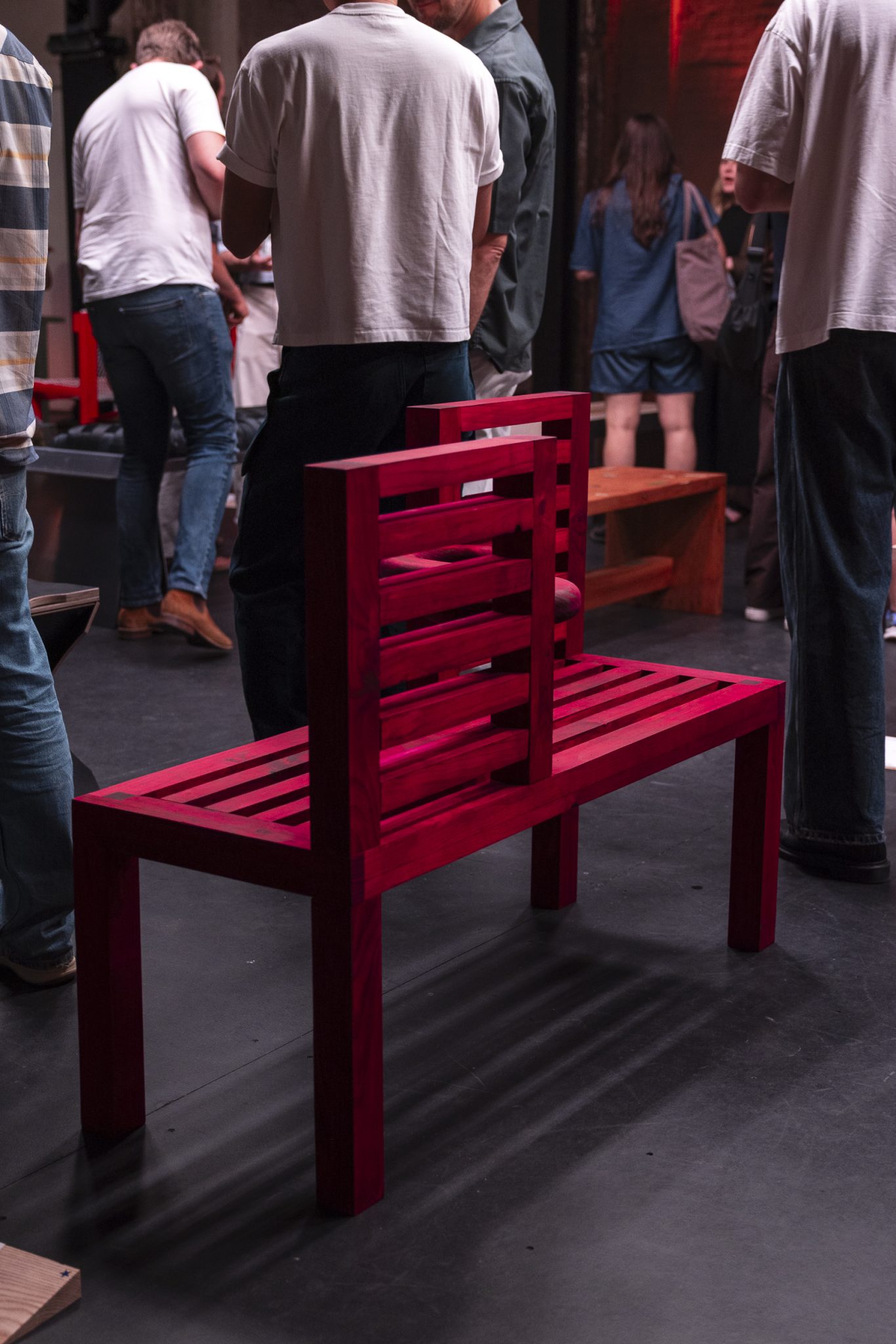

Ultimately, the value of Adelaide Design Week lies in its ability to make those connections visible. SLOT demonstrated how individual elements can come together through material ingenuity, while soft showed how thoughtfully considered environments can bring people together through hospitality and shared experience. Both offered a reminder that design is not simply about what is made, but also about the relationships that making creates.
With its second edition, Adelaide Design Week is establishing itself as an important platform for South Australian design – one that celebrates not only the work being produced, but the people, conversations and collaborations that will shape what comes next.
Australian Design Review and 30UNDER30 were media partners for Adelaide Design Week 2026.
Top image: ‘Benched’ x Closing Night Party. Photo: Sia Duff.

© Niche Media 2026