

Where technology meets the detail: Clipsal joins IDEA as a new partner
Where technology meets the detail: Clipsal joins IDEA as a new partner

Share

From premium switches and powerpoints to scalable smart home technology, Clipsal is looking to bring greater design consideration to the electrical elements of the home – and build stronger relationships with the architects and interior designers specifying them.
The details of a well-designed interior extend far beyond the furniture, finishes and fittings that first catch the eye. Increasingly, the way a home functions – how it responds to its occupants, manages energy and integrates technology – is just as important to the experience of the space. It is within this intersection of design and performance that Clipsal sees an opportunity to engage more closely with Australia’s architecture and interior design community.
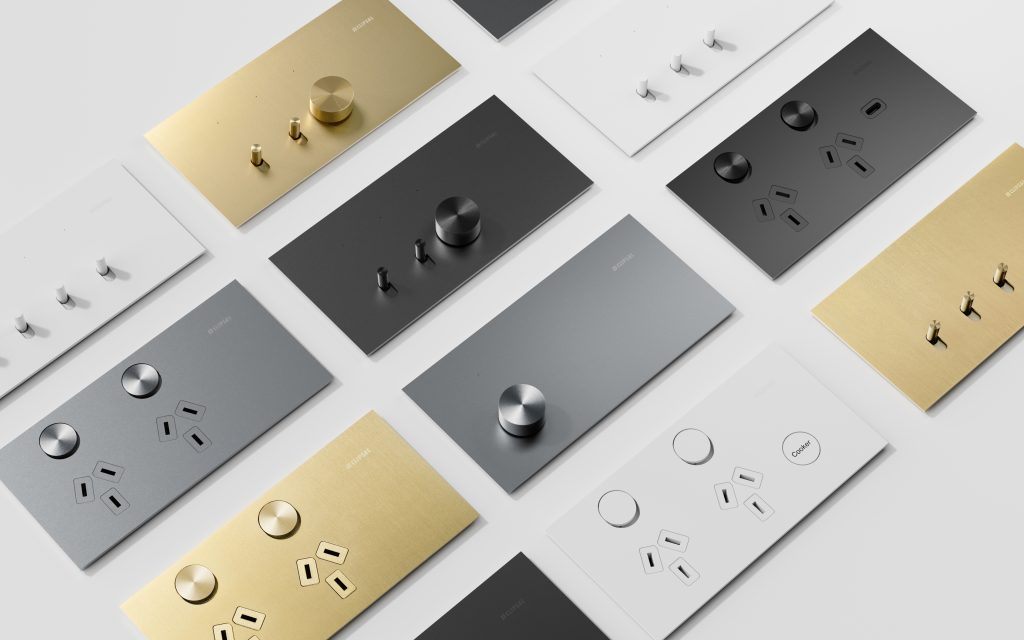
With a long history of working with builders, electricians and consumers, Clipsal is now placing greater emphasis on its relationships with designers and architects, joining the Interior Design Excellence Awards (IDEA) as a new sponsor and partner. The move reflects a broader ambition to become part of the design conversation earlier in the process, when decisions around products and technology can have a lasting impact on how a project looks, feels and functions.
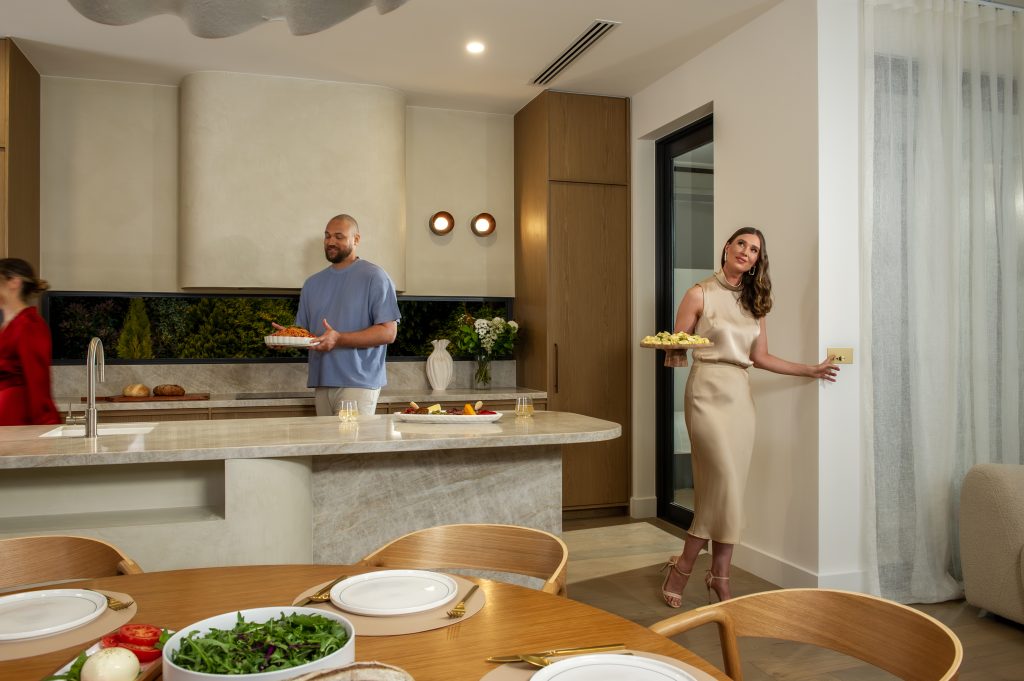
At the heart of the offering are Clipsal’s premium Solis range of switches and powerpoints, alongside its Wiser smart home automation system. Together, they represent two sides of the company’s approach: electrical products that contribute to the visual resolution of an interior, and technology designed to make the home more responsive and efficient.
Solis is particularly relevant to the high-end residential market, where even the most functional components are expected to meet a high level of design scrutiny. “What we do fundamentally has a function first, and that function is the most important thing. So the design is more about elevating that to something that is pleasing, or expressing that function in a really interesting, novel, or high quality way,” says Tim Turrini-Rochford, Schneider Electric’s VP Design Asia Pacific.
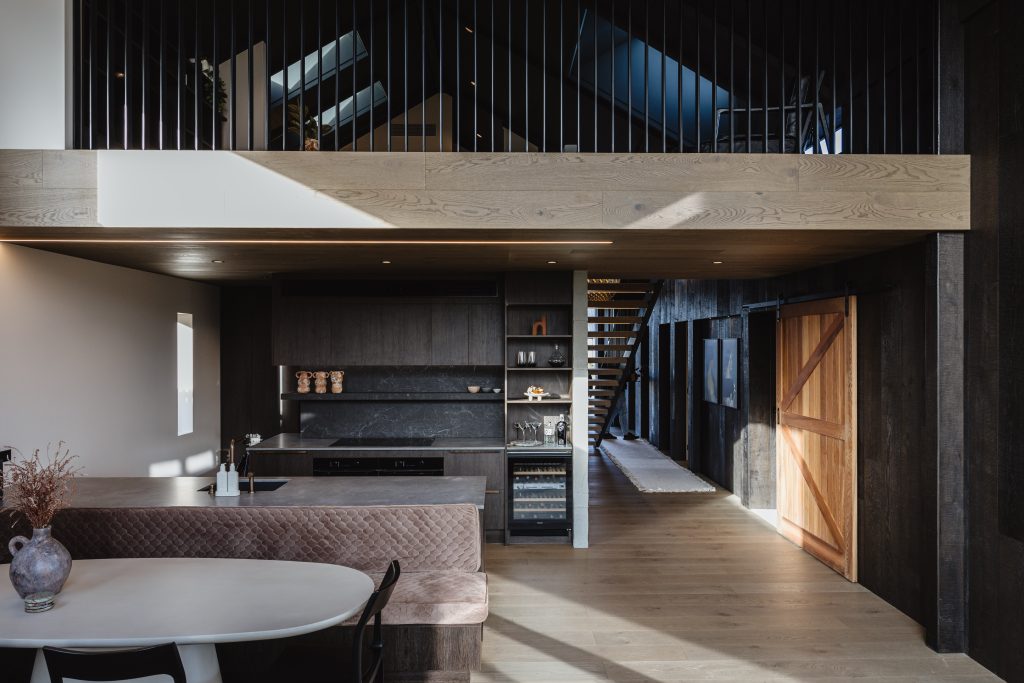
“I love people’s first reaction when they see Solis,” he continues. “It’s a functional object, but with a beautiful function. The aim was to be really honest about what it is and what it does. It’s to be honest with materials, it’s to be considered in every detail that is put in there.”
Clipsal’s Wiser system takes a similar approach to the relationship between technology and design. A scalable smart-home solution, it can connect elements including lighting, appliances and blinds, allowing homeowners to begin with a relatively modest investment and expand the system over time. Its compatibility with Clipsal’s widely used Iconic switches and powerpoints is also intended to make the transition to smart home technology more straightforward for designers and their clients.
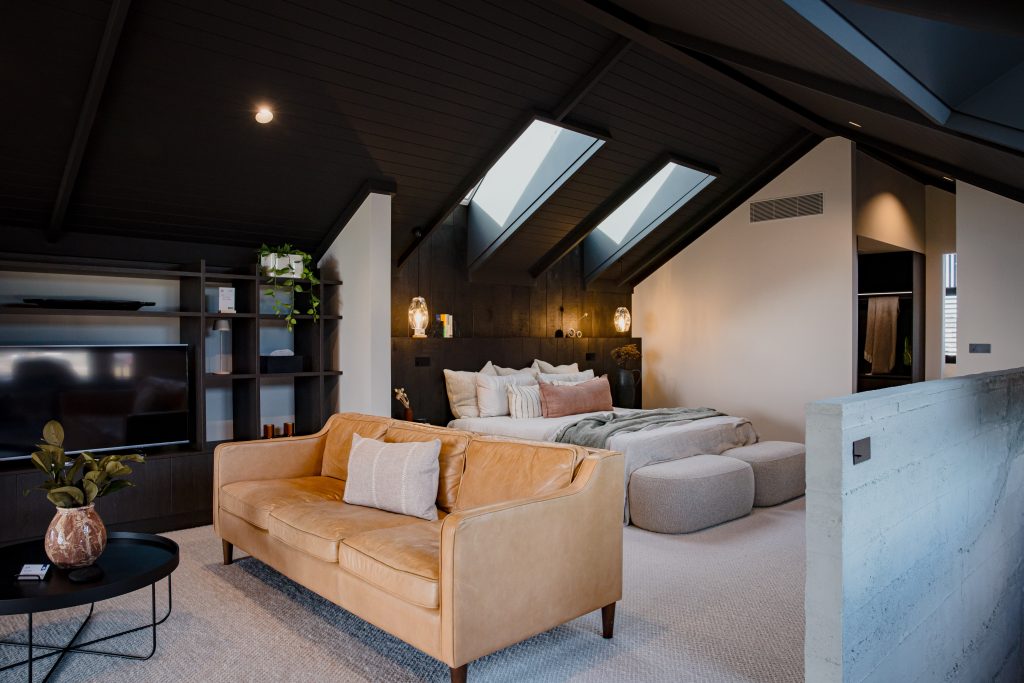
For interior designers, the proposition is less about adding technology for technology’s sake and more about integrating performance into the overall design. Clients increasingly expect homes to be efficient, sustainable and enjoyable to live in, while designers are responsible for ensuring those expectations are delivered without compromising the aesthetic integrity of a project.
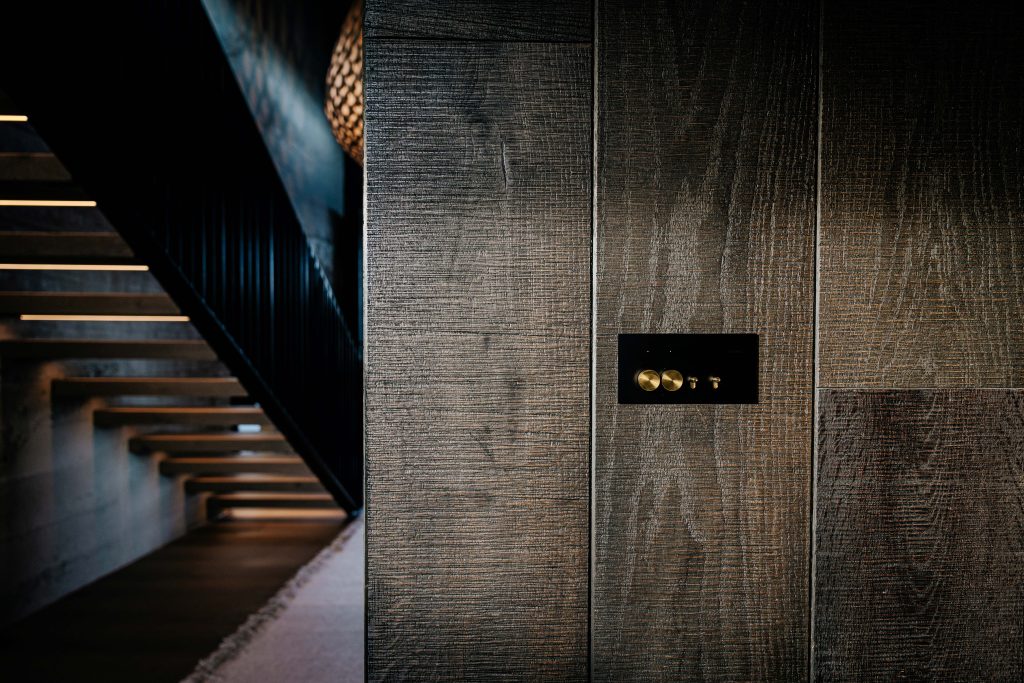
That is where Clipsal sees the value of engaging with the design community through IDEA. Rather than approaching designers only at the point of purchase, the company is looking to establish relationships earlier, providing access to product expertise and support as projects develop. Its Australia-wide network of area sales representatives can work directly with designers and architects, while a dedicated design partnership pathway provides another point of contact for practices looking to explore the range.
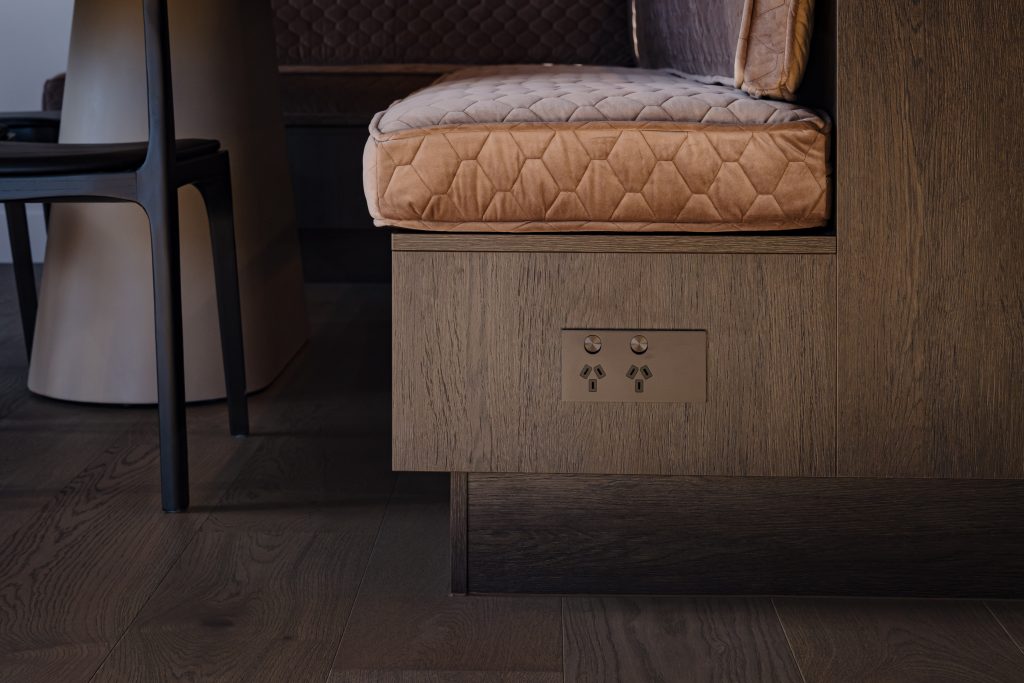
For Clipsal, becoming an IDEA partner is therefore about more than increasing visibility within the design industry. It is an opportunity to demonstrate how often-overlooked electrical elements can contribute to the character and performance of an interior – and to position electrical design as an integral part of the broader design process.
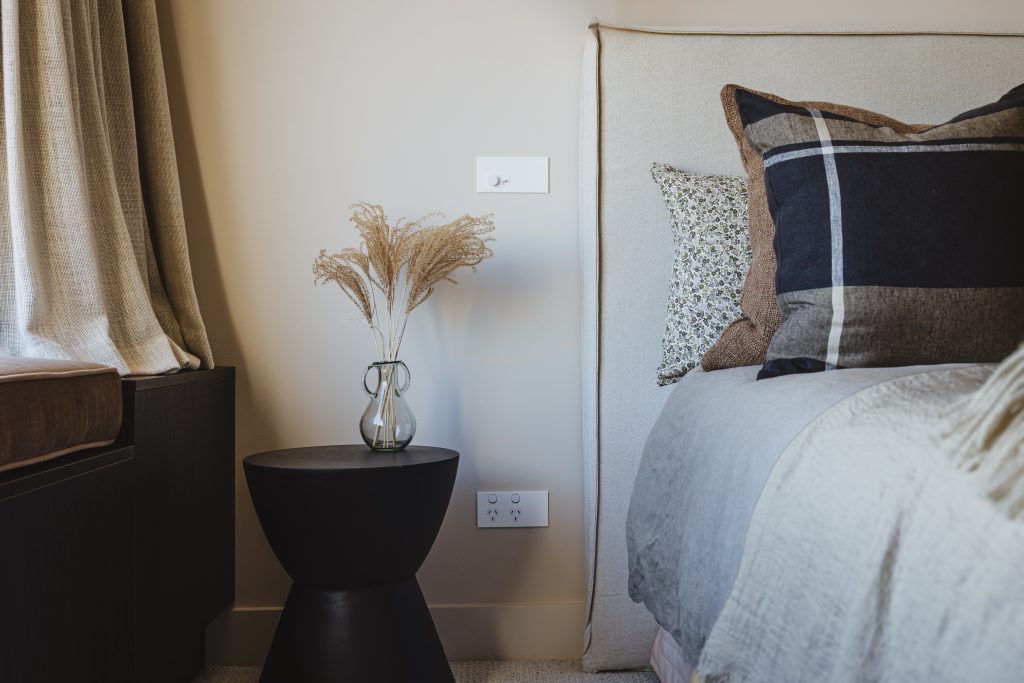
As the home becomes increasingly connected, the distinction between architecture, interiors and technology is becoming less defined. Clipsal’s new partnership with IDEA reflects that shift, bringing an established electrical brand into closer conversation with the designers shaping how Australians live.
For further information visit the Clipsal website.

© Niche Media 2026