

Sibling Architecture builds a world inside Angela Tiatia’s Muse
Sibling Architecture builds a world inside Angela Tiatia’s Muse

Share

Sibling Architecture translates Angela Tiatia’s visual language into an atmospheric journey through Newcastle Art Gallery.
Newcastle Art Gallery opens the doors to Muse on 26 September, and anyone expecting a straightforward retrospective is in for a surprise. The first major exhibition of Sāmoan/Australian artist Angela Tiatia‘s decades-long practice comes with an exhibition design by Sibling Architecture that refuses to sit quietly in the background. Conceived in direct response to Tiatia’s visual world, the design pulls the artist’s recurring preoccupations with identity, colonialism and power out of the frame and into the room itself, so visitors feel them underfoot and overhead as much as on screen.
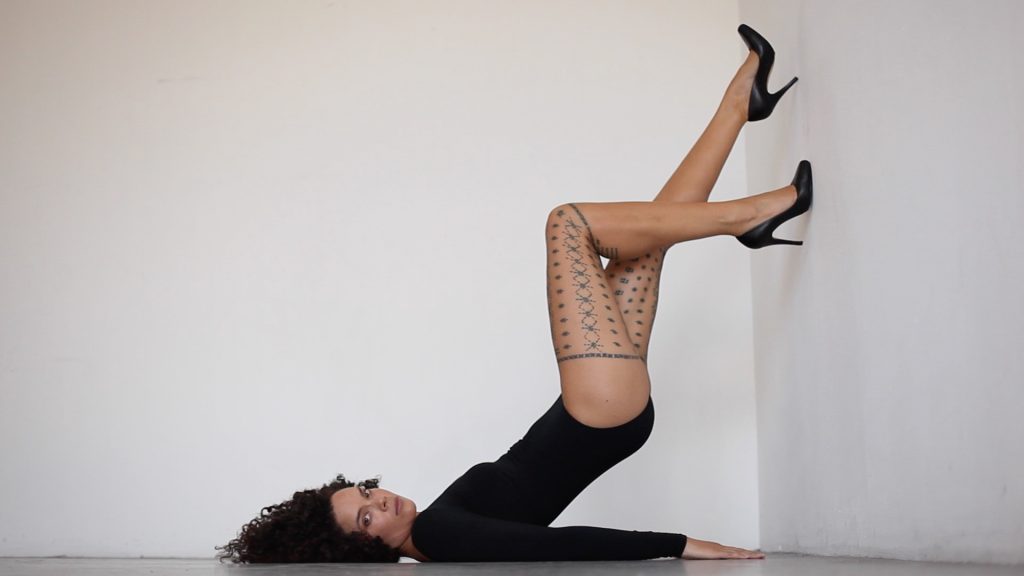
Muse combines 20 years of Tiatia’s video, photography and installation work. It opens with the intimate early self-portraits in which she turned the camera on herself to pick apart questions of representation and identity, then builds toward the later cinematic pieces, ambitious productions with expansive ensemble casts that dig into how the Pacific gets constructed in the global imagination. Sibling has taken that arc and tried to build it into the architecture, so the space itself carries some of the emotional weight of the work.
Translating a visual practice into space
Most survey shows default to white walls and even lighting, letting the work do all the talking. Sibling has gone the other way with Muse. The practice has broken the Gallery into a series of atmospheric environments and transition zones, so that walking through the show feels like moving progressively deeper into Tiatia’s world instead of simply passing from one wall label to the next. Shell-like, cocooning structures wrap intimate spaces around individual works, and the materiality, colour and form change as visitors cross between the different chapters of her practice.
It’s a natural extension of where Sibling’s work has been heading for a while. The Melbourne studio’s sensory design research, developed for Melbourne Design Week, and its earlier exhibition work with Science Gallery Melbourne, have both pushed at how architecture can shape how a body feels in a space, not just what the eye takes in. Muse gives that research a new test, this time in service of one artist’s evolving body of work instead of a broader thematic brief.
Newcastle Art Gallery director Lauretta Morton OAM says the Gallery is pleased to be working with Sibling on the interior design concepts for the largest survey to date of moving image works by Tiatia. “Project leads Qianyi Lim and Jessica Van-Young’s approach to the exhibition reveals their strong commitment to a concept-forward design practice embracing and honouring the colour, form and content within Angela Tiatia’s visually luscious and politically incisive works of art,” Morton says. “Sibling’s collaboration with the artist and Newcastle Art Gallery has resulted in the realisation of a highly distinctive and sensitively articulated design journey through this significant exhibition.”
A palette built for intimacy and transition
The material and colour choices do a lot of the storytelling here. Sibling has built the show around fuchsia pink, soft furnishings and tactile surfaces, a long way from the clinical neutrality to which most survey shows default. Soft, enveloping forms turn up throughout, echoing the vulnerability of Tiatia’s early self-portraiture while still holding their own against the scale of her later ensemble works. There’s a bodily quality to the materials that pulls visitors into a more physical relationship with the work, which feels apt given how much of Tiatia’s practice is concerned with the body and its representation.
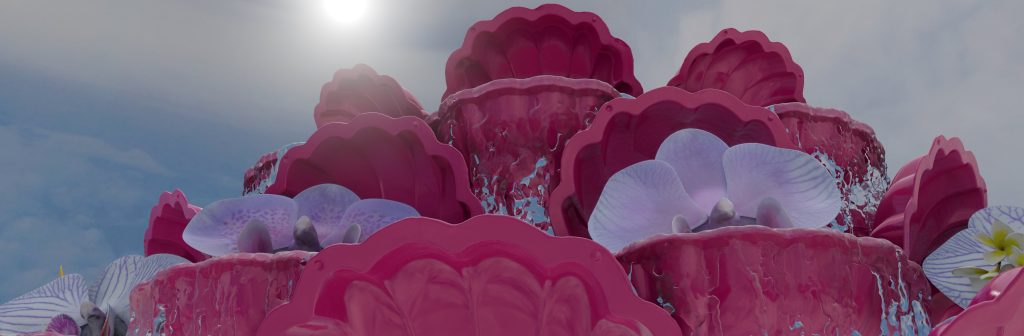
Colour and form aren’t just dressing the space either. As visitors move through the Gallery, changes in palette and spatial character mark a shift into new thematic territory, giving the show a way to hold 20 years of deeply personal and deeply political work together without losing the thread. Sibling wants people to feel the turns in Tiatia’s practice, not just read about them, and that’s a genuinely different ask of an exhibition design to what most survey shows attempt.
A significant moment for Newcastle Art Gallery
The timing matters too. Newcastle Art Gallery reopened earlier this year after a major expansion and now holds the title of the largest public art institution in New South Wales outside Sydney, which gives it real room to stage a show of this ambition. Pairing that expanded capacity with a Newcastle-based artist of Tiatia’s international standing, and handing the exhibition design to a practice willing to take genuine risks with the space, says a fair bit about the kind of program the reimagined Gallery wants to run.
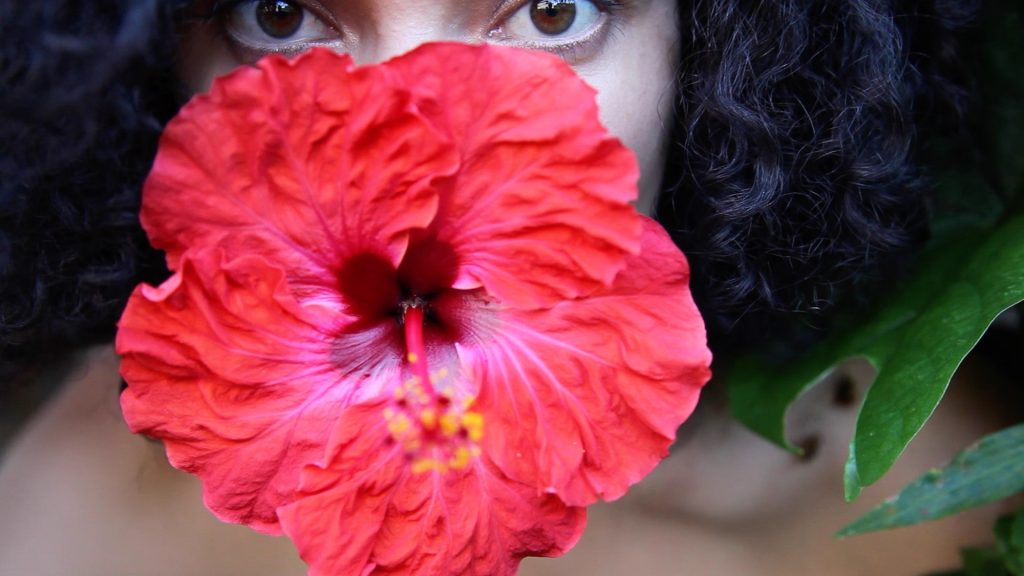
© the artist.
There’s a broader point here for architecture and exhibition design more generally. Sibling wasn’t brought in once the curatorial decisions were locked in to make things look nice; the design has clearly been part of the thinking from early on, shaping how Tiatia’s ideas get interpreted and encountered as much as any curatorial text. As survey shows of major Australian artists keep getting more ambitious, this kind of genuine collaboration between artist, curator and architect may end up being what separates the memorable ones from the rest.
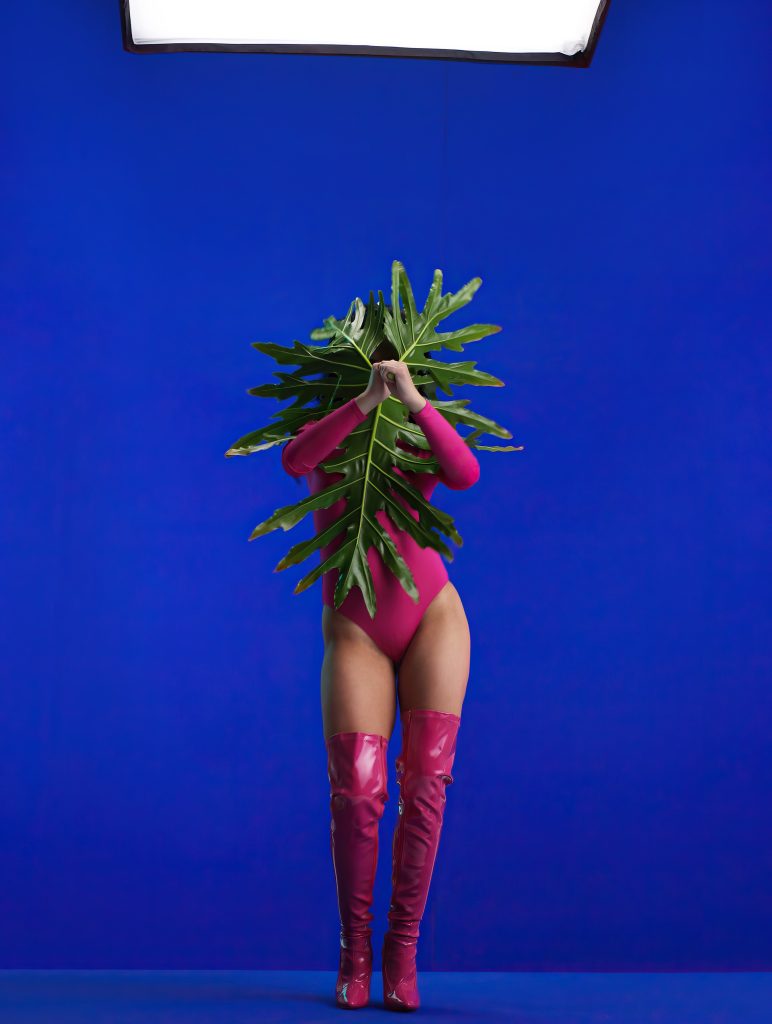
Lead image: The Dark Current, 2023 as seen in Angela Tiatia’s upcoming exhibition Muse. Image courtesy of Sibling Architecture.

© Niche Media 2026