

Atong Atem brings all shades of brilliance to the NGV
Atong Atem brings all shades of brilliance to the NGV

Share
With the Margaret Preston exhibition still running on the third floor of the Ian Potter Centre: NGV Australia, from today it will be joined by another exhibition, the first major solo show for one of Australia’s foremost contemporary artists, Atong Atem.
Every year, Australian Design Review presents the Interior Design Excellence Awards (IDEA). This year’s gala will take place at Melbourne Museum on Friday 4 December (do you have your tickets yet?).
One of the newer categories in the Awards is Colour. Now, if art was eligible to be included in applications (it isn’t) and if we on the editorial team were responsible for choosing the winner (we’re not – the judging is courtesy of a panel of very esteemed industry practitioners), then as far as this writer is concerned, Atong Atem would win all the prizes, all the time.
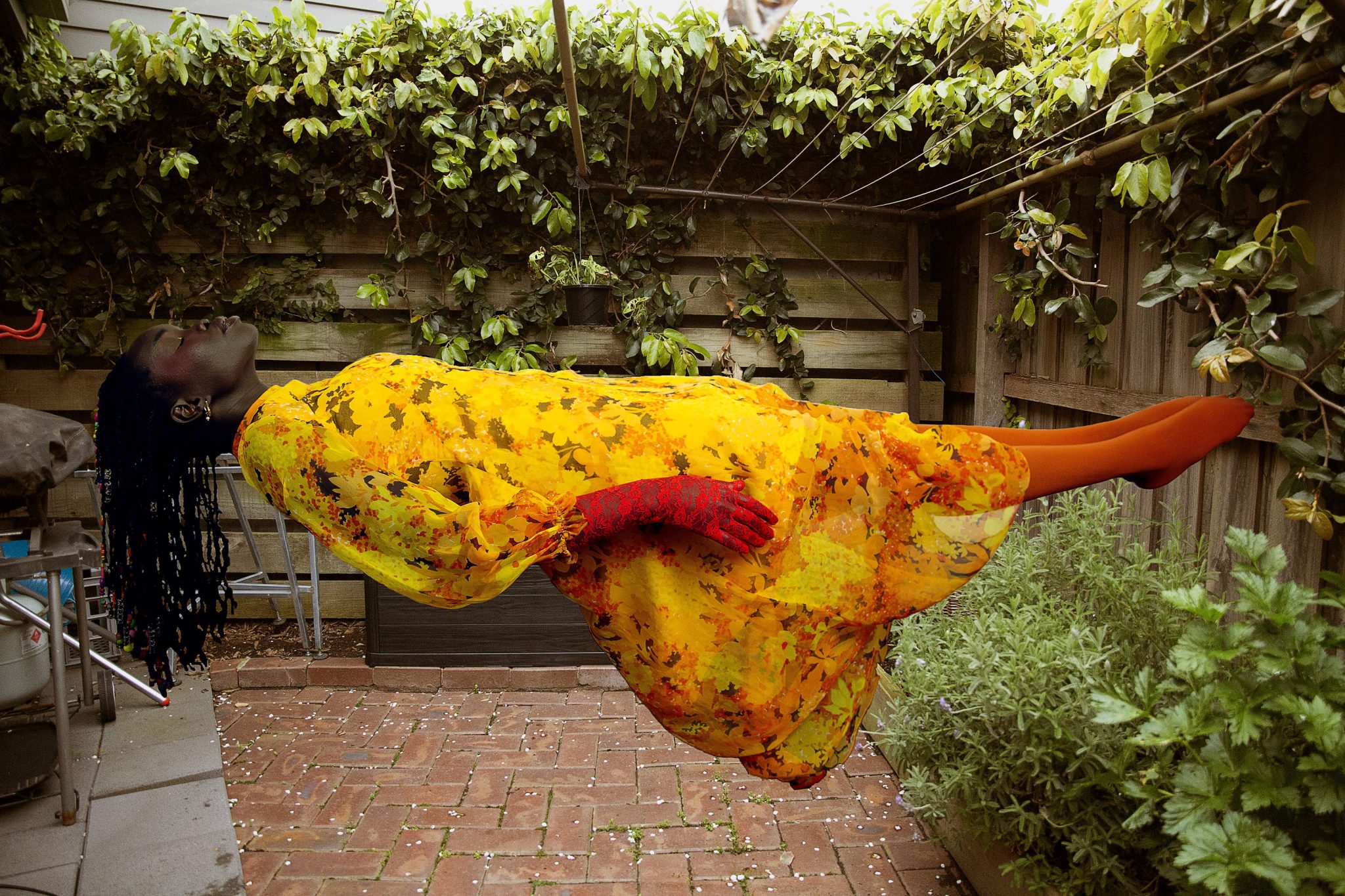
If there’s a more magnificent proponent of the use of colour in a contemporary practice, it’s hard to imagine who it would be. The vibrant hues and bold splashes are what define much of her work, and the resulting photographs are so very beautiful, they can stand on their visual impact alone.
But dig deeper and there’s a whole lot more going on courtesy of the deep thinking, endlessly curious and intentionally provocative Atem, whose practice interrogates gender, colonialism, race and the African diaspora in Melbourne.
As a South Sudanese artist, born in Ethiopia, migrating to Australia with her family as a youngster, she says she “abandoned Sydney for Melbourne’s cloudier but much better horizons”.
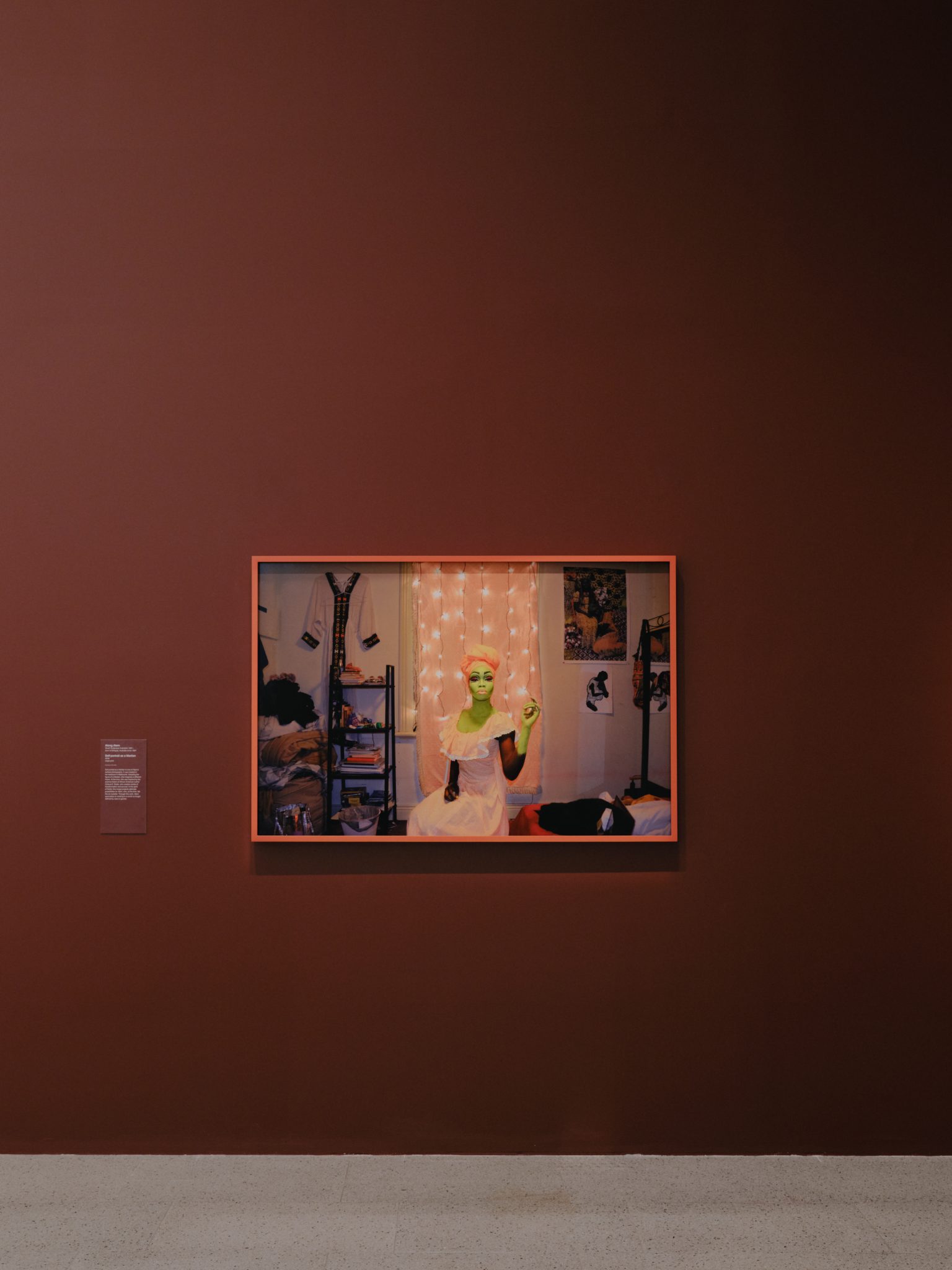
Her first major Australian solo exhibition, Passage: The Art of Atong Atem, opened at the Ian Potter Centre: NGV today. And it’s a richly detailed mix of previous work along with some commissioned pieces. The exhibition kicks off with Self Portrait as a Martian, an early and rarely shown piece in which the artist appears with green face, décolletage and raised forearm, wearing a light pink gown and turban and sitting in front of a makeshift curtain festooned with fairy lights, in what gives clear ‘cluttered room in a shared house’ vibes.
Shot in Collingwood, it speaks to displacement, self-awareness and, yes, perhaps even optimism.
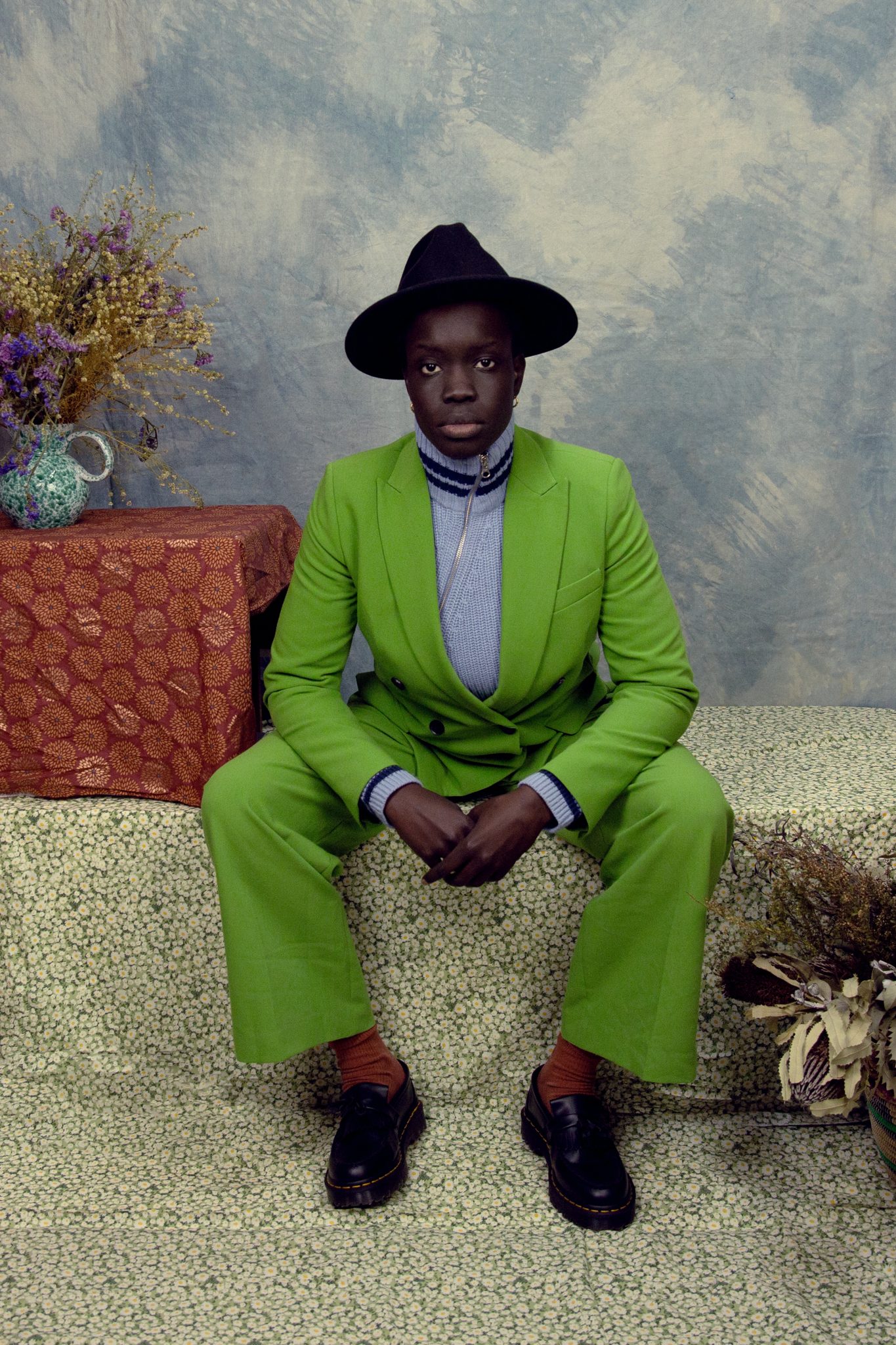
Around the corner is one of Atem’s most intriguing series, Men in This Town, in which the artist appears in more colourful clothes – a scarlet or green suit, perhaps, a bright blue jacket – but without the facial paint and markings that distinguish so many of her works. Exploring how the genders have traditionally engaged with studio photography, by merely tweaking her poses, she questions the very different expectations and permissions afforded men when it comes to having their photograph taken.
Further into the exhibition is the Surat (2022) series, intended to capture members of her actual family, known and unknown. When COVID-19 intervened, this particular project morphed into a series that references supplied family photographs, with Atem herself becoming both subject and commentator, as the images reproduce or respond to older photographs.
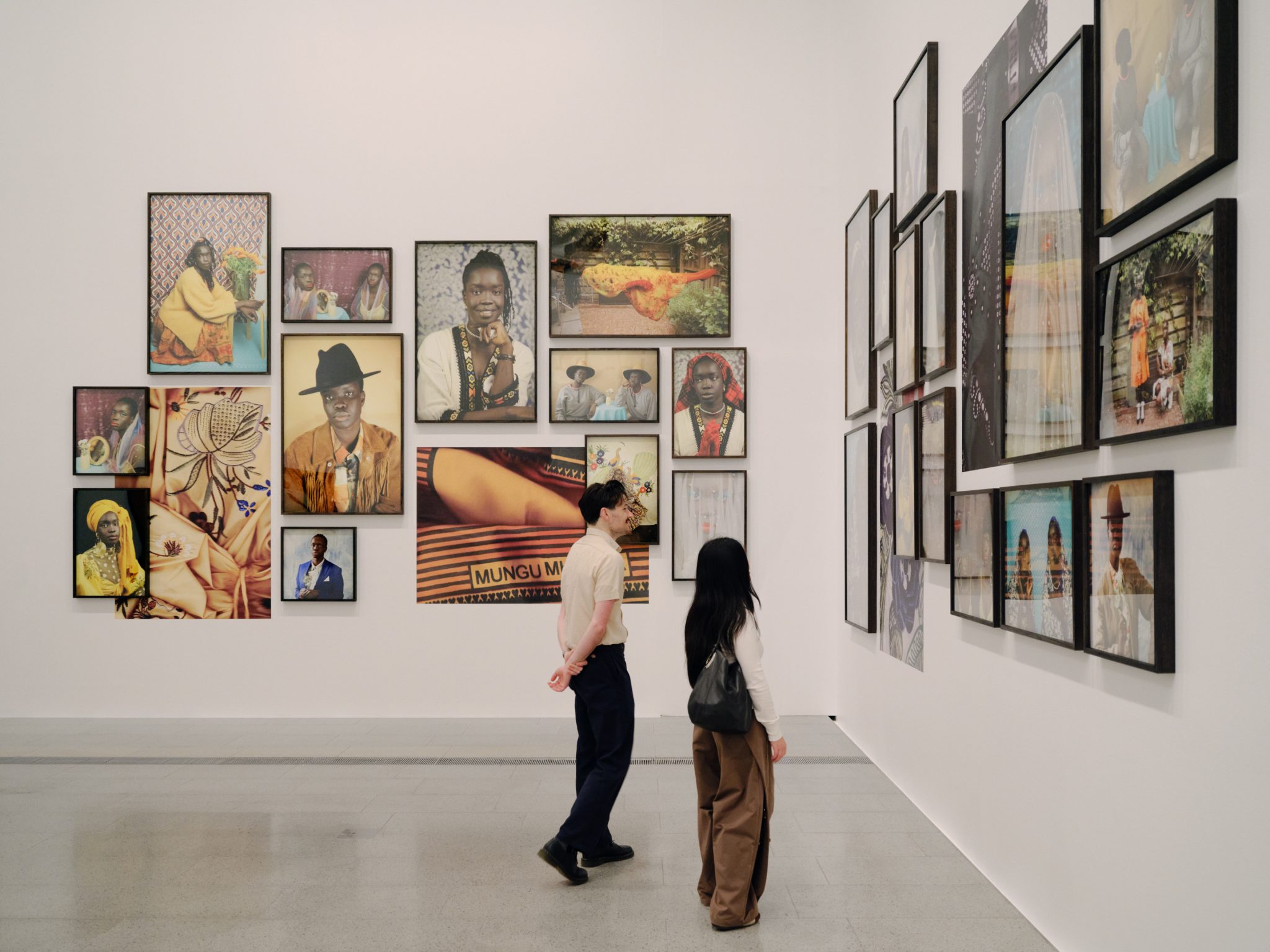
Here Atem is exploring how documented personal history over time becomes a record of personal culture, then widens to have greater significance as the artefacts of a period and place, and how a simple object can take on deeper resonance depending on its significance at the time. A photo in which she appears as her own mother holding a tissue brings very specific memories for the artist of the day the original photograph was taken, and a baby sibling was dribbling and needed to be wiped.
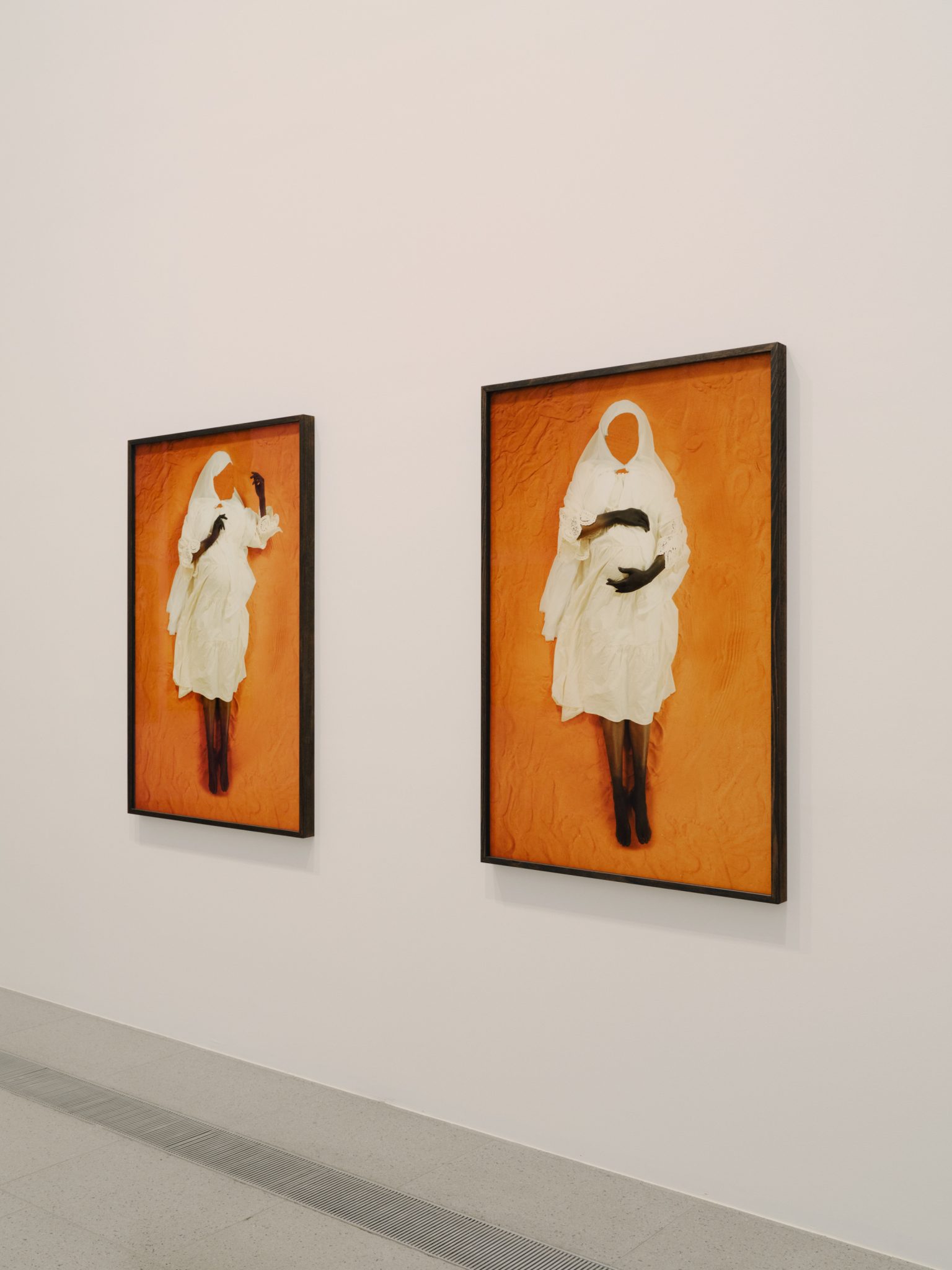
Another fascinating series are the Dust images, invoking a traditional practice of Dinka Bor culture, in which the dying are placed on the ground, surrounded by family and covered in dust. Despite resonances of Christian (‘dust to dust’) ideas, it’s a practice that is far less common now that South Sudan is predominantly a Christian country, but it still survives.
When Atem came to construct the works, however, she was nine months pregnant, which gives her orange dusty, shrouded but faceless form a totally different resonance.
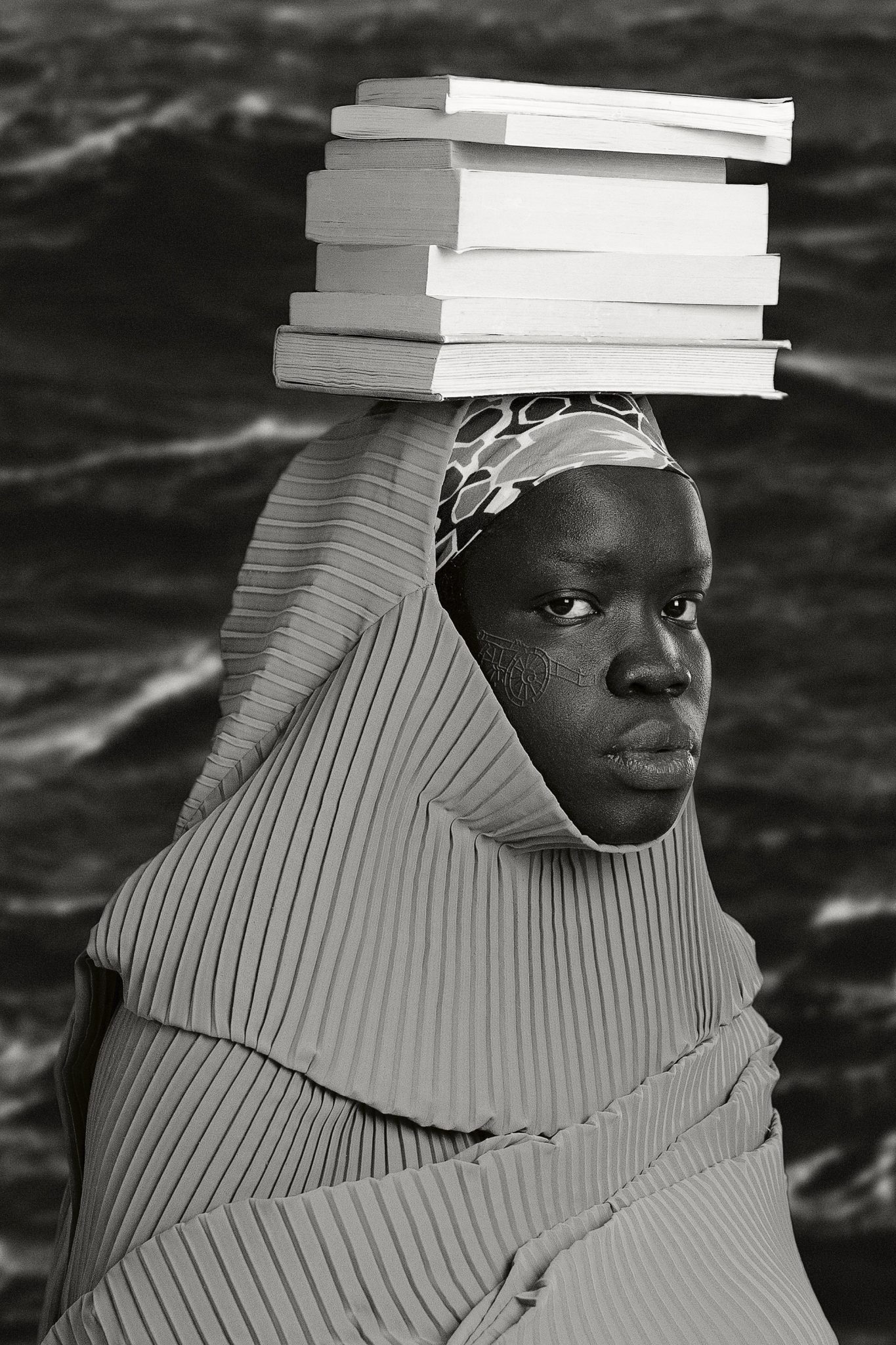
The black and white series, Scars and Constellations, originally commissioned by the National Maritime Museum in Amsterdam, comprises a veritable onion of layers to peel away – concerning beautification, scarification and the audacity of humans when it comes to deciding what the stars in the sky represent or actually are.
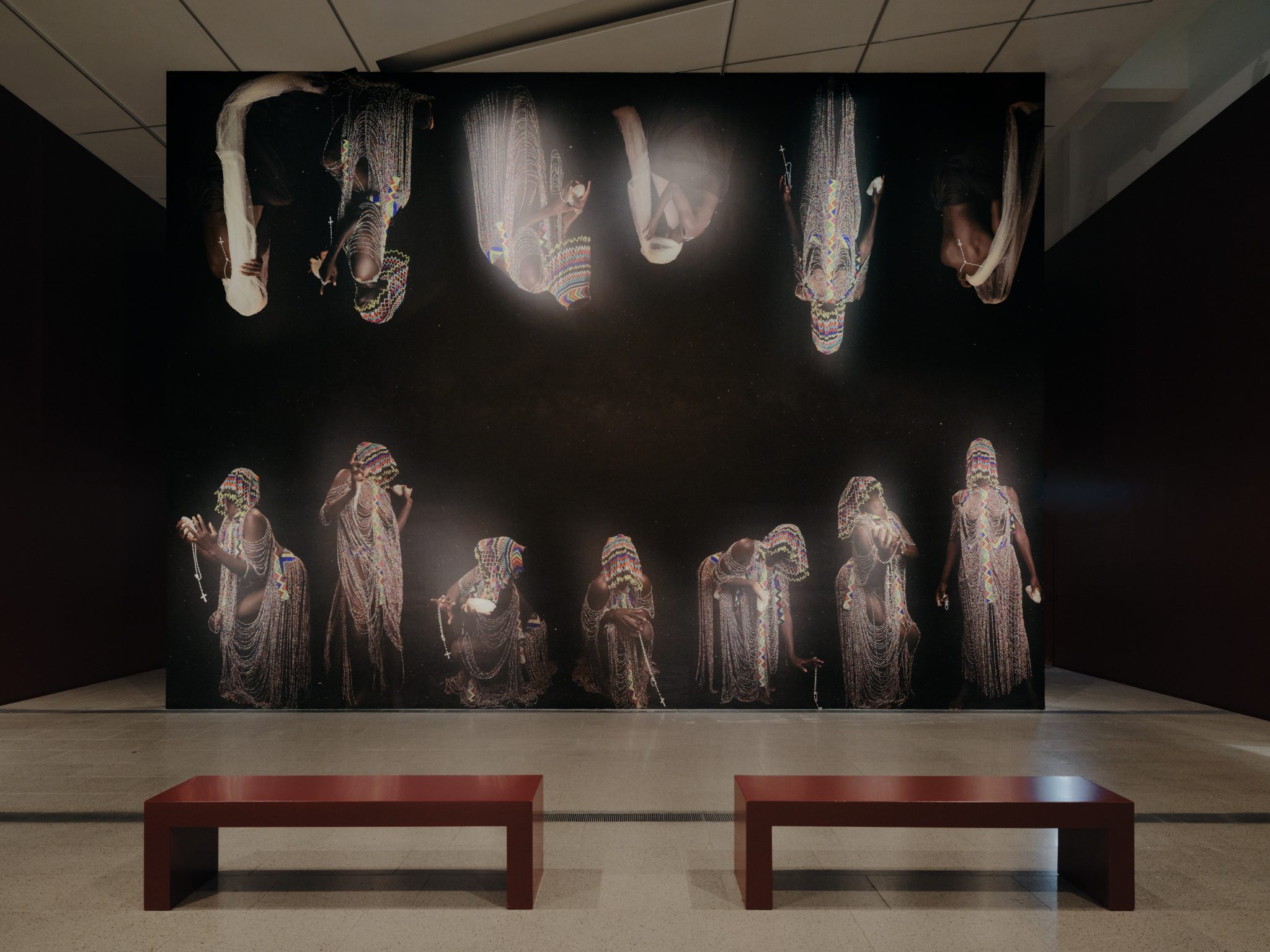
The world premiere commissioned piece, As Above, is a sizeable wall installation also inspired by the skies, heavens and the ground below, provoking curiosity and examination of ‘the vast cosmic, historical and cultural systems that surround and shape us’ – this quote is from the publicity, but I’d be hard pressed to word it better.
There’s also a lovely little video at the end of the exhibition in which Atem is filmed at home, visiting textile and op shops for props, fabrics and costumes, and talking about her practice.
She was also on hand at the media preview of the exhibition, taking the crowd through and talking at length about the works and the concepts behind them. This was a bit of a rarity and a special treat – Atem is a very, very good speaker and powerfully articulate. While so much of the work features herself as subject, she was at pains to share the credit. “I collaborate with my ancestors, I collaborate with my history, I collaborate with people who I take photographs of, I collaborate with myself and so many people to make the work come to life,” she said.
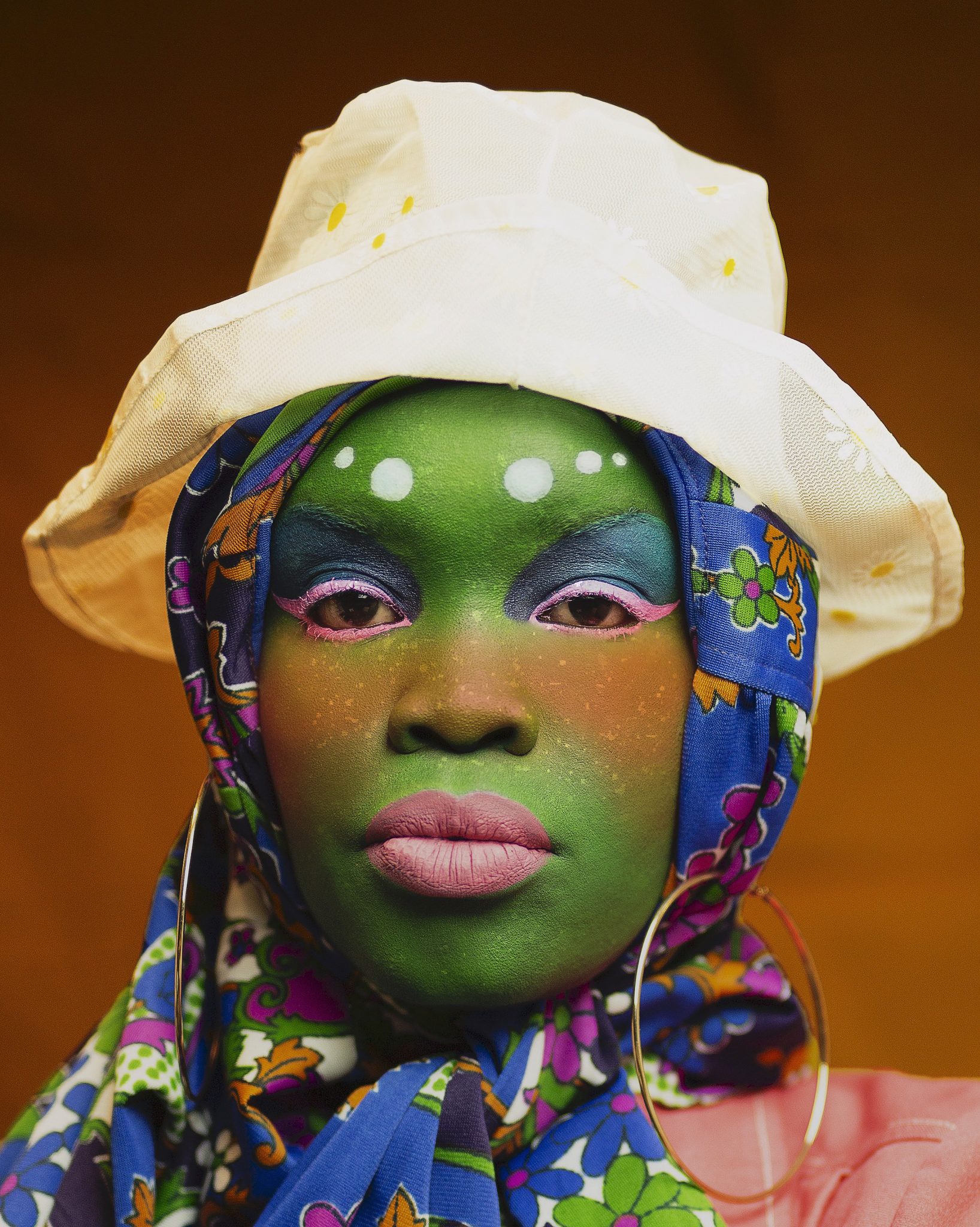

Indeed, considering her skill at contextualising and drilling down into the prompts and thinking behind her work, it does beg the question of whether viewers will receive such a full picture without the benefit of her vocal input.
But then, even if they get little more out of this exhibition than the sheer joy of these beautifully constructed and executed images, that would be a wonderful start…
Passage: The Art of Atong Atem is at the Ian Potter Centre, NGV Australia from 30 October to 14 June 2027, free.
Top image: Atong Atem ‘Ego 2’ 2019 from the ‘Ego’ series 2019. Photo: Courtesy of the artist © Atong Atem.

© Niche Media 2026