

30UNDER30’s Shalini Rautela on tangible, enduring and low-impact design
30UNDER30’s Shalini Rautela on tangible, enduring and low-impact design

Share
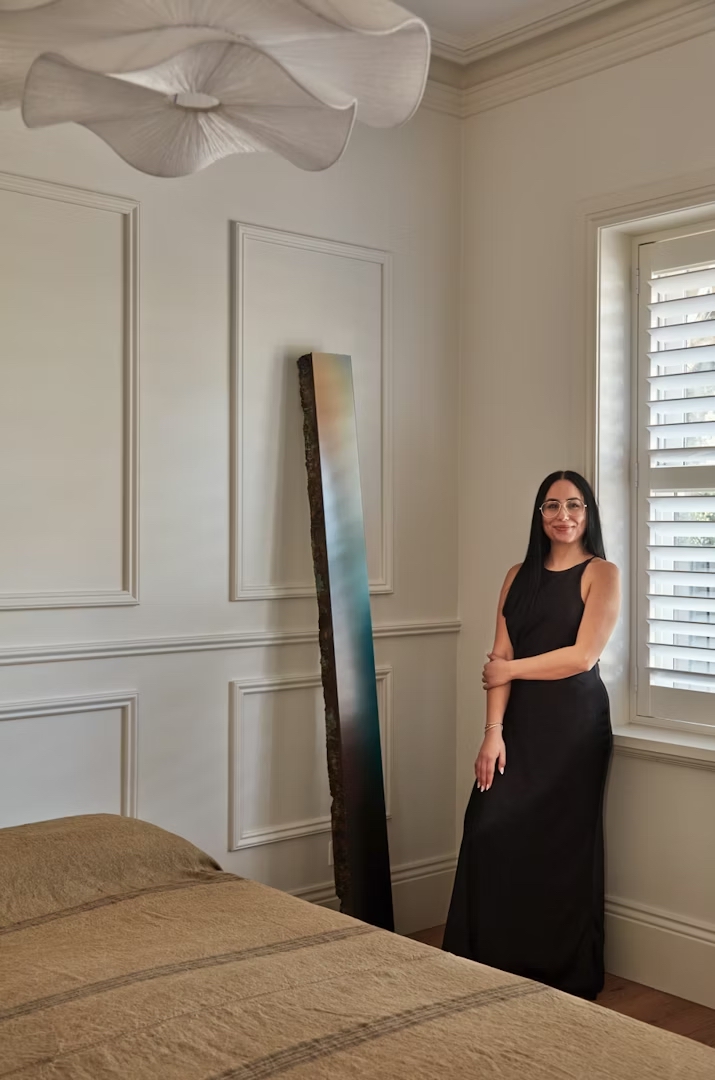
Shalini Rautela is a Melbourne-based architectural designer who uses a multidisciplinary approach in practising architecture and design. Joining the cohort of Australian Design Review‘s 30UNDER30 for 2025/2026, she shares her views on instinct, collaboration and the evolving role of architecture in a changing world.
Australian Design Review: Why did you enter the 30UNDER30 program?
Shalini Rautela: I entered the 30UNDER30 program because I’m interested in pursuing opportunities that can help me develop a future in design and architecture that is diverse, thoughtful and unique. I see the program as an opportunity not only for professional development, but also to broaden my understanding of different paths and possibilities within the field. Connecting with the 2025/26 cohort is something I’m particularly looking forward to, as it offers a chance to exchange ideas and learn from peers who may be approaching practice in different ways. The mentorship component of the program was also especially compelling. Learning from these perspectives will be incredibly valuable, particularly from those who have already navigated many of the challenges I’m currently facing.
What most excites you about the opportunities in the industry currently?
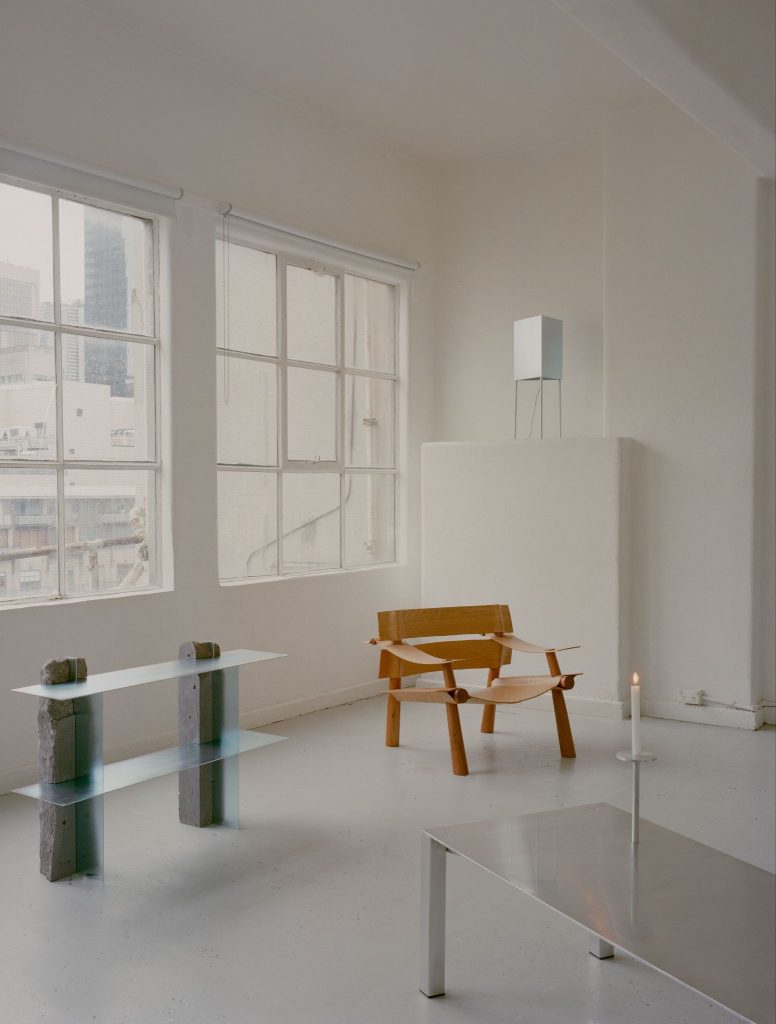
What most excites me about the industry at the moment is the growing acceptance of a multidisciplinary approach to practising architecture and design. This shift is creating space for more diverse ways of thinking and working, which I believe will lead to more interesting and innovative outcomes in the built environment. Coming to architecture from a background outside the discipline has shaped my own approach to practice. Rather than a dogmatic ‘capital A’ architecture mindset, I’m interested in approaches that are more collaborative, regenerative and nuanced. I believe these kinds of perspectives can bring real value to how we design and build.
What guiding values drive you and what kind of impact do you hope to make through your work?
My first instinct is that I would like to make less ‘impact’ through the work that I do – less environmental impact, less carbon, less extraction. At the same time, I hope the work can have more impact culturally and socially. The values I hope to maintain in my practice are ethical, tangible, enduring and regenerative:
- Ethical practice means making intentional decisions – working with aligned clients, and carefully considering processes, materials and the consequences of building.
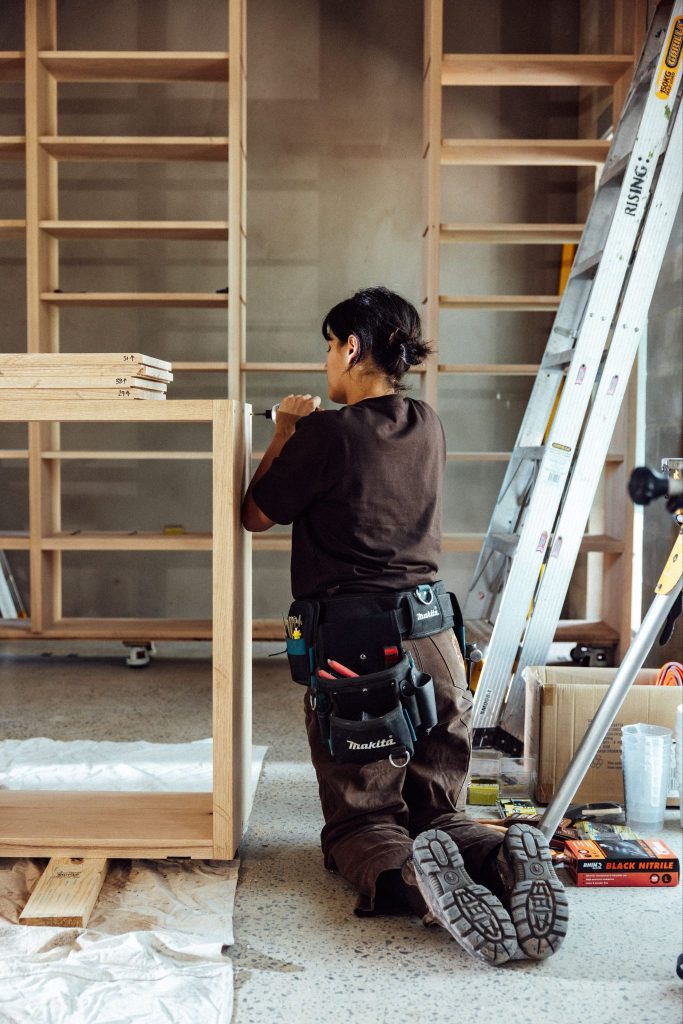
- Tangible speaks to the physical and pragmatic nature of making. I’m interested in grounded, hands-on processes that connect design thinking with real outcomes.
- Enduring reflects a commitment to architecture that performs well, ages well and remains relevant over time.
- Finally, regenerative thinking considers how architecture can coexist with the environment, while prioritising low-carbon materials and non-human ecosystems.
What do you do to kickstart your creativity when you’re in a rut?
Having a creative lifestyle and community continually fuels my practice in architecture and design. When I’m in a rut, the best reset is usually stepping away from the computer. Spending time in nature, being on a dancefloor, cooking a nourishing meal or simply talking with friends and family. It’s usually in these moments outside the studio that new ideas begin to emerge and I feel most inspired. I’m particularly excited when projects can blur the boundaries between different modes of practice and become something that can be experienced, influenced or shared directly with my own community.
What do you think are the most pressing challenges for designers coming up to 2030?
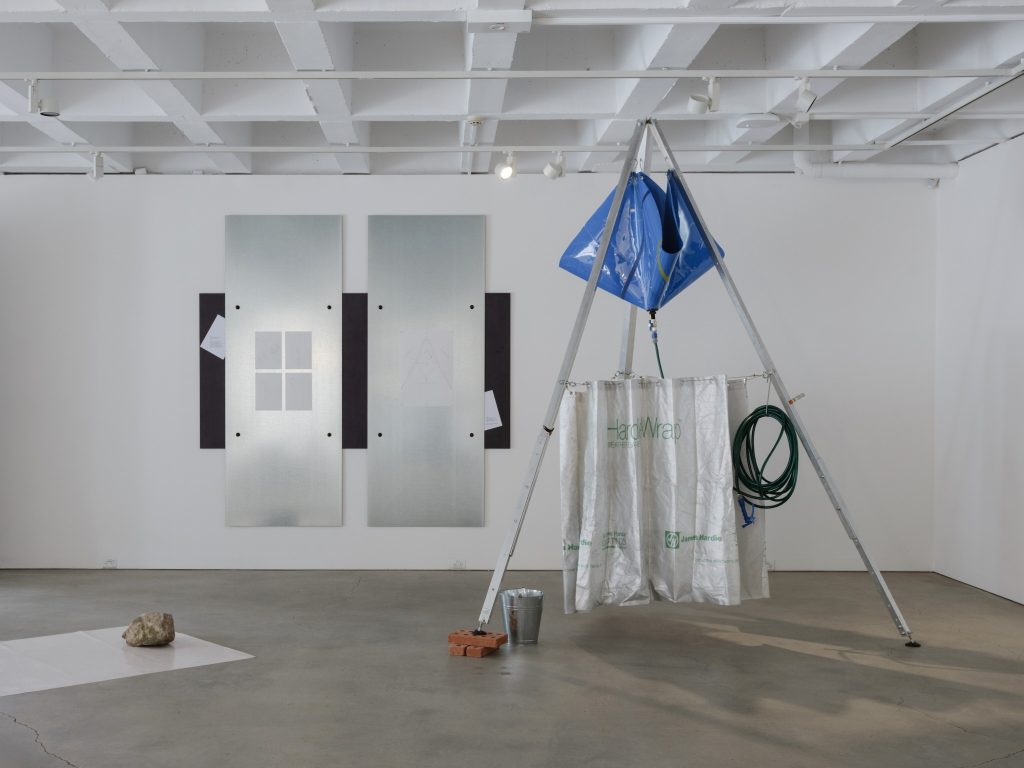
Some of the most pressing challenges for designers leading up to 2030 will be responding thoughtfully to the environmental, political and social crises our world continues to face. Designers will need to engage with these issues in ways that are sensitive, nuanced, enduring and adaptable. In Australia, in particular, design is often undervalued. Because of this, practitioners will need to work harder to demonstrate their value beyond form and image, contributing meaningful solutions and systems that address these broader challenges.
Designers may also need to adapt their thinking and expand the ways they deliver their services. Developing more diverse skills and offerings will be important in ensuring that design education and expertise remain relevant, and in positioning the discipline to respond effectively to emerging conditions. I aim to work in a way that makes that the baseline, not the aspiration, and to help build the kind of practice culture where it no longer needs to be argued for. It’s assumed.
Australian Design Review’s 30UNDER30 is brought to you by major sponsor Neolith, alongside partners Designer Rugs, Laufen, Krost, Miele, Signature Appliances powered by Miele and Tongue & Groove.
Australian Design Review is also grateful to our 30UNDER30 practice partners AJC Architects, BVN, Cera Stribley, COX Architecture, Genton, GroupGSA, HDR, Richards Stanisich, RIZEN Atelier, Rob Mills Architects, Rothelowman, SJB and Design by WBL for helping us foster the future of Australian design.
Learn more about ADR’s 30UNDER30 here.
You Might also Like


Related Stories

© Niche Media 2026