

30UNDER30’s Marlo Lyda: finding the heartbeat of design within the overlooked
30UNDER30’s Marlo Lyda: finding the heartbeat of design within the overlooked

Share
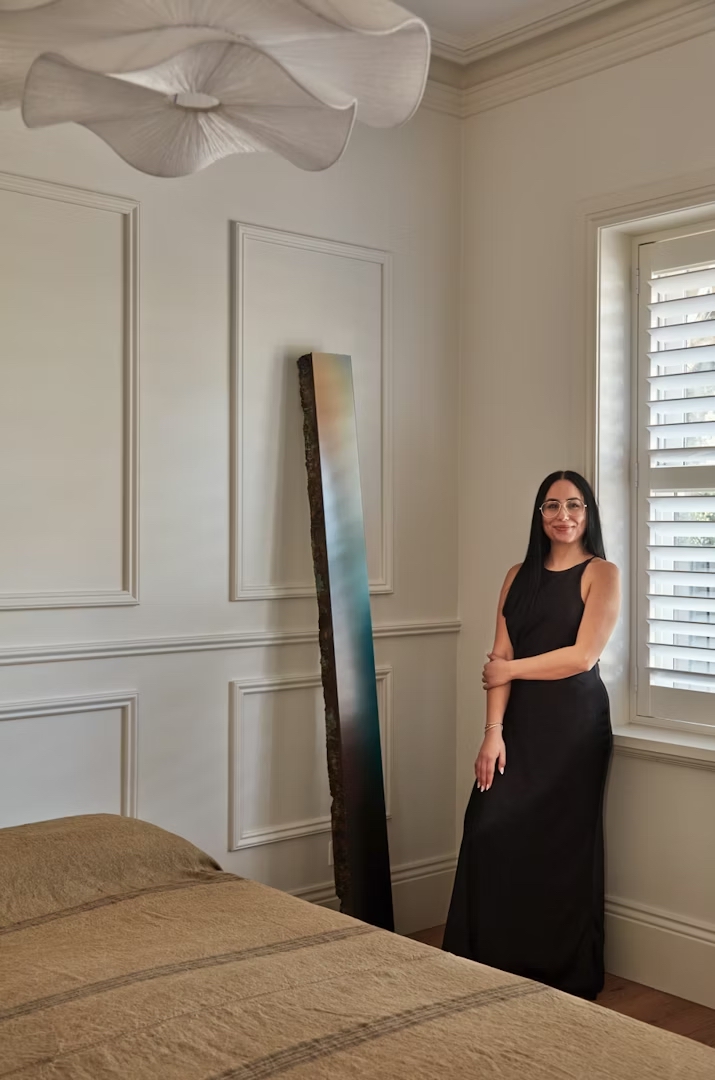
Marlo Lyda is a Sydney-based designer and a multidisciplinary practitioner focused on material experimentation. As a member of Australian Design Review‘s 30UNDER30 for 2025/2026, Lyda talks about the need for community, her insights on sustainability and how she uses overlooked materials.
Australian Design Review: What do you hope to get out of the program?
Marlo Lyda: There’s a strong thread of community that runs through my practice, so I’m really looking forward to spending time with others across disciplines – understanding what’s driving each of us, and where those ideas overlap.
Sustainability is a shared concern, but how we approach it varies widely. It’s a nuanced conversation, and one that needs time, which is rare. I’m interested in uncovering the ‘heartbeat’ of this group: what feels urgent, what feels unresolved and what we may begin to move toward together as an emerging collective.
What do you think are the benefits of mingling with professionals from different disciplines?
I still get a bit giddy speaking with designers further along in their careers. There’s so much to learn across disciplines and generations. What feels particularly special about 30UNDER30, though, is the chance to connect with peers at a similar stage. These are the people you grow into the industry alongside. There’s a kind of openness that comes with that – sharing ambitions, uncertainties and frustrations, not necessarily for answers, but for relatability.
Design can be isolating at times, so there’s real value in simply knowing others are navigating similar paths – and being able to hold each other in that.
What most excites you about the opportunities in the industry currently?
I watched the collectable design movement gain real momentum in Europe while living in the Netherlands (from 2018 to 2022), and have since seen that energy take hold in Australia, particularly through initiatives like Melbourne Design Week and the early adopters who curated group shows that supported emerging design, and helped place us on the international stage.
It’s exciting to see design – across all disciplines – being valued not just for function, but for its cultural and conceptual contribution. That shift creates space for more experimental, narrative-driven work and signals a growing appreciation for what design can do beyond utility.
How would you describe your work?
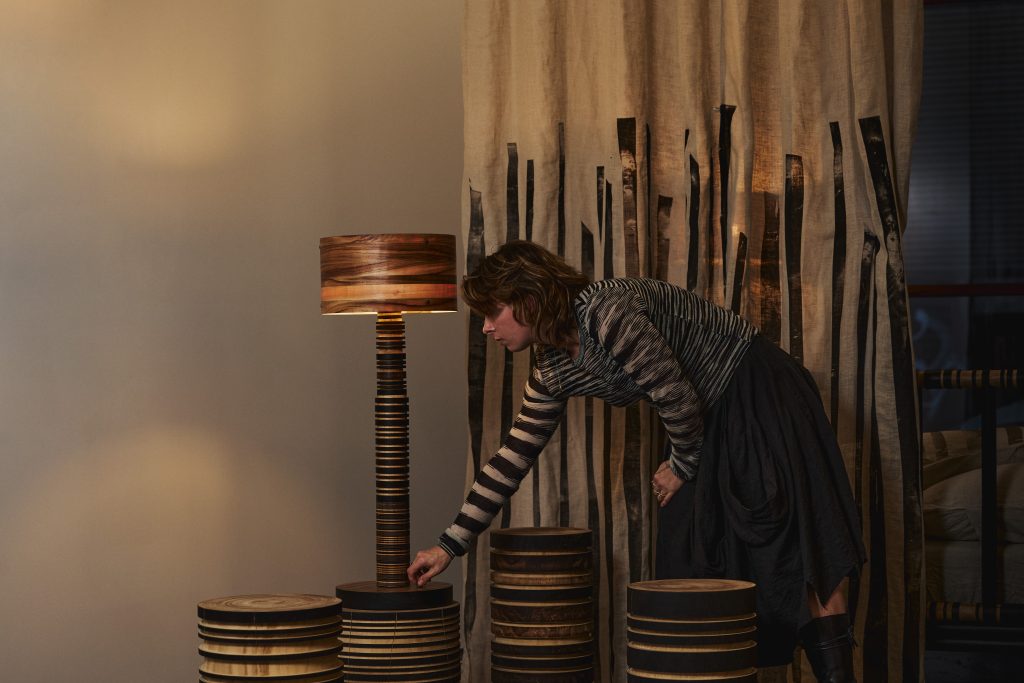
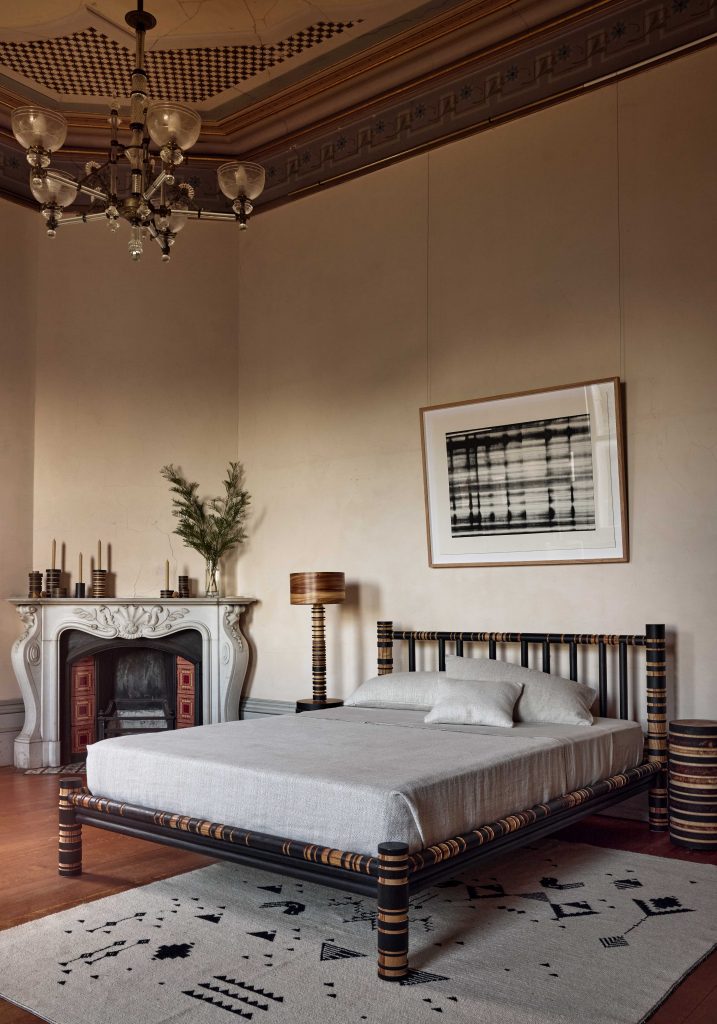
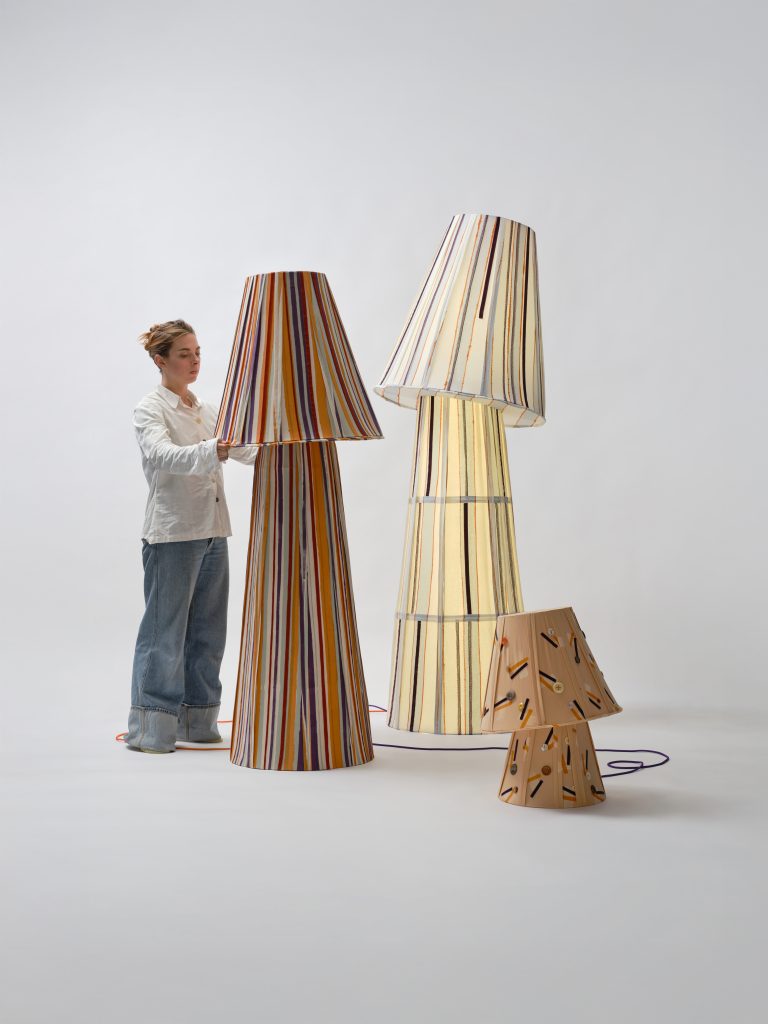
At its core, my work is driven by the belief that design is a vessel for storytelling. Each piece begins with a material that feels overlooked – weed timber species, stone offcuts, e-waste or archival textiles – often found through chance encounters or quiet observations. I reframe these materials through design, not only to make something useful, but also to honour the stories they carry and craft objects that will be valued over a lifetime.
My furniture, objects and lighting tend to sit somewhere between collectable and commercial. The work holds the irregularity and hand-made quality of collectable design – visible hand-makership, embraced imperfection and a certain intimacy – but, most importantly, it’s made to be lived with. To function. To last. I want my objects to be cherished in homes, not just on plinths.
What has been a highlight in your career so far?
Being included in the NGV Rigg Design Prize and, more recently, the Vogue Living VL50, have both been incredibly affirming. The Rigg, in particular, felt like stepping into the centre of emerging Australian design – surrounded by peers and practices I deeply respect. And the VL50 recognition carried a more personal weight; I grew up flicking through Vogue Living in my mum’s showroom, so it felt like being welcomed into a broader design legacy. At this stage in my career, those moments feel both motivating and humbling.
What do you do to kickstart your creativity when you’re in a rut?
When I feel stuck, I try to return to play. That may mean wandering through a scrapyard, rearranging materials without a clear outcome, or spending time in National Parks armed with butcher’s paper and a bunch of mark-making tools.
There’s something about removing pressure – letting things be a bit loose, even a bit nonsensical – that brings the work back to life. I often end up following those moments further than expected. Light and shadow are something I return to often – the way movement can be held, or translated into form. There’s a kind of quiet magic in that process that continues to reset my thinking.
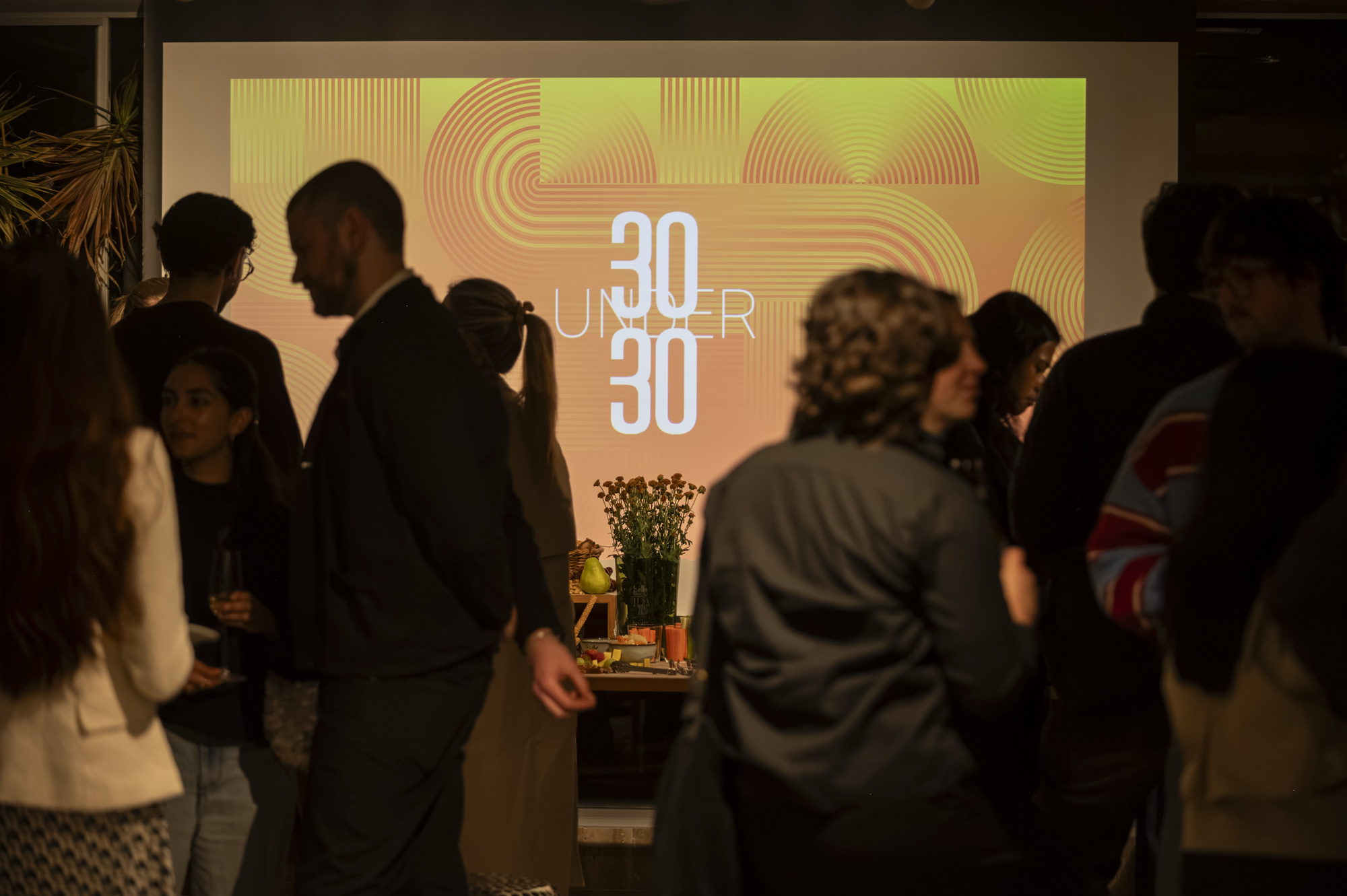
Australian Design Review’s 30UNDER30 is brought to you by major sponsor Neolith, alongside partners Designer Rugs, Laufen, Krost, Miele, Signature Appliances powered by Miele and Tongue & Groove.
Australian Design Review is also grateful to our 30UNDER30 practice partners AJC Architects, BVN, Cera Stribley, COX Architecture, Genton, GroupGSA, HDR, Richards Stanisich, RIZEN Atelier, Rob Mills Architects, Rothelowman, SJB and Design by WBL for helping us foster the future of Australian design.
Learn more about ADR’s 30UNDER30 here.
You Might also Like



Related Stories

© Niche Media 2026