

30UNDER30’s Ava Kim on designing for people, communities and the environment
30UNDER30’s Ava Kim on designing for people, communities and the environment

Share
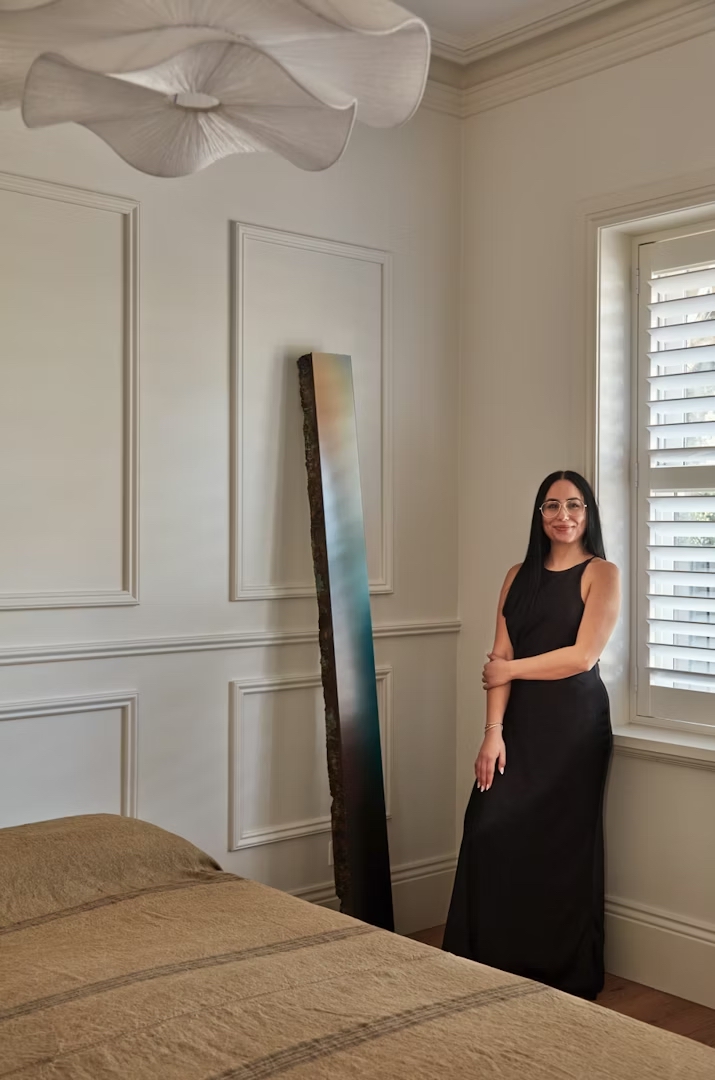
Ava Kim is an Adelaide-based architect at Grieve Gillett Architects whose work moves between built practice and urban research projects. Named as a member of Australian Design Review‘s 30UNDER30 for 2025/2026, she approaches every project with a desire to lead more sustainable outcomes and embed long-term thinking and care into the built environment.
Australian Design Review: Why did you enter the 30UNDER30 program?
Ava Kim: I entered the 30UNDER30 program as a chance to pause and reflect on my journey in the design industry so far. I was especially drawn to the program’s focus on dialogue, mentorship and learning across disciplines. For me, being part of this cohort is about learning from others and contributing to discussions that lead to positive impact.
What most excites you about the opportunities in the industry currently?
I’m most excited by the growing recognition that architecture genuinely shapes how people live, feel and connect to their surroundings. There’s a stronger appreciation for good design, not only in landmark projects, but even in smaller everyday spaces that structure daily life. I am also seeing a nice balance emerging between new technology and a renewed respect for craftsmanship and authenticity. At the same time, the urgency around environmental responsibility is clear. Designers are being called on to lead more sustainable outcomes, and I see that as an opportunity to embed long-term thinking and care into the built environment.
What has been a highlight in your career so far?
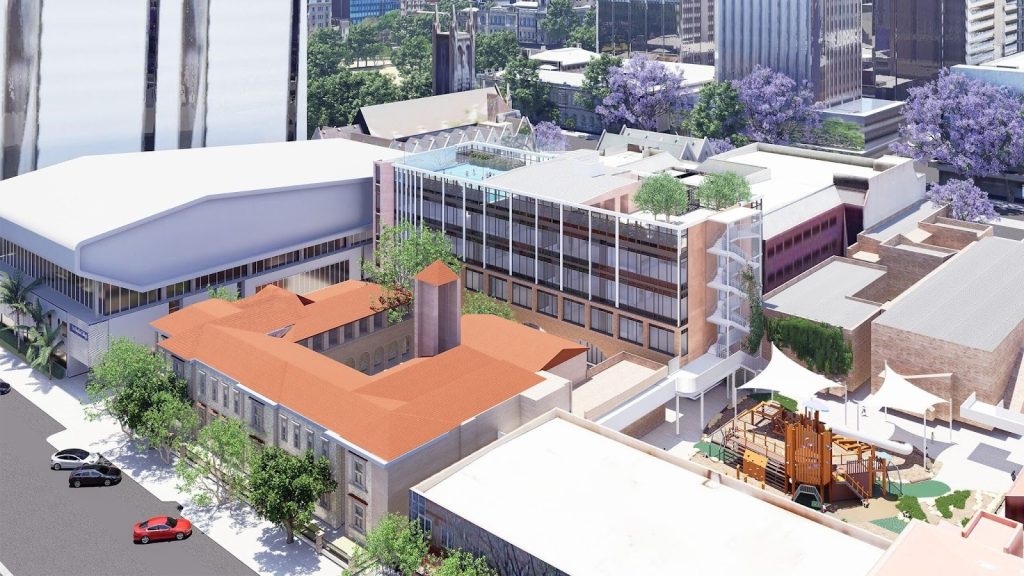
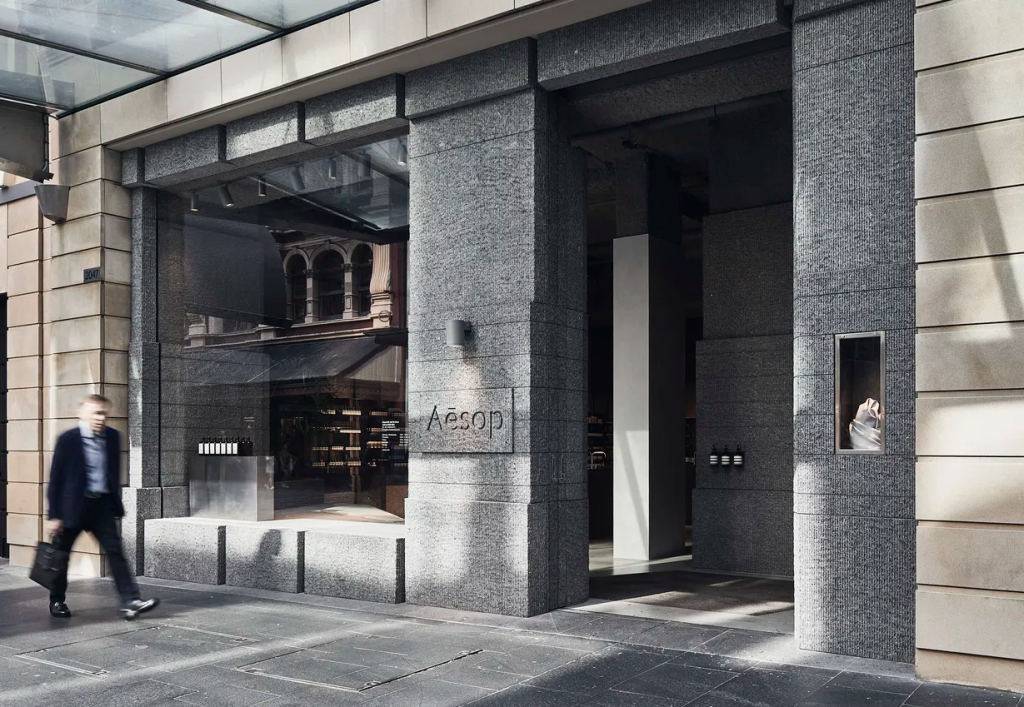
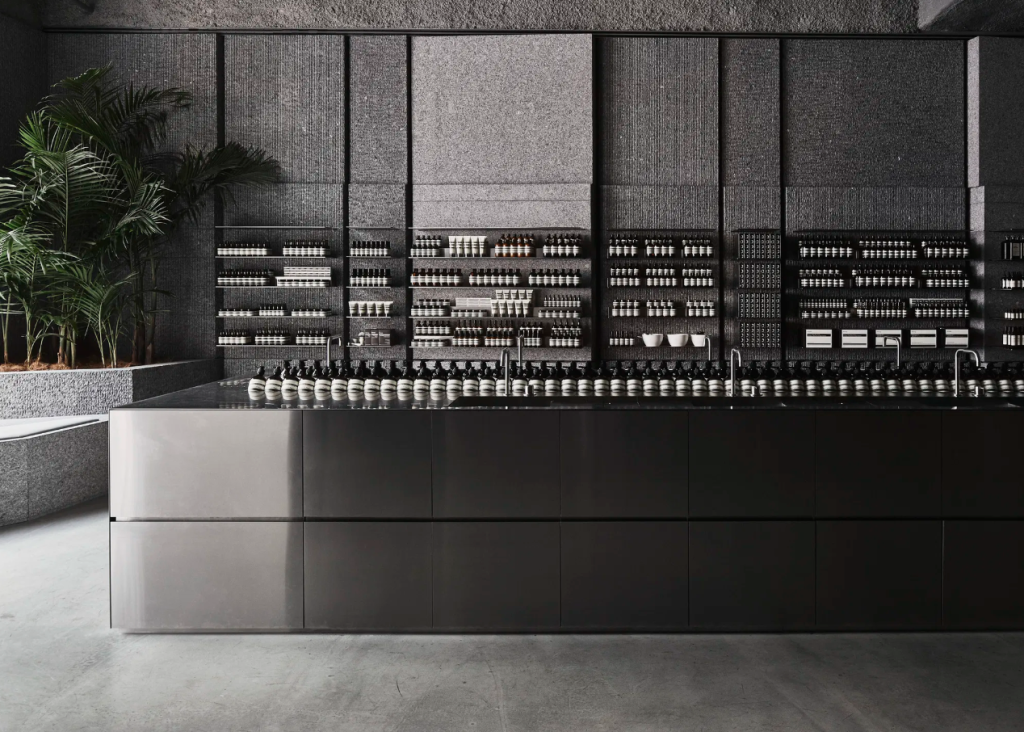
It’s hard to point to one defining moment. The highlights of my career have come through a mix of research and practice, both locally and overseas. Working on St Aloysius College with Grieve Gillett Architects and Hayball, contributing to the Aesop Pitt Street store with Snøhetta, and developing my independent ‘Sharing City’ research project have each shaped how I think about design in different but complementary ways.
St Aloysius College, a four-storey vertical primary school in the Adelaide CBD, really reinforced the importance of meaningful collaboration with a focused group of stakeholders and the broader school community. Working collaboratively to design a contemporary learning environment that responds to evolving teaching models felt like both a privilege and a real responsibility. Knowing the building will support generations of students makes it especially meaningful.
In contrast, the Aesop Pitt Street store was much more intimate and detail-focused. It was an exercise in restraint and refinement, thinking carefully about materiality, atmosphere and storytelling to create a cohesive spatial experience. It taught me how subtle interventions and disciplined detailing can shape a strong and lasting identity.
Alongside practice, my ‘Sharing City’ research project allowed me to explore how design and technology can support more collective and sustainable ways of living. It speculated on an all-in-one digital platform designed to build communities at different scales and provide a spectrum of sharing for underused resources – from everyday household items like vacuums to larger assets such as unused backyards – shifting the paradigm from ownership to access.

The project exposed me to international perspectives while still grounding my work within the local community. I believe architects and designers can think beyond buildings to shape systems and experiences that contribute to more sustainable futures.
So far, my experiences have shown me just how varied and rewarding the design industry can be. I love that the work can shift from resolving details down to the millimetre, to thinking at the scale of cities and broader systems of governance. Moving between those scales keeps things challenging and exciting but, ultimately, it all comes back to the same goal, creating something that has a positive impact on people’s lives and the environment.
What’s the movie that you’ve watched most often?
Columbus. It is set in this small Midwestern American town that just happens to have some incredible modernist architecture, including Eero Saarinen’s Irwin Union Bank and the Miller House. What I love most about the film is how quiet and understated it is. It doesn’t frame the buildings as grand, heroic icons; they just sit there in the background of conversations, long pauses and small, reflective moments. The architecture feels natural, almost incidental, yet completely present.
I’m really drawn to the way it captures the personal, almost impressionistic experience of space, how buildings can hold memory, shape relationships and create room for introspection. It shows architecture’s value isn’t just about form, but about how it’s lived in and felt every day.
Australian Design Review’s 30UNDER30 is brought to you by major sponsor Neolith, alongside partners Designer Rugs, Laufen, Krost, Miele, Signature Appliances powered by Miele and Tongue & Groove.
Australian Design Review is also grateful to our 30UNDER30 practice partners AJC Architects, BVN, Cera Stribley, COX Architecture, Genton, GroupGSA, HDR, Richards Stanisich, RIZEN Atelier, Rob Mills Architects, Rothelowman, SJB and Design by WBL for helping us foster the future of Australian design.
Learn more about ADR’s 30UNDER30 here.
You Might also Like



Related Stories

© Niche Media 2026