

30UNDER30 mentor Sally Campbell on exploring and refining your design path
30UNDER30 mentor Sally Campbell on exploring and refining your design path

Share
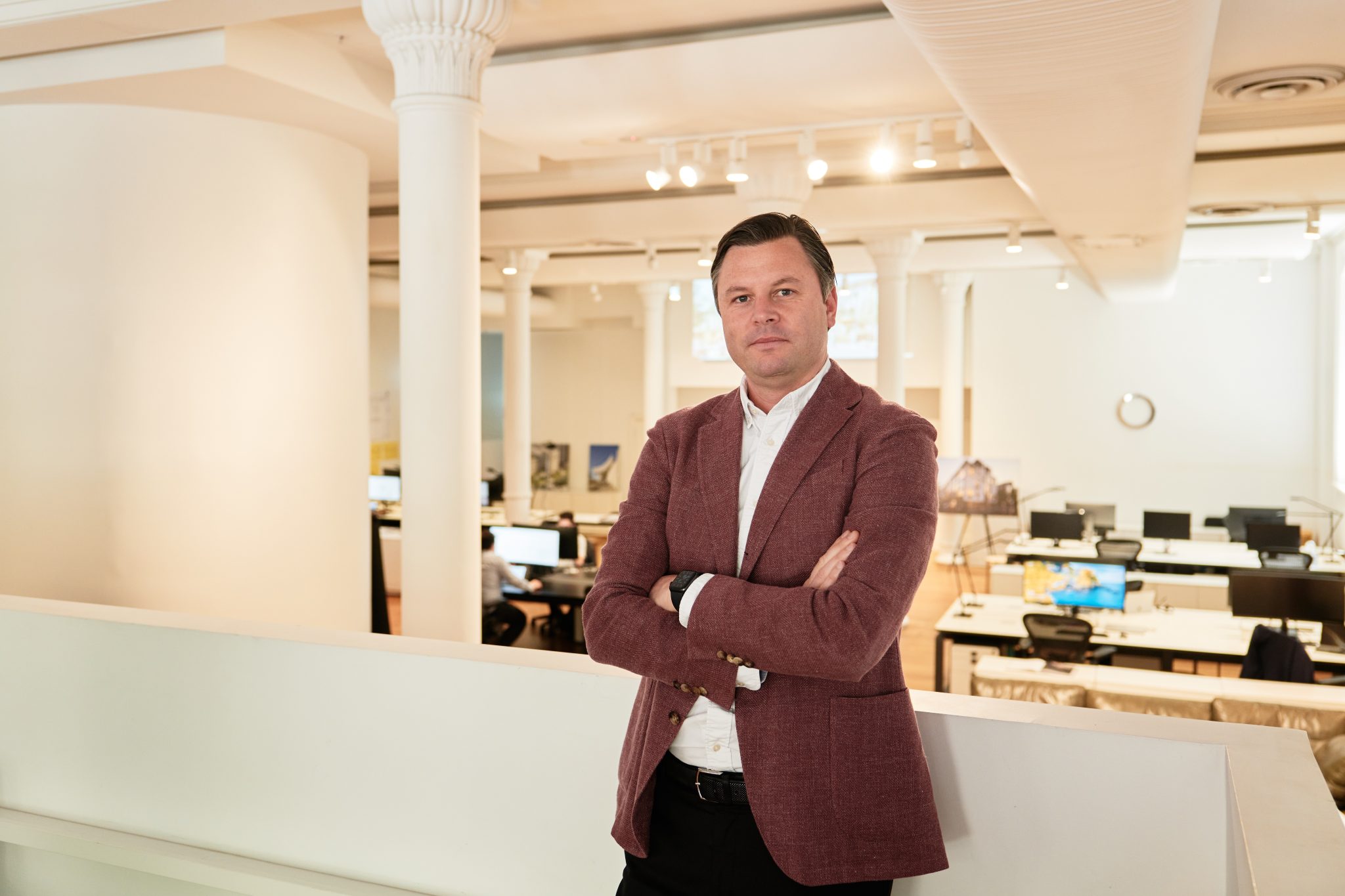
BVN principal Sally Campbell is eager to guide the next generation of designers and architects coming through Australian Design Review‘s 30UNDER30 program – encouraging them to cultivate purpose, breadth and the courage to learn through trial and error.
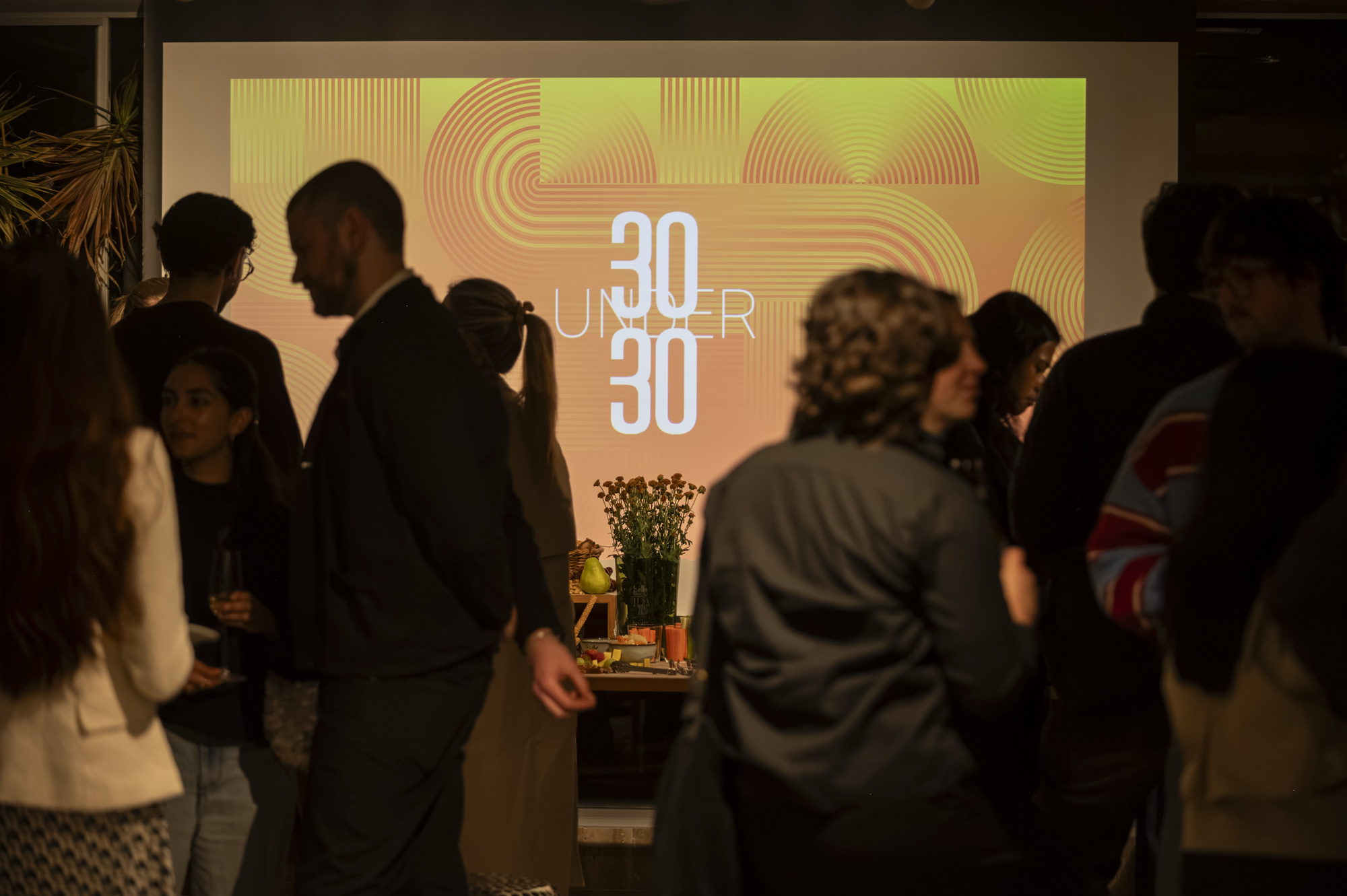
Australian Design Review (ADR)’s 30UNDER30 program provides mentorship and career development in the architecture and design industry, bringing together game-changers, industry leaders, practice founders, product manufacturers, suppliers and sponsors to highlight and empower young architects and innovators of the future.
Ahead of the selection of the 2025/26 finalists of ADR’s 30UNDER30, mentor Sally Campbell, a principal at BVN’s Sydney office, shares her career highlights, the valuable experiences that firms and projects of different scales have to offer, and why growth rarely comes from success.
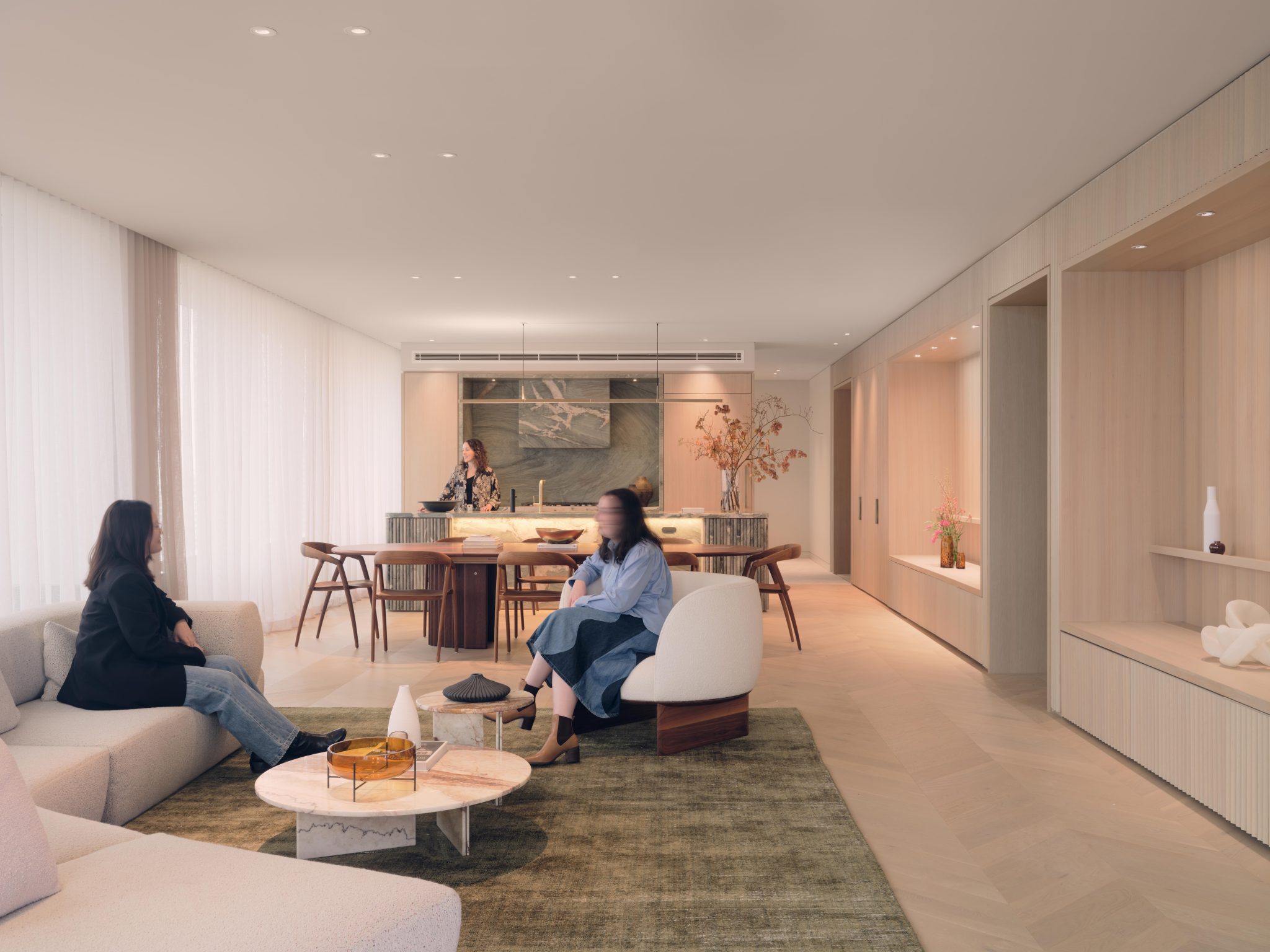
Sydney House display suite, designed by BVN. Photo: Martin Siegner.
Australian Design Review: BVN has partnered with ADR’s 30UNDER30 program since 2023. Why did your firm come on board?
Sally Campbell: Like many, we are passionate about supporting young people in our industry. 30UNDER30 is a fantastic platform for giving a voice to younger people. But also we initially specifically wanted to model female leadership for younger women and connect candidates to mentors in the industry they wouldn’t otherwise have access to. Reflecting, the program really has gone from strength to strength.
ADR: How do you feel about stepping into the role of 30UNDER30 mentor for the first time? What excites you most about getting to know the next cohort?
SC: I’m pumped. What excites me most is meeting a group of passionate, questioning and ambitious young designers who are already thinking deeply about the kind of impact they want to have. I’m looking forward to the conversations that challenge assumptions, to seeing how they interpret the world through design, and to helping them find confidence in their own voice. Programs like 30UNDER30 remind us that the future of architecture and design is bright and full of possibility!
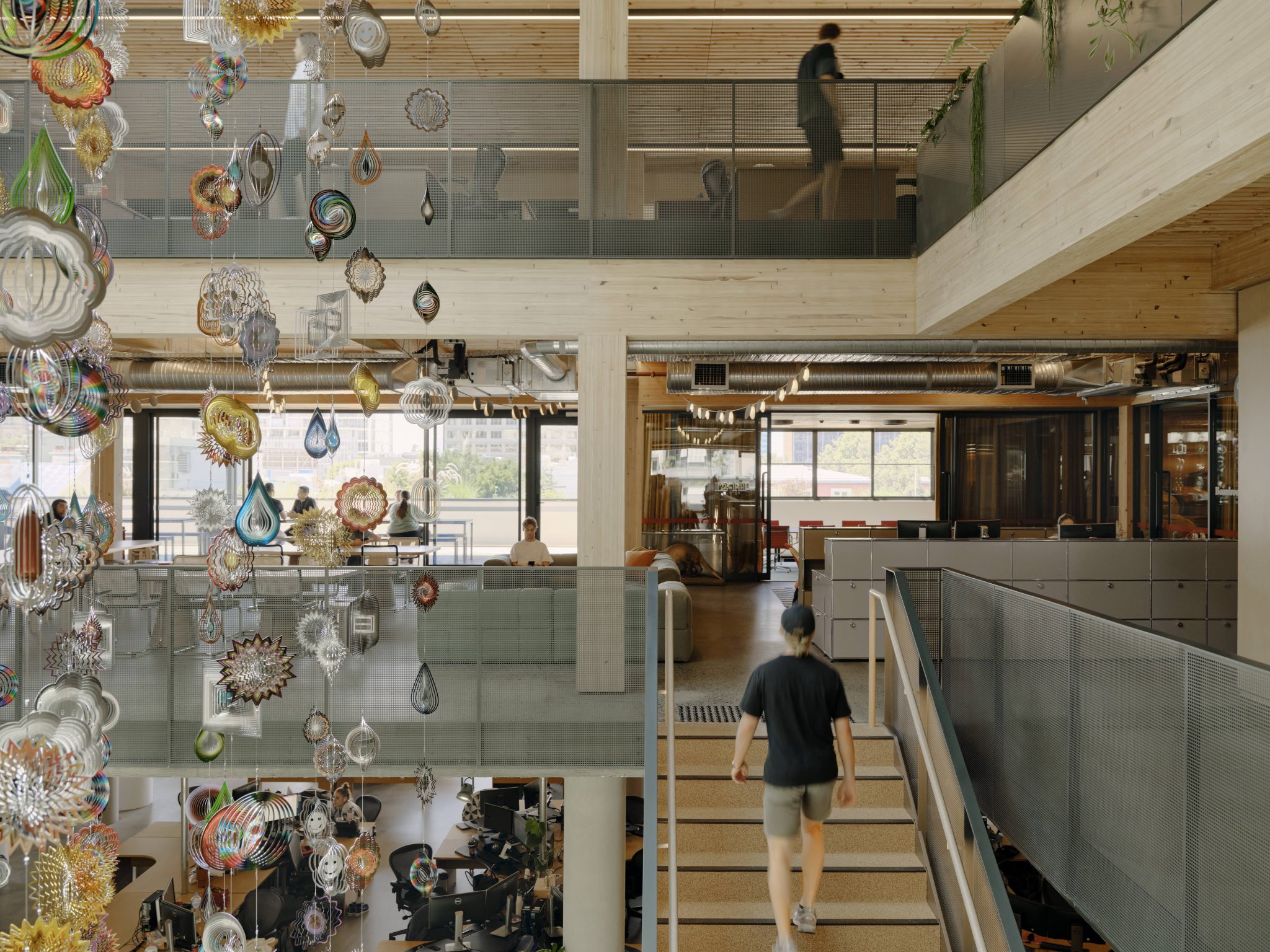
Darlinghurst workplace in Sydney, designed by BVN.
ADR: Did you have a mentor as a young interior designer starting out? What did they teach you?
SC: Yes, I was fortunate to have two mentors who shaped different stages of my career. My very first mentor taught me the fundamentals of client relationships, how to truly see things through the eyes of the customer, understand their needs and build trust. They showed me the importance of communication, of asking for the business with confidence, and of understanding the practicalities of how a design business runs.
It wasn’t until later, under another great mentor, that I really refined my approach to design itself. They encouraged me to think more deeply about the why behind every decision, challenge preconceptions and to connect concept with purpose and emotion. They stimulated me to find joy for the users in design and to break the rules.
Those lessons taught me that great design is as much about people and relationships as it is about creativity and aesthetics.
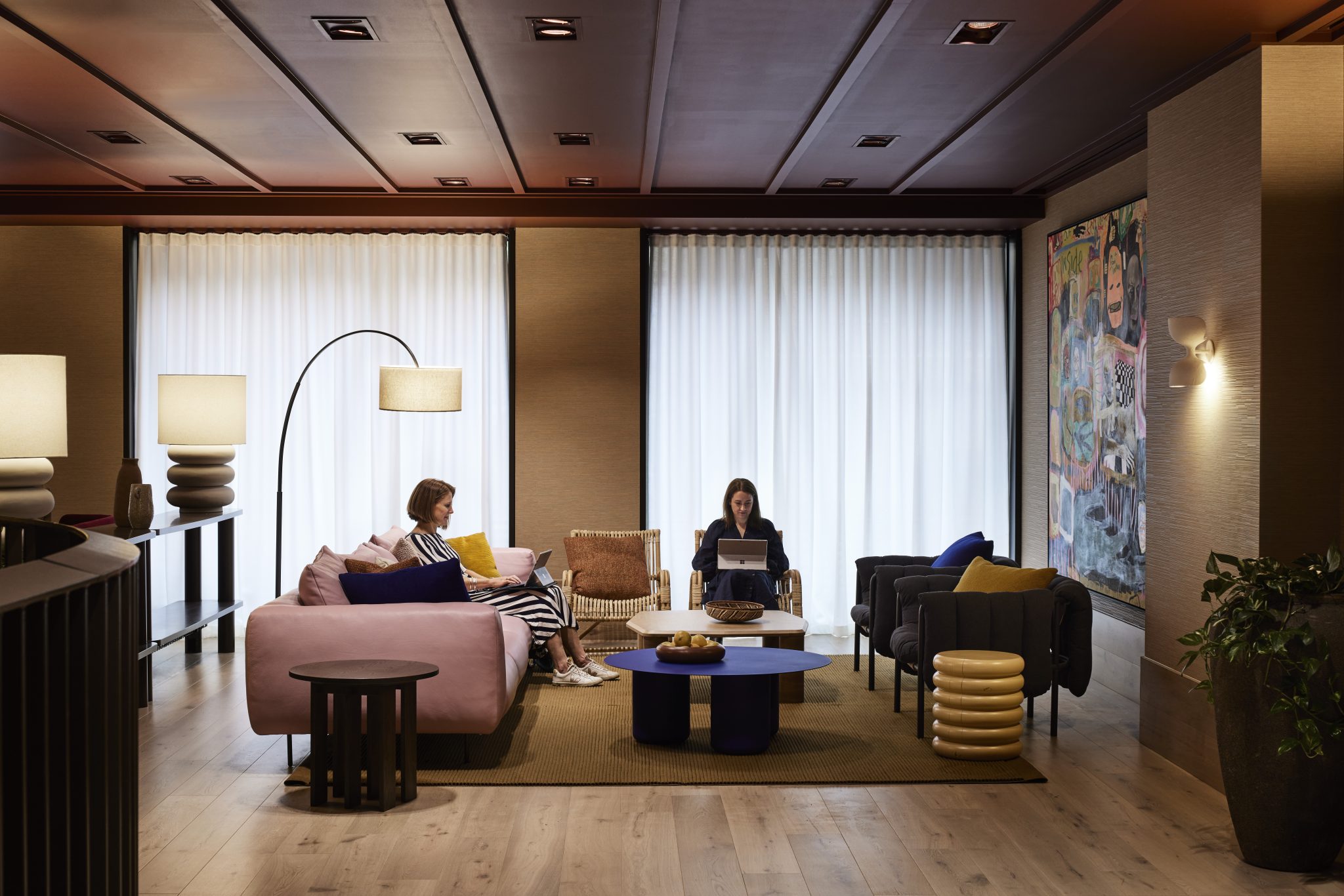
Queen & Collins in Melbourne, a workplace project designed by BVN.
ADR: With the next generation of designers coming through at your practice, do you think they have vastly different approaches to the work?
SC: Their approach feels different in a good way. The next generation of designers place a much stronger emphasis on values, purpose and impact. They’re deeply motivated by alignment with culture and ethics, by how their work connects to something bigger. Those considerations are no longer peripheral; they’re central to how they choose where to work and the kind of projects they want to be part of.
The way they work is also quite different, shaped by their education, digital fluency and access to tools that enable new forms of creativity and collaboration. Perhaps thanks to the reach of social media and global networks, they appear more connected and more informed about the world around us.
ADR: You’ve been at BVN for 10 years, with prior experience at Hassell. What are some of the benefits of growing your career at large architecture and design firms?
SC: One of the great advantages of working within large practices is the diversity of opportunities. The scale and complexity of projects you’re exposed to is extraordinary. You gain experience in delivering highly intricate projects, navigating multiple stakeholders, and understanding how design thinking translates across different disciplines.
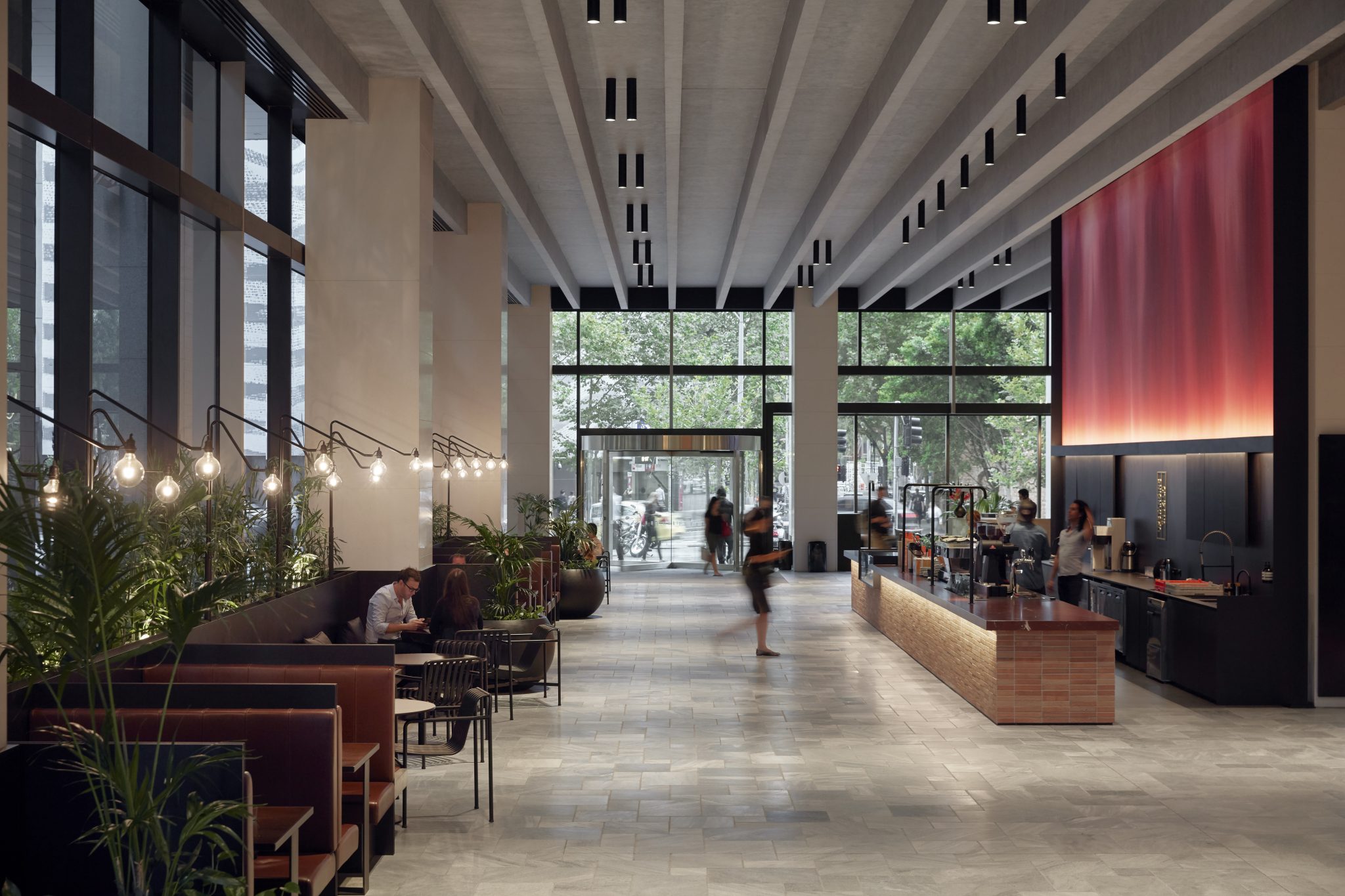
Queen & Collins.
There’s also the benefit of working alongside a broad mix of highly skilled people who each bring unique expertise. That daily exposure offers constant learning. Larger practices also have the capacity to invest in research, development, and structured learning programs, which really support growth at every stage of your career.
That said, I also believe experience in a smaller practice is incredibly valuable, but for different reasons. It often gives you a more hands-on understanding of all aspects of a project relatively quickly. I think the combination of both experiences matters. Some people thrive in the close-knit, hands-on environment of a small practice, while others find their stride within the structure and scale of a larger one. You often don’t know which is the right fit until you’ve tried both, and that exploration can be one of the most insightful parts of your career journey.
ADR: What are some projects that stand out as career highlights for you?
SC: When I reflect, my favourite projects are also the ones that have had some of the most enriching client and team experiences. Connecting the dots, ultimately when that is good, great design outcomes follow.
They’re not always the most recognised projects but they have a special place in my heart. [It’s] very hard to choose, but to name a few – The Cavern Club in Wellington, NZ, Darlinghurst workplace in Sydney and 2 Southbank in Melbourne. There are many, but these all had the most amazing clients and led to great career-defining working relationships on other projects too.
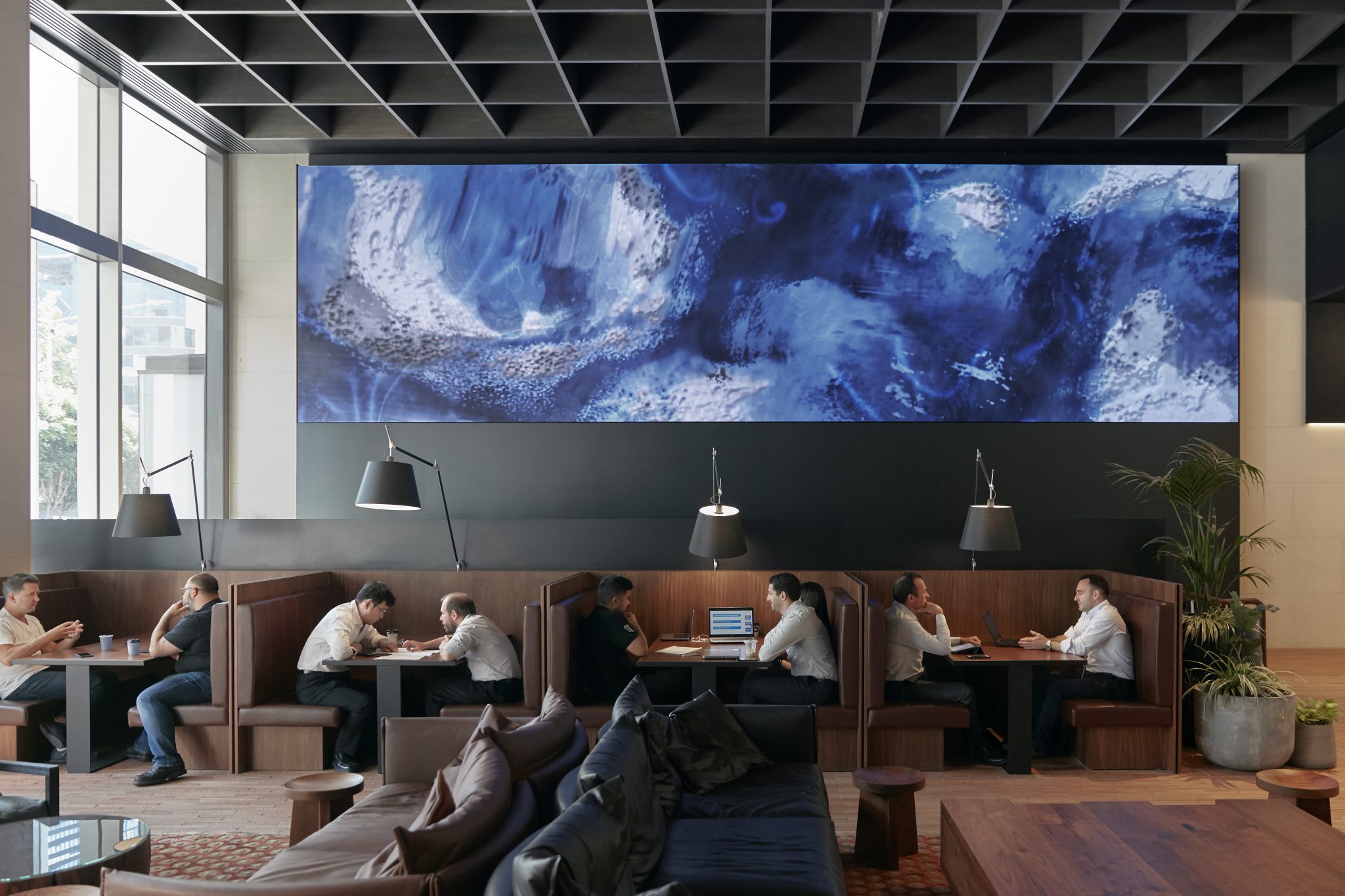
2 Southbank in Melbourne, designed by BVN.
ADR: What advice would you give to young designers aspiring to a similar path to yours?
SC: Get as much experience as you can across all phases of a project and as many different typologies as possible, especially early in your career. Every project, no matter the scale or type, teaches you something new about the design process, people and yourself.
Build resilience, and don’t be afraid to keep putting yourself out there. The more you flex your design muscle, the stronger and more confident you become. Skills build on each other – the more you learn, the more capable you feel, and that confidence grows exponentially.
Take chances when opportunities come your way. Sometimes things won’t go perfectly, but each time you back yourself and it works out, your belief in your own ability deepens and that propels your career forward.
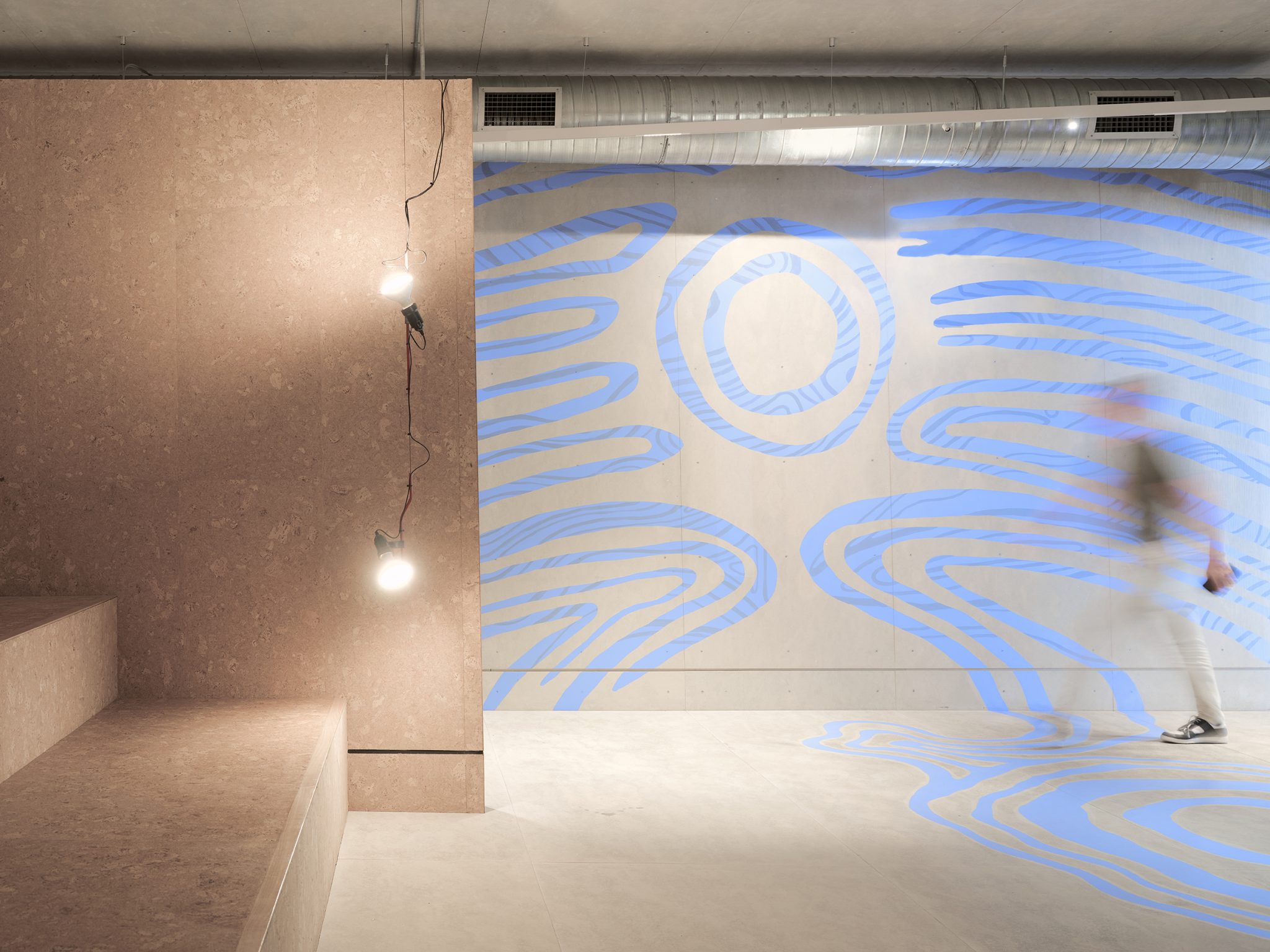
Intermain’s Sydney headquarters, designed by BVN.
ADR: When it comes to pairing off each mentor with a mentee, what are you looking for? Are there any particular qualities that you have in mind?
SC: Some people understand what a mentor-mentee relationship can be – they come in curious, ask the right questions and have an aspirational mindset. They have a view on things, are proactive and take initiative. Good energy counts.
ADR: What sort of practical tips do you think you’ll be able to offer from your experience?
SC: I hope to offer insight into navigating the complexity of design practice – balancing creative ambition with the realities of projects, teams and clients. Something I’ve learnt is that clarity of purpose matters: understanding why you’re designing something leads to better outcomes, rather than focusing only on what you’re designing. Figure out what problem you are really trying to solve through design.
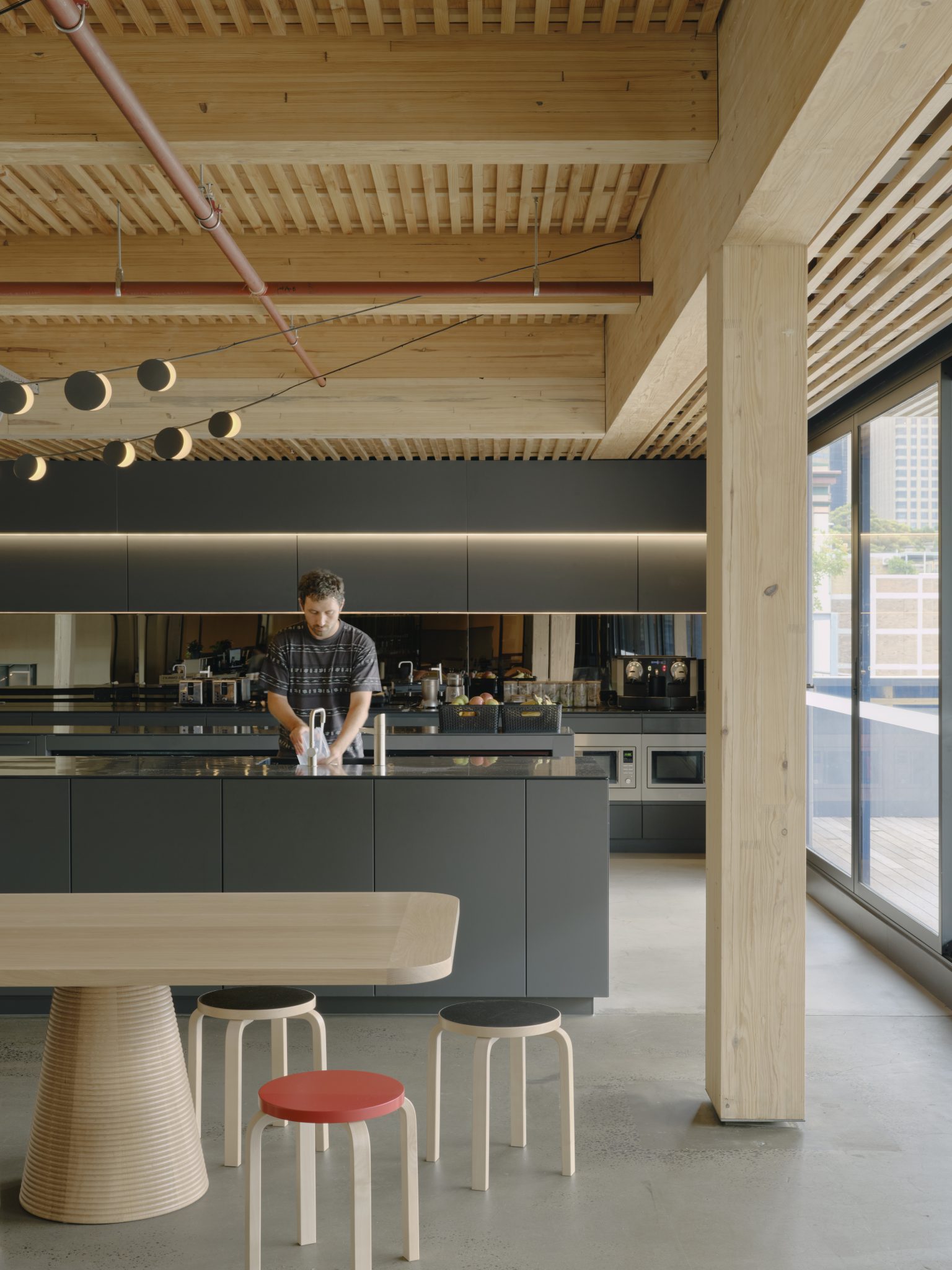
Darlinghurst workplace.
I’d also encourage younger designers to embrace collaboration and recognise the best ideas seldom come from working in isolation. They emerge through dialogue and iteration, and often what may seem like a setback in the design process can actually be the thing that makes the design stronger.
Lastly, I’d add that in my own experience, growth rarely comes from success; some of my most formative experiences have come from tough situations that didn’t go to plan!
Photography supplied.
Australian Design Review’s 30UNDER30 is brought to you by major sponsor Neolith, alongside partners Miele, Krost, Signature Appliances powered by Miele and Tongue & Groove.
Australian Design Review is also grateful to our 30UNDER30 practice partners AJC Architects, BVN, Cera Stribley, COX Architecture, Genton, GroupGSA, HDR, Richards Stanisich, RIZEN Atelier, Rob Mills Architects, Rothelowman, SJB and Design by WBL for helping us foster the future of Australian design.
You Might also Like


Related Stories

© Niche Media 2026