

Shaping the future: inside the 30UNDER30 journey

Share

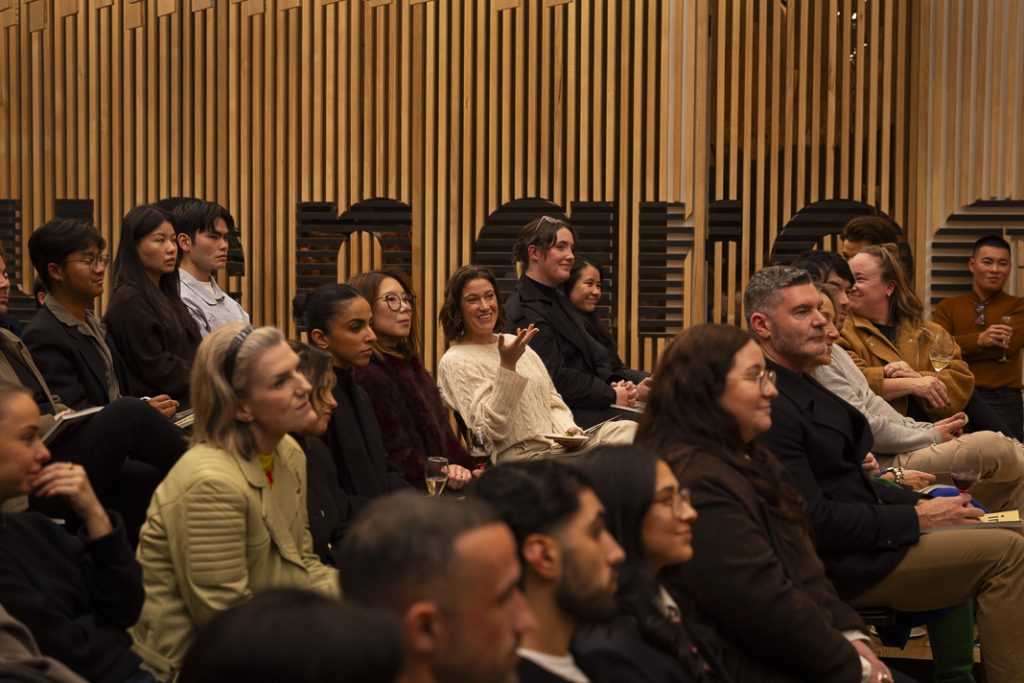
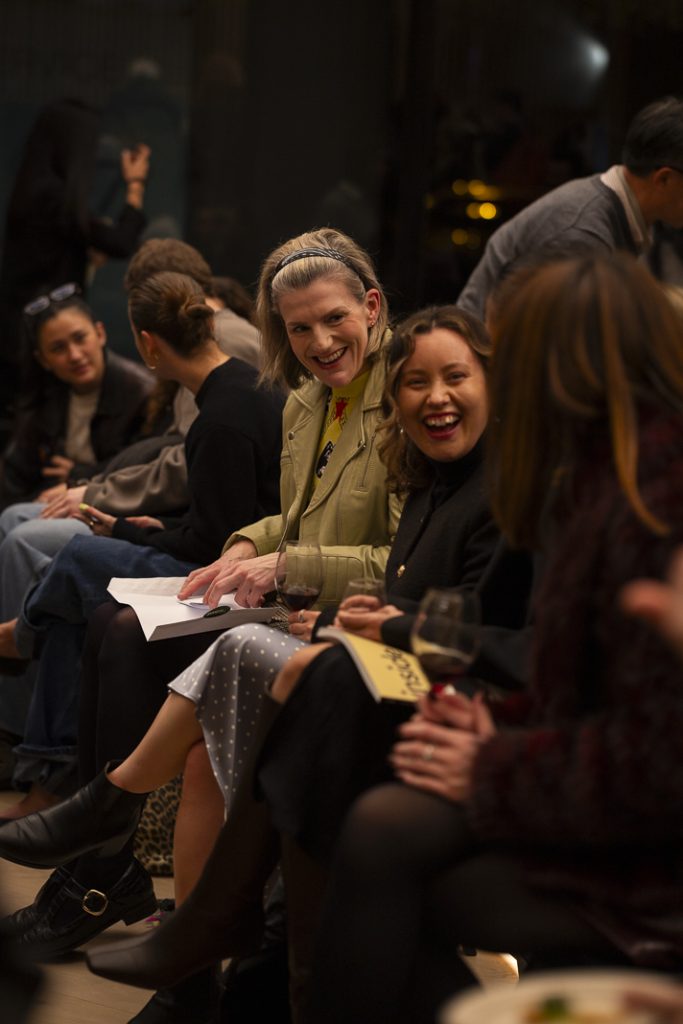
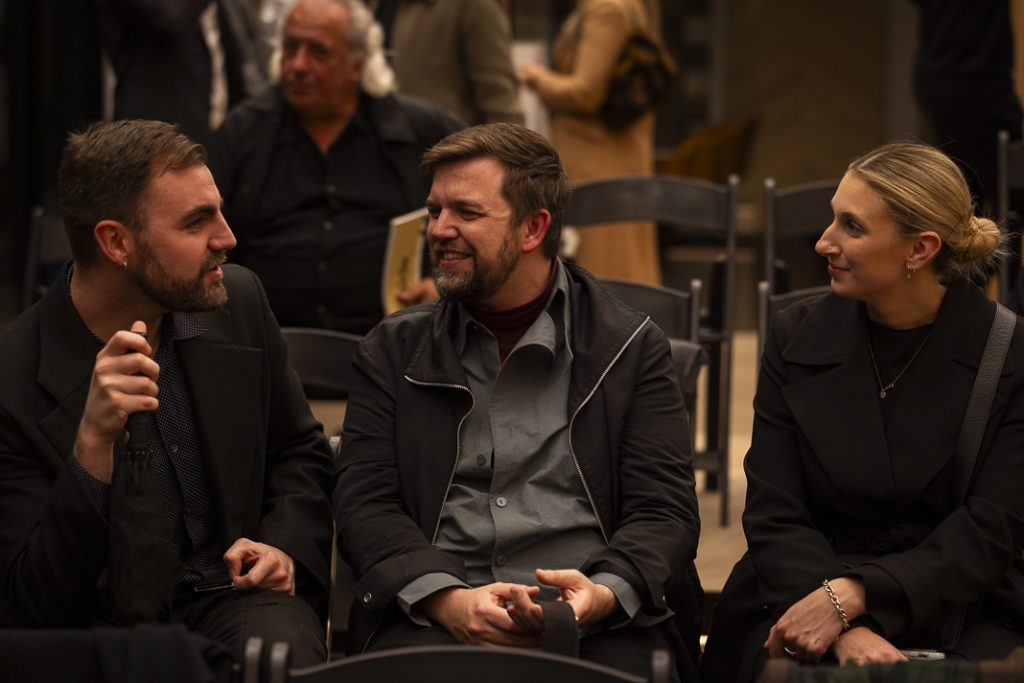
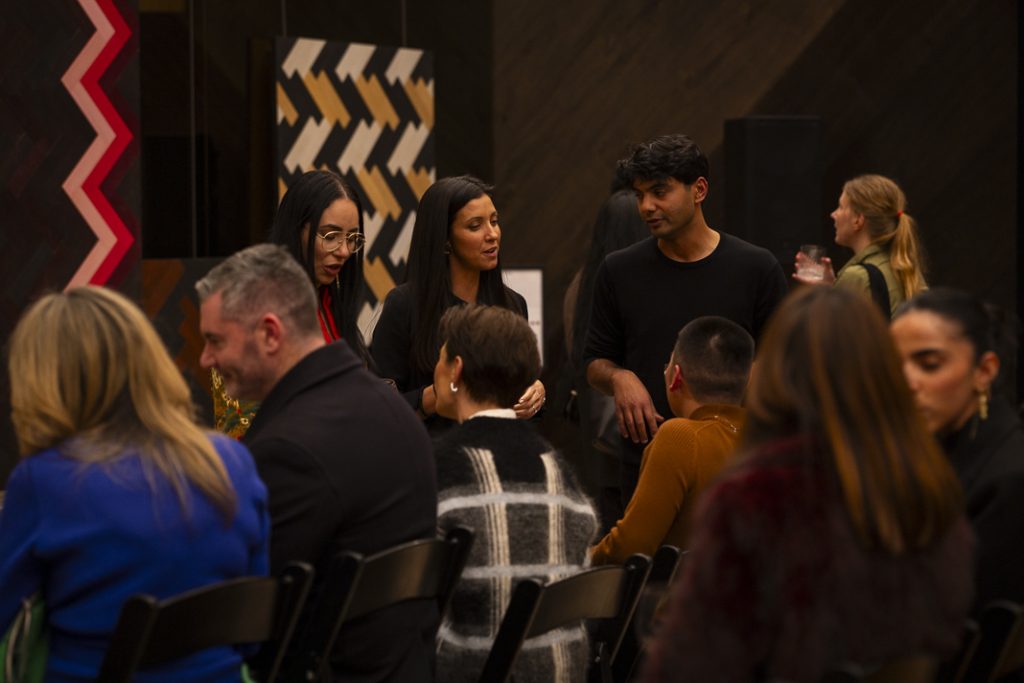
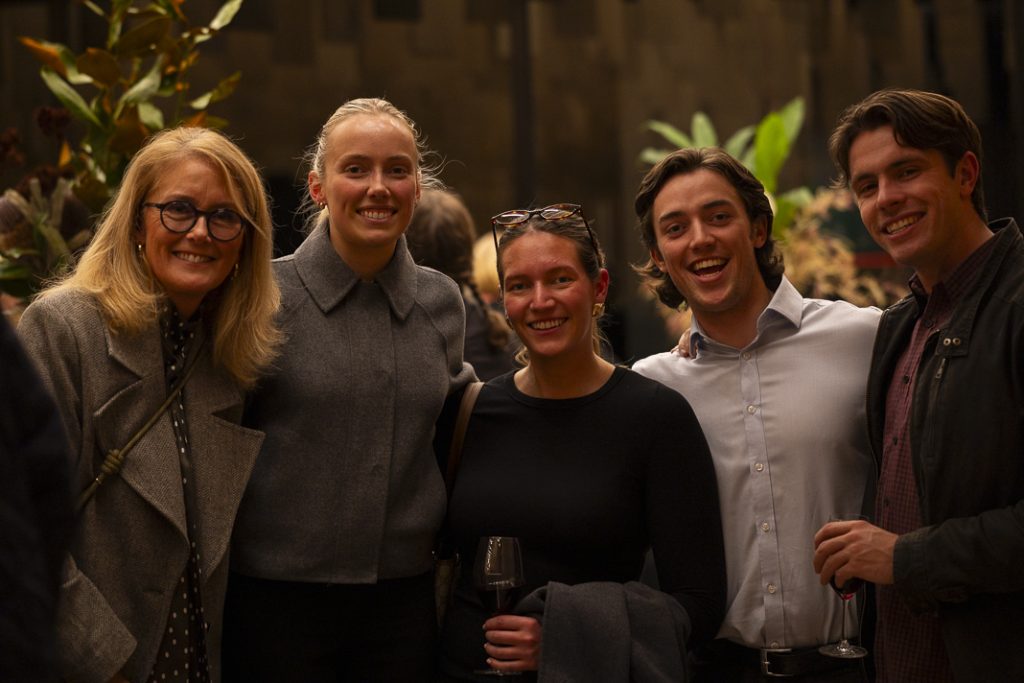
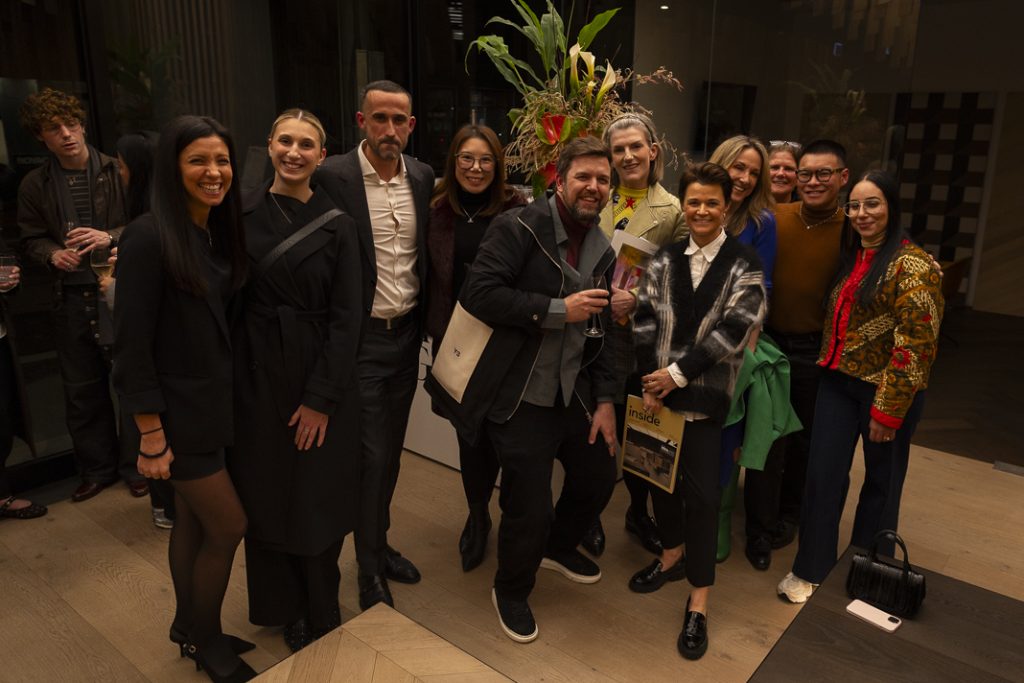
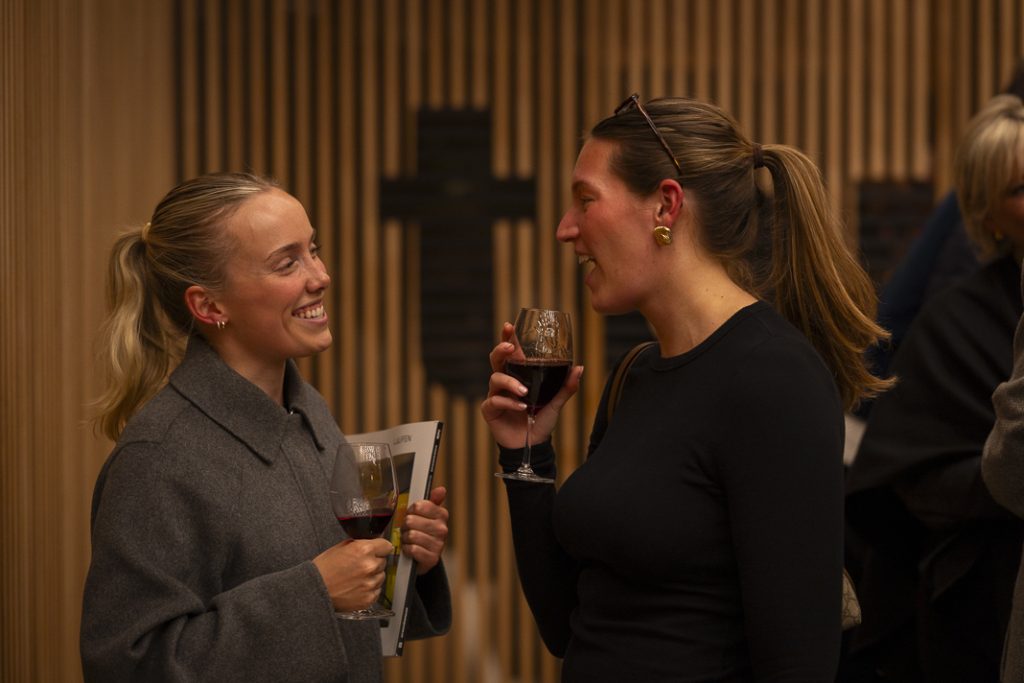
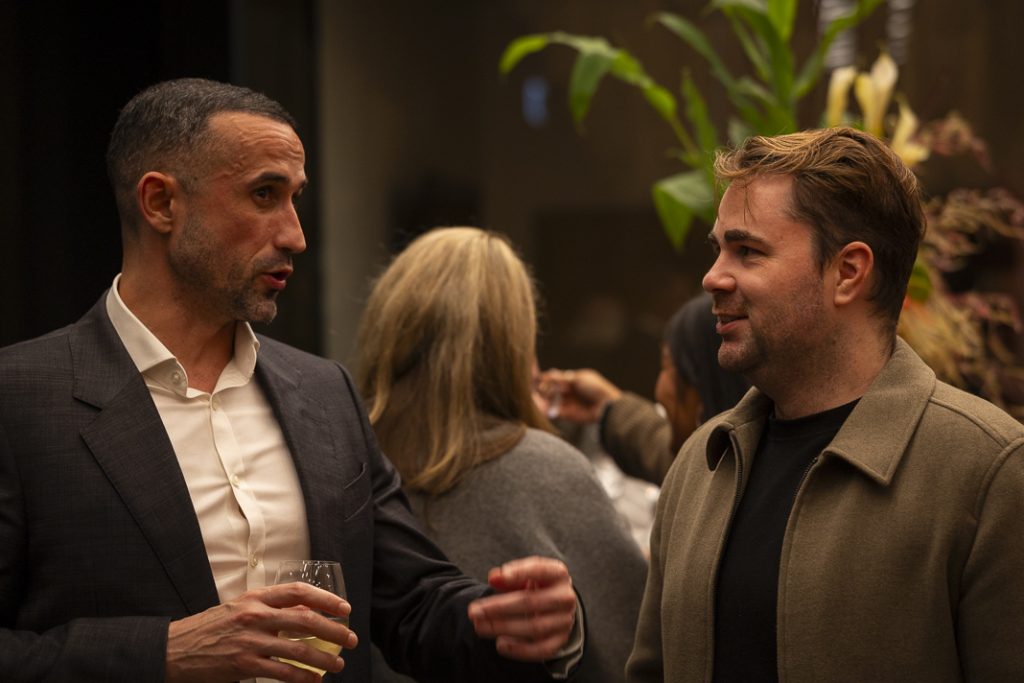
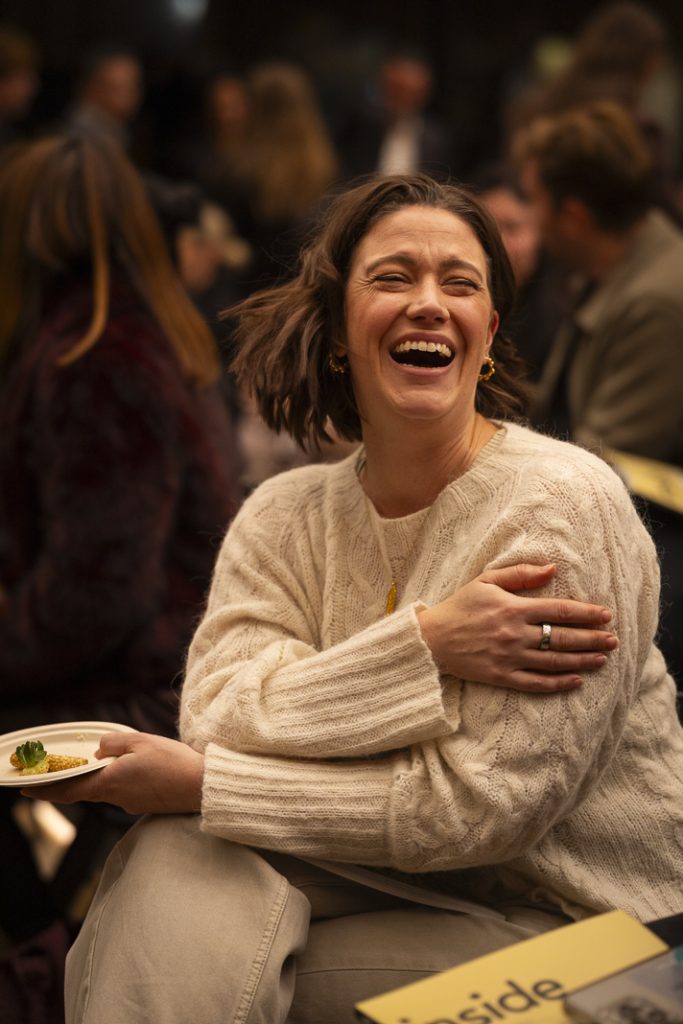
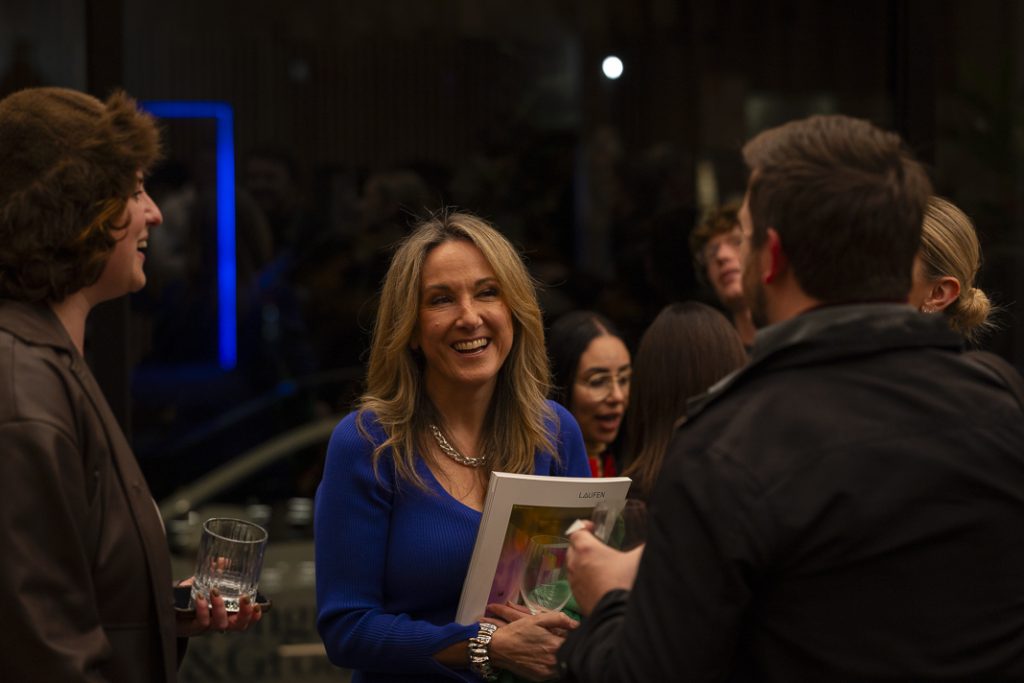
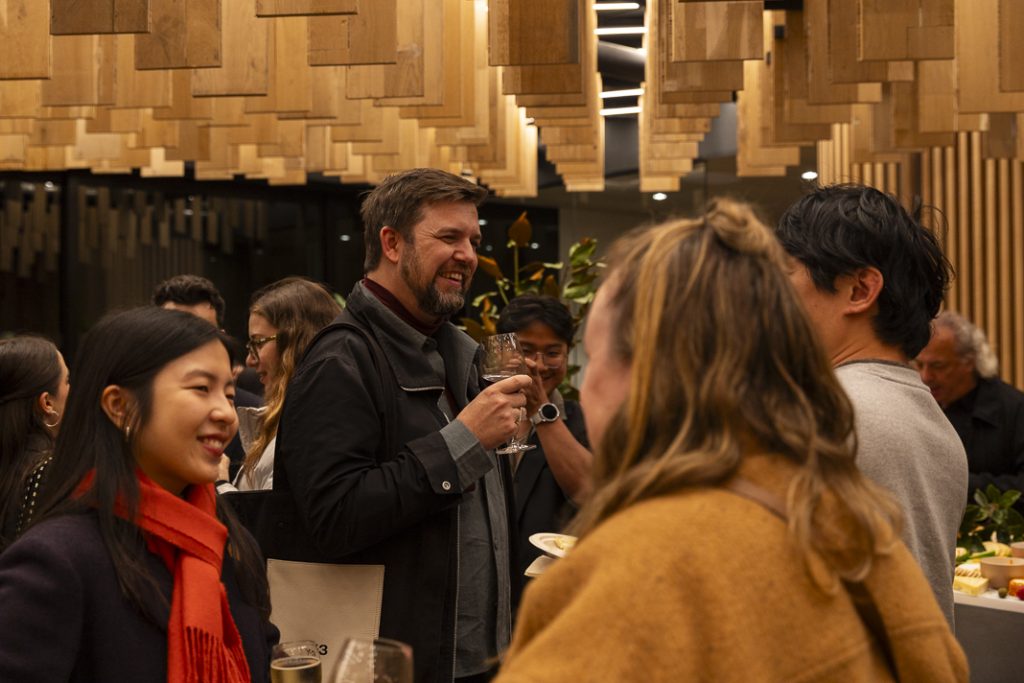
A hardy Melbourne crowd braved a wet and windy night last week to visit Tongue & Groove‘s impressive Richmond showroom. They were there to gain insights and application tips about Australian Design Review‘s 30UNDER30 program.
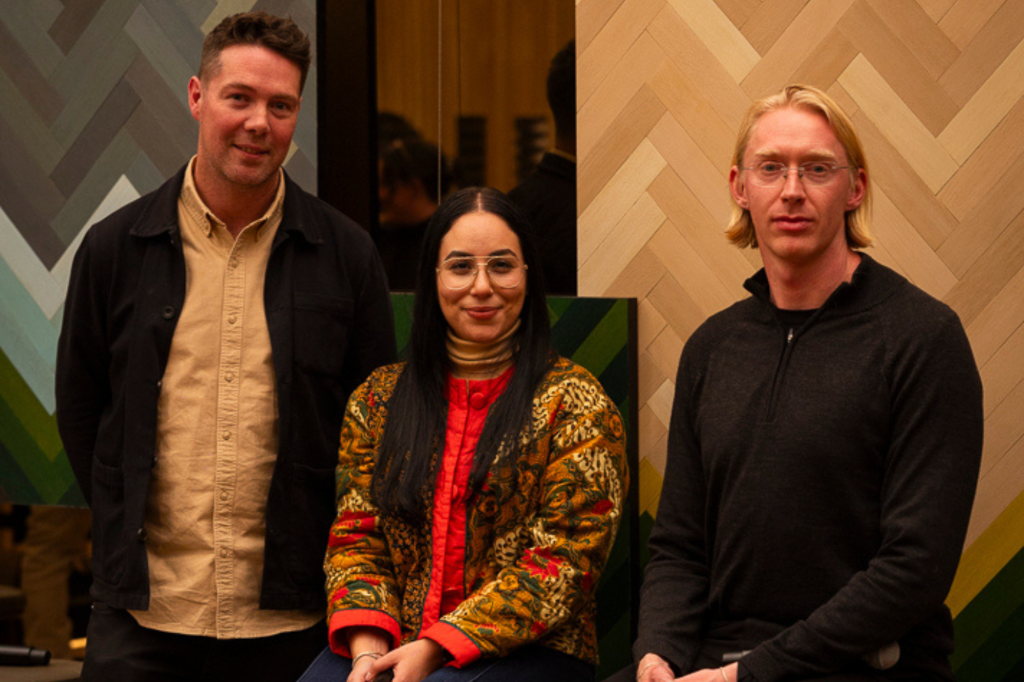
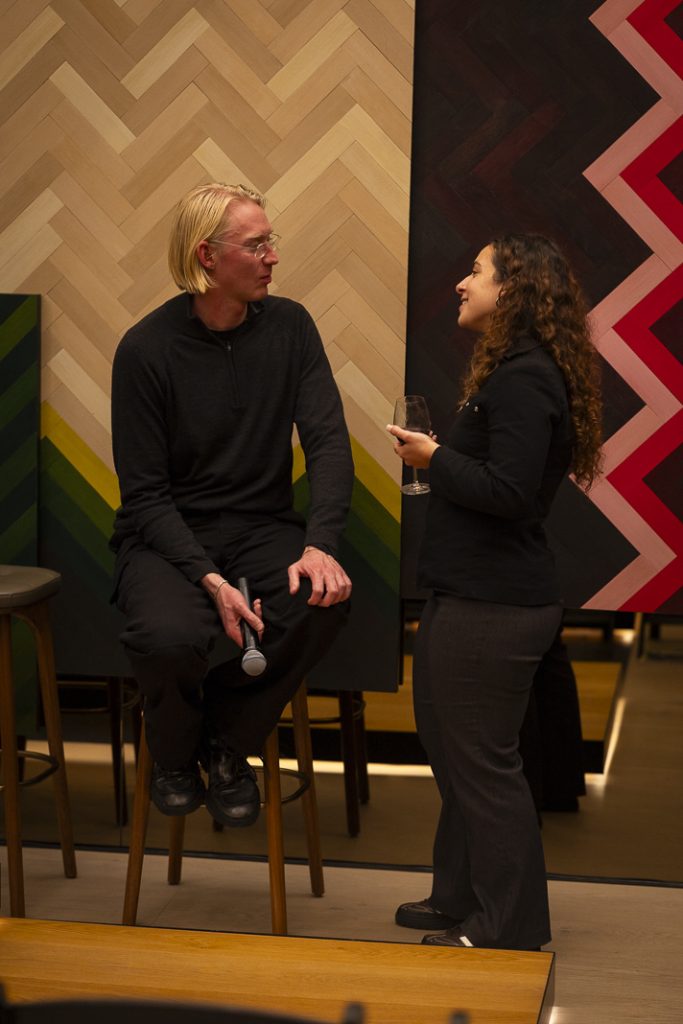
With Australian Design Review‘s managing editor, Madeleine Swain, moderating, the panel comprised Chris Stribley (principal of Cera Stribley and a 30UNDER30 mentor for 2025/26), Dalton Stewart (interdisciplinarian, including product designer, and member of the 2024/25 cohort) and Anny Benjamin (founder and creative director of Studio ab. and member of 2025/26 cohort).
The panel shared their thoughts and experiences on crafting a standout submission for the 30UNDER30 program, with advice on navigating the application process, unlocking the invaluable mentorship opportunities it offers, using the learnings from the program to elevate and expand a design career and practice, while also hearing from a mentor about what makes an applicant stand out for them and what they also gain from participating in the program.
ADR: Dalton, I’d like to start with you as you were in the 30UNDER30 cohort last year. Did you find anything challenging about filling in the application?
Dalton Stewart: To just give everyone context, I have a practice that started from visual art. I studied visual art and then that led to an interest in architecture and took me to architecture school. But my making practice transitioned from making sculpture to making objects at a domestic scale at architecture school. And then that practice took on a life of its own and became a business. So when I applied for the 30UNDER30 program, there was a broad range of work.
And I think the challenging thing for people is to think about what connects your line of thinking across different types of projects, because I’ve worked on a huge variety of project types – from buildings to exhibitions to products. And the thing I think that makes an application strong is how to articulate your position or your point of view within that.
ADR: And so how then did you decide which were the right projects to highlight?
Dalton Stewart: I think it’s also not about if the projects are good, but about what the ideas and the project are and how to articulate thinking. I think people are looking for a line of thinking that is particular and distinct, and shows a point of view. And if you can articulate what your point of view is and how that comes across through a project, that’s probably going to make your application stronger. For me, it was looking at this idea of reuse and how it is approached through different scales.
ADR: Anny, if I could come to you. You were in the cohort this year, but you had a particular journey. Can you talk a bit about how you applied and what happened?
Anny Benjamin: Yes, sure. My background for those who don’t know me is in interior design. I applied last year and, in the shortlist video, a good majority of the video was on my work. So I thought, ‘Oh my goodness, I’ve got this.’ I was so confident that I had it in last year’s cohort and then I didn’t make it to the finals. I was shattered. So then this year was my last chance to apply, because you get to a certain age and you [are no longer eligible]. And so I applied again and I did it last minute. I thought, ‘I don’t really want to go through that heartbreak again.’ But I also thought, ‘It’s not that big a deal and, you know what, I’ve got nothing to lose. Let’s apply again.’ And, yes, here we are. Got it the second time around!
ADR: Did you do anything different in your application? What do you think swung it the second time?
Anny Benjamin: Yes. A friend of mine was in the cohort the previous year. We went to school together and he kept telling me to just be authentic and I thought I was authentic the first time, but apparently not. So I tried again and I actually rewatched my video from the previous year with my sister and she said, “Why do you look like you’re laughing the whole time?” And I thought, ‘I’m not. I’m actually trying not to cry. I was freaking out!’
And when you get through the first round, it’s a portfolio submission. The second time around when I did the video submission, after I’d gone through the shortlist, there was a list of questions, but I thought, ‘You know what? I’m not even going to read the questions. I’m going to try and be authentic.’ So I did that and I just spoke from the heart. I spoke about what’s important to me as a designer, what my values are, what I’m doing with my whole experience in design and I let that lead, rather than follow the questions and the framework, which I felt was me trying to fit into a box and wasn’t really me being myself, if that makes sense.
ADR: Chris, you’re a mentor for this year’s cohort. What were you looking for in that role? Was it authenticity, as Anny suggested?
Chris Stribley: Well, it’s interesting to go into it, because I remember sitting down and starting the judging process and I probably got through 10 or 15 of them. And then I actually had to go back to the start. I was looking at them as projects, and a project is a piece, an object. And then after doing over 100 and watching the videos, you start to realise that we’re assessing more than that. We’re assessing personality.
Leadership is one [element] that came out, when you see what they’ve done. I actually wasted the day the first time, but then reevaluated how we assessed them. Obviously, we’re all in the design industry, but it leads us many different ways and we had to assess it under that criteria.
When sitting with the other judges and talking about it, we almost broke it down in categories. So there was obviously beautiful work. That was part of it. But then we also looked at engagement with the community. With a lot of people, you could see it was part of their life. It wasn’t just ‘this is my nine-to-five’. It was, ‘this is my weekend, this is this’. It was also things like their standing in their company – whether they were leaders in the sustainability section, the Pride section, all these other different sections that companies have where they were taking leads.
There are so many pieces in businesses – you don’t have to be the one delivering the ultimate design to be an incredibly valuable person for design. And that’s what came out, especially with the judges, that the applications were really rounded. Especially this year, because it was open to [different disciplines]. We had content creators, interior designers, architects, urban designers… It was open to everyone. So it was really interesting that you had to assess [the applicants] on the same plane over different fields and, yes, design was part of it, but there were also many other [elements].
What I would encourage you to do is not just show the work you’ve done for your boss. Instead, have a look at what you have done, even your uni projects, they still show your thinking and how you think as a person. I encourage you to show your personality, because it was really enlightening to see. You can see people’s personalities in those videos. They were incredibly valuable and it was such a great idea by Niche [publisher of Australian Design Review and organiser of 30UNDER30] to include that.
I think that’s something that you don’t see in other judging, in other applications, and it definitely made all the judges spend a lot more time and be a lot more serious when you feel as if you’ve met the person.
ADR: Along with the rest of the judges, there were so many applications that you had to look through – were there common pitfalls or obstacles that you noticed?
Chris Stribley: The one pitfall that often came up was, ‘I’m not seeing their work, I’m seeing what they’ve been working on‘. If we were tossing up between two people, we’d say, ‘This person, we’ve just seen what they’ve been working on, not what they’ve produced themselves. And also: ‘Well, look, this person’s doing a lot outside of their field. I feel like this is ‘their blood and soul’ versus ‘this is more of a job’.’ Those are probably the main differences.
ADR: Dalton, I’ll come back to you for a moment. When you were filling in the application form, was it daunting or was there anything you wish you’d known more about before you pressed submit?
Dalton Stewart: I don’t think it was daunting. I think the application processes are really an opportunity to do broader thinking about yourself, because it’s a moment to stop to think and then to also articulate who you are and what you’re doing.
Always there’s the fear of rejection, but that’s just the process of any application. But also if you don’t do it, you don’t know what the outcome will be. So I think the challenging thing for people is often the fear of a rejection. I would say that the process is often just as valuable, because it leads you to thinking about something else that perhaps you wouldn’t have otherwise.
I would say the same for the program. On the other side of applying, there’s a whole other way of thinking about yourself that you’ll probably come to just through engagement with the people who are in the program and mentors. I think the challenging part is also bringing together your work. When we did the program, a lot of people had their own businesses and, for me coming into it, that was quite intimidating, but I think you don’t have to have it all figured out.
It’s an opportunity to think, ‘What is my ambition?’ And then hopefully the program will bring you closer to those answers. You don’t have to have the answers, but you have to think about who it is you are in a really particular way and then what makes that unique to you? Because even when you work in teams of people, what is it that you bring to that team that’s different? How do you talk about that through the work or through projects that you contributed to?
ADR: After the creative retreat, what sort of practical effect did it have on your career, Dalton? Have you noticed many changes? Did it have any lasting effects?
Dalton Stewart: I think it gives language to things that I was already doing, such as strategic thinking or branding. Those words in some sense feel weird, but they’re actually really important to have good practice and to position yourself or to have a sustainable career. It was also good to see a broad range of young people who had businesses and think, ‘OK, this is probably available to me if I want to do that.’
It was something that I wanted, but didn’t feel that it would be on the horizon in the next five years. But, through the mentorship, a lot of my questions or concerns have been answered. And I think you’ve got to come with a huge amount of curiosity and the ability to also know what you want, because it is a wonderful networking opportunity, but those opportunities only exist when you seek them out.
The mentors are obviously all wonderful practitioners who have a wealth of knowledge, but you can only access that through an understanding of what it is you want to learn from them. My first mentor, she’s just been so wonderful to talk to, not just about practice, but also about her experience and having a business and how that evolved, and it no longer feels like this impossible thing to work towards.
ADR: Anny, obviously you’ve done the program much more recently. You just came back from the Bali creative retreat in May. So I can’t ask you what effect it’s had on your career since then, but what did you take out of that experience? What was it like for you?
Anny Benjamin: It was not that long ago, but for me, some of the key takeaways were the connections that I made with people. I think I’ve made some friends that I’ll probably have with me for the rest of my life and people who were in the same boat as me, experiencing the same things that I’m experiencing, where they have their own practice or want to have their own practice. It’s really nice to connect with those people for sure.
ADR: And Chris, let’s talk a bit more about mentorship. When you signed up to be a mentor, what were you expecting? What are you hoping to get out of it for yourself?
Chris Stribley: It’s a good question. When we signed up, I’ll be honest, I thought, ‘You know what, this is a great opportunity to see who’s out there, what everyone else is doing, just see the talent that exists in the industry.’ After coming back from the retreat, it’s probably made it pretty hard to do job interviews because I’ve seen such impressive people and my expectations are now very high!
But from the mentorship, the one thing that I found when we were there was I came back with so much energy after the trip – wanting to change things and push boundaries and almost the infectious energy from the cohort came across as well. One thing I was looking forward to was actually chatting to the other mentors, other business owners. There was Ross Gardam, who we all know. I probably went just to fanboy him for a bit!
And then we had [COX Architecture’s] Brooke [Lloyd] and [BVN’s] Sally [Campbell] both from very large companies. So I was actually hoping to pick their brains a little bit on what that’s like. There was a bit of bonding around that, but what I got out of it probably wasn’t that. It was more that energy, that excitement. I’m looking forward to stepping into that mentorship role. We haven’t really done much of that yet, because we only finished a month ago, but I’m hoping that constant contact with the cohort keeps that energy and invigoration alive.
ADR: In today’s climate, what do you think will be the most important piece of advice you’ll be able to give the cohort when you do take on the mentor role?
Chris Stribley: It’s a reoccurring theme in today’s environment and one thing that the retreat helped or does build is being a human. So that constant contact, being there for four days, you were talking to everyone, there was a WhatsApp group. It was probably one of the least active WhatsApp groups for a trip like that I’ve ever seen, because everyone was always around. ‘We’ll meet you here, we’ll do that.’ People were just getting on. It was reinforced, I think, from every speaker in the cohort – that you need these groups to talk to people, learn from people. I think it’s a great thing that all the sponsors that get behind it understand that value of talking, of helping each other out, being a community.
And I think that’s something that came through – that idea that you can pick up the phone and call someone. It’s not just carried out in an email; the continuing line was ‘pick up the phone, talk to us’. I don’t know how to say this politely, but if I need a favour, I’m going to pick up the phone and ask for a favour. Last year we bunged up a job badly and we needed help big time. And Greg Dorel [regional sales manager, Miele] came through with the goods. I picked up the phone and I begged Greg to fix this problem. And they came to the party somehow. But that’s probably because of the months and months and years before that we’ve worked with Miele and chatted to them.
ADR: It is a program where the sponsors are very integrated, isn’t it? Because they’re [in Bali] too. So it’s about building those relationships with the mentors, but also with the cohort during this early period so they actually get to know people at an early stage in their careers.
Chris Stribley: I think there’s a fear from the cohort to call us or talk to people. I always try to instill into the staff in our office that it’s actually really flattering to be called. I often say to our guys, ‘Call a builder. You don’t understand this, call the builder and talk to them about it.’ It’s really flattering and, when you’re under 30, you’ve got that opportunity. I’m not telling our 45-year-old guys to pick up the phone and ask what a lintel is, but I’m happy to tell our under 30s.
I think if you’re applying, you have this great opportunity to explore knowledge and grow in the construction industry, and leapfrog everyone ahead of you and form relationships if you’ve got the ability to do that.
ADR: Anny, you’ve already got your own business, and you haven’t been assigned to your mentor yet, but when you are, what do you hope to get out of that relationship? What sort of questions will you be asking?
Anny Benjamin: For me, I feel like it’s one thing to know design, but we’re not taught a lot of the business stuff. I found my feet in some ways, but I feel like there’s a lot more that I can learn. I would love to learn more about the business side of things, the growth side. It’s hard as well, because I’m just a one-man show. So, yes, wanting to expand my business knowledge and expand the studio would be the next steps for me. That’s really what I’m hoping to gain out of this.
ADR: This is a question for all of you – how can emerging designers and architects and product designers make the most of the networking opportunities and the people that they’ve met during the program after it’s concluded?
Chris Stribley: I’d say to catch up, to keep in contact, to catch up with the person that you connected with, grab a coffee, have dinner, come to [panel discussions and events] and reconnect with everyone to keep those relationships alive, I think is really important.
ADR: What do you think, Dalton?
Dalton Stewart: Yes, I think it’s about a continuity of that relationship. You don’t have to have that relationship with everybody, but the mentor relationship doesn’t end after the program. And there are people who you’ll meet who may become lifelong friends. In terms of your mentor, as you were saying before, you could call them for advice when you’re in a panic and I’ve done that. And that person can give you advice in five minutes, but that is also required with any relationship, you have to maintain it and I think it looks different for everyone. But I think these events are also important to bring that community together. And same with IDEA [Interior Design Excellence Awards]. When I went last year, I felt this huge sense of camaraderie and celebration for what the design industry was and it felt really good to be there.
It’s the same with the 30UNDER30 program. I left feeling really energised.
ADR: Anything to add to that?
Dalton Stewart: Oh, I’d say it’s easy to organise a group catch-up. Some of the groups, some of the people that mentored me back in the day… and often it was a Friday afternoon they would say, ‘What are you doing?’ And we’d catch up as a group, five or six of us and it was just a really good way to stay in touch.
It’s little things like that. We do a Wednesday Waffle where we try and make sure everyone touches base once a fortnight on this group. I think it’s good to stay on top of it because you have to have friends to ask questions. And it’s really important in our industry because it is getting more complex every single day and there are more problems and more issues and there’ll be more people that have faced them. So don’t discount anyone.
The discussion then opened up to take questions from the audience.
Audience: How do you match mentors and designers?
ADR: The cohort provide their mentor preferences and then they are allocated based on the mentors’ availabilities. The members of the cohort also swap around to spend time with different mentors.
Audience: What is the make-up of the creative retreat?
ADR: It’s packed, but there’s time to actually have downtime and get in the pool and go dancing or walk along the beach. But then there are the icebreaker sessions, panel discussions, round tables, presentations.
Chris Stribley: There are guest speakers, which are really good, I would say. I took a lot out of those guest speakers, and I’ve caught up with one of them already since being back and plan on getting the wellness coach into our office in the next 12 months as well.
Dalton Stewart: You learn a lot about your own energy and I think something that we don’t talk about enough is how to sustain practice. Outside of this idea of environmental sustainability, actually how to sustain your own body and energy over a long period of time. It’s something that I haven’t really had the skills to think about.
Chris Stribley: I felt like the whole thing was a bit of a circuit breaker for a lot of people that were in the 30UNDER30. I felt a lot of people were working out their next steps. I started a business when I was 29. So at that point I was thinking: do I settle in, take the golden handcuffs, work with someone in a company? Do I start my business? So I felt there was a lot of exploring of what your future paths were. And that was a lot of what was actually programmed by Niche too. I mean, when you turn 30 in architecture, you’ve done your registration, you’ve done this, you get to this point of: what’s next?
Audience: Having reached that pinnacle with being in the 30UNDER30, what’s next or do you have big goals and ambitions plans?
Dalton Stewart: Well, that is a good question. I think it’s like a rolling thing. I think the 30UNDER30 program gives you a new way of thinking about yourself in the world. I definitely developed a lot more confidence in terms of what I’m able to do. I never really thought that I’d start a business with a friend of mine two years ago, but that’s happening and we have our first architecture project. If you told me that as a graduate two years ago, I would probably have backflipped down the street! But also I’ve got the networks or the people to feel like the things that are challenging or were barriers are no longer barriers, such as when someone tries to negotiate a fee proposal and, as a 28-year-old, how do you do that?
Anny Benjamin: Another thing that I thought was really cool – realising the challenges I face as a small business owner, someone like Chris, who’s obviously quite established, also faces similar or the same challenges. I thought that was really interesting.
Similarly, it does make you feel more confident. It’s not a ‘me’ thing. It’s an industry thing throughout. I think a lot of things were quite universal. Everybody there felt in some ways like an imposter, but then through the program, everybody felt, ‘Oh, we’re actually all just doing something and we’re working it out.’
A lot of the anxiety people had around having a business was actually shared, as in people really didn’t know how to make it sustainable, just what the next project would be. And so it felt good that everybody feels like that and you are there for a reason. And so I think it’s about the skill gap or the gap in between what you don’t know and what you know and how an opportunity can fill that. And that’s what’s happened for me. So now, I’m excited to work on more ambitious projects.
Entries for the 2025/2026 30UNDER30 program open in September. Bring your authenticity!
For more information about ADR’s 30UNDER30 partner Tongue & Groove.
Follow @ausdesignreview and @adr30under30 and subscribe to ADR’s newsletter to stay up-to-date with the program.
Photography by Scott Gick.

© Niche Media 2026